
Bitcoin Tumbles to $62,000 as Hawkish Fed Erases U.S.-Iran Peace Deal Gains
Key Facts
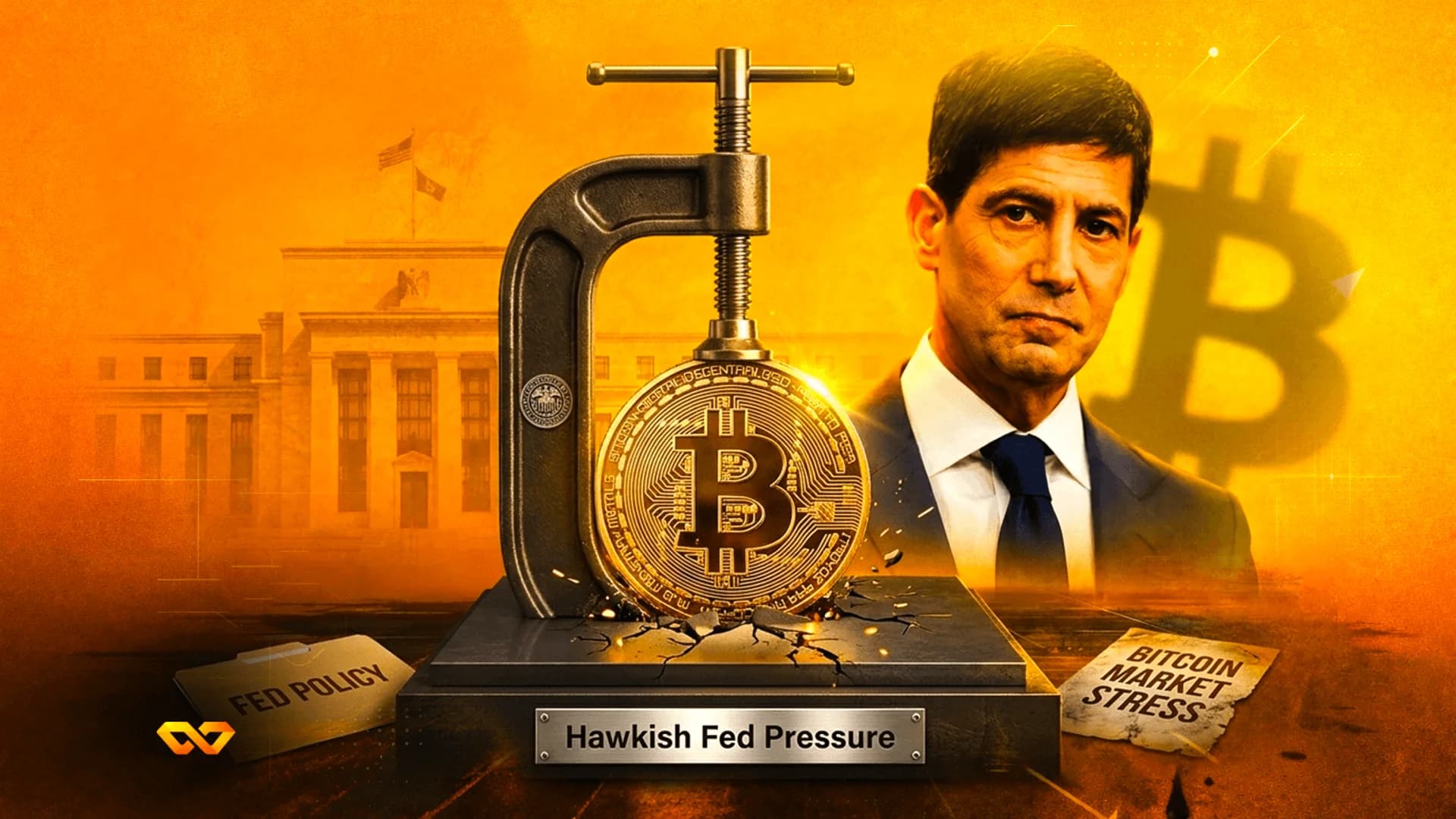
In a move reflecting the dominance of monetary policy over market sentiment, cryptocurrencies extended their decline as new Fed Chair Kevin Warsh maintained a hawkish stance. According to reports, Bitcoin's price tumbled 5% to reach the $62,000 level, hitting an intraday low of $62,236. This recent decline has effectively erased all gains made following the formal announcement of the peace accord between the U.S. and Iran, signaling that rate concerns are outweighing geopolitical tailwinds.
This selling pressure is intensified by rising Treasury yields following troubling inflation data, with market data showing the Producer Price Index (PPI) rising 1.1% in June, beating the 0.7% forecast. Peer assets like Ethereum have faced similar headwinds per market data, as investors price in the reputation of Warsh as an inflation hawk. Analysts suggest that the reversal of the peace-deal rally indicates a fundamental shift toward risk-aversion in the face of prolonged restrictive policy.
At the close of June 17, 2026, Bitcoin was trading at $62,236, significantly below its previous support levels. Looking ahead, market participants should monitor the Michigan Consumer Sentiment and Inflation Expectations data in the economic calendar to gauge the potential for further downside. The immediate focus has now shifted to the $60,000 psychological support level as the hawkish rhetoric from the Federal Reserve continues to dampen crypto demand.