
Trump and G7 Leaders Pledge Tougher Sanctions on Russian Energy Sector
Key Facts
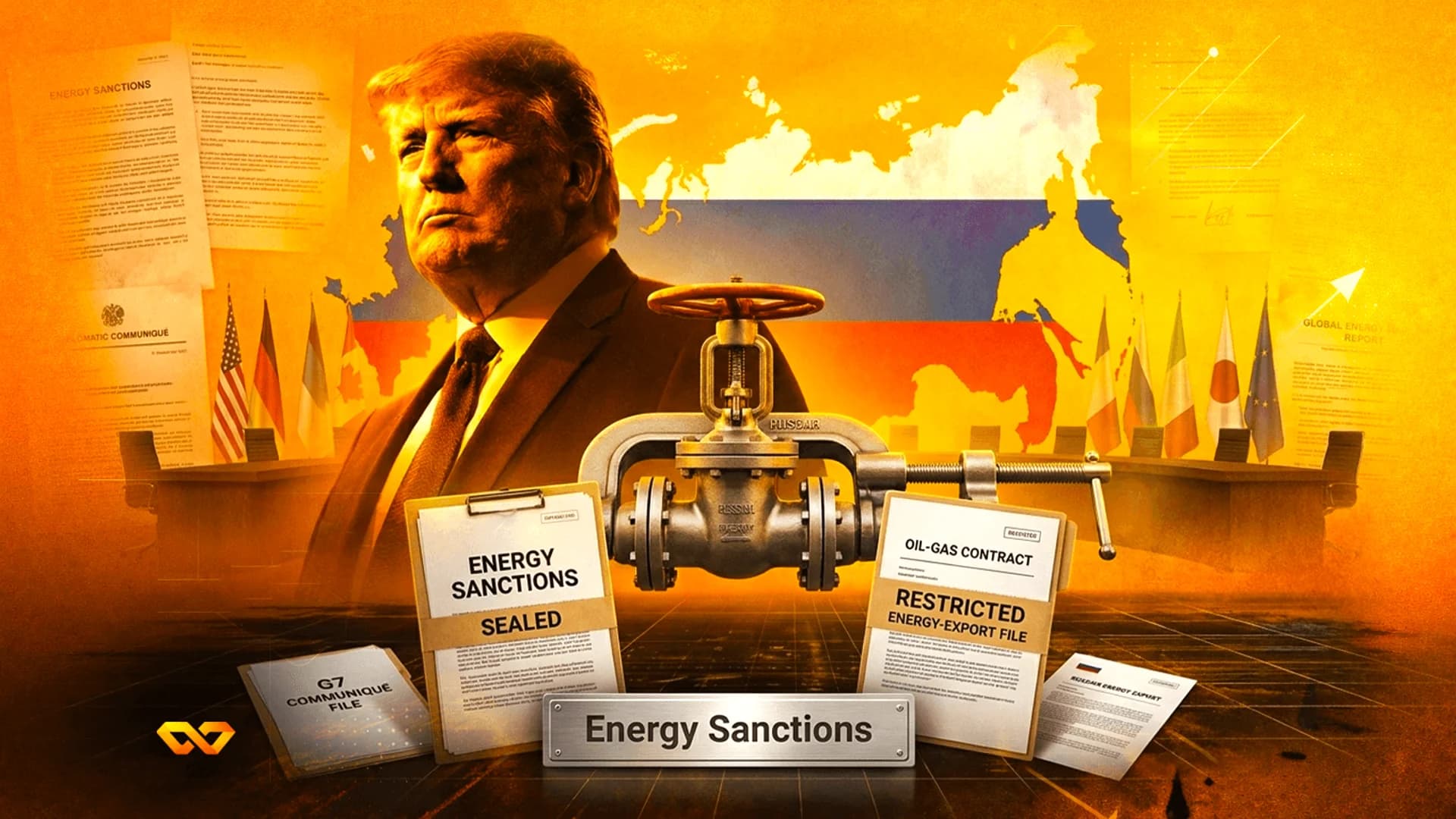
In a move reflecting intensified geopolitical pressure on Moscow, G7 leaders, including Donald Trump, have pledged to increase military support for Ukraine and tighten sanctions on Russia's energy sector. According to reports, the leaders issued a joint declaration aimed at squeezing Russia's primary revenue source to undermine its financing capabilities. This commitment is part of the group's broader effort to bolster Ukrainian defenses amid the ongoing conflict.
These developments come at a sensitive time for the global energy market, as U.S. EIA data released on June 10, 2026, showed a significant crude oil inventory draw of -7.228 million barrels, signaling supply tightness that could be exacerbated by stricter sanctions. In comparison, Russia's annual inflation rate stood at 5.3% as of June 10, 2026, per market data, highlighting the persistent economic strain caused by previous international trade restrictions.
Traders should monitor the OPEC Monthly Report scheduled for June 11, 2026, to gauge producer reactions to potential Russian supply disruptions. Additionally, the Eurogroup meeting on the same day will be pivotal in determining the scale of further financial aid to Ukraine. With the U.S. inflation rate reaching 4.2% as of the June 10, 2026 close, any energy price spike resulting from these sanctions could push the Fed toward a more hawkish stance.