
Japan's Crude Import Prices Hit Record High in Yen Amid Hormuz Disruptions
Key Facts
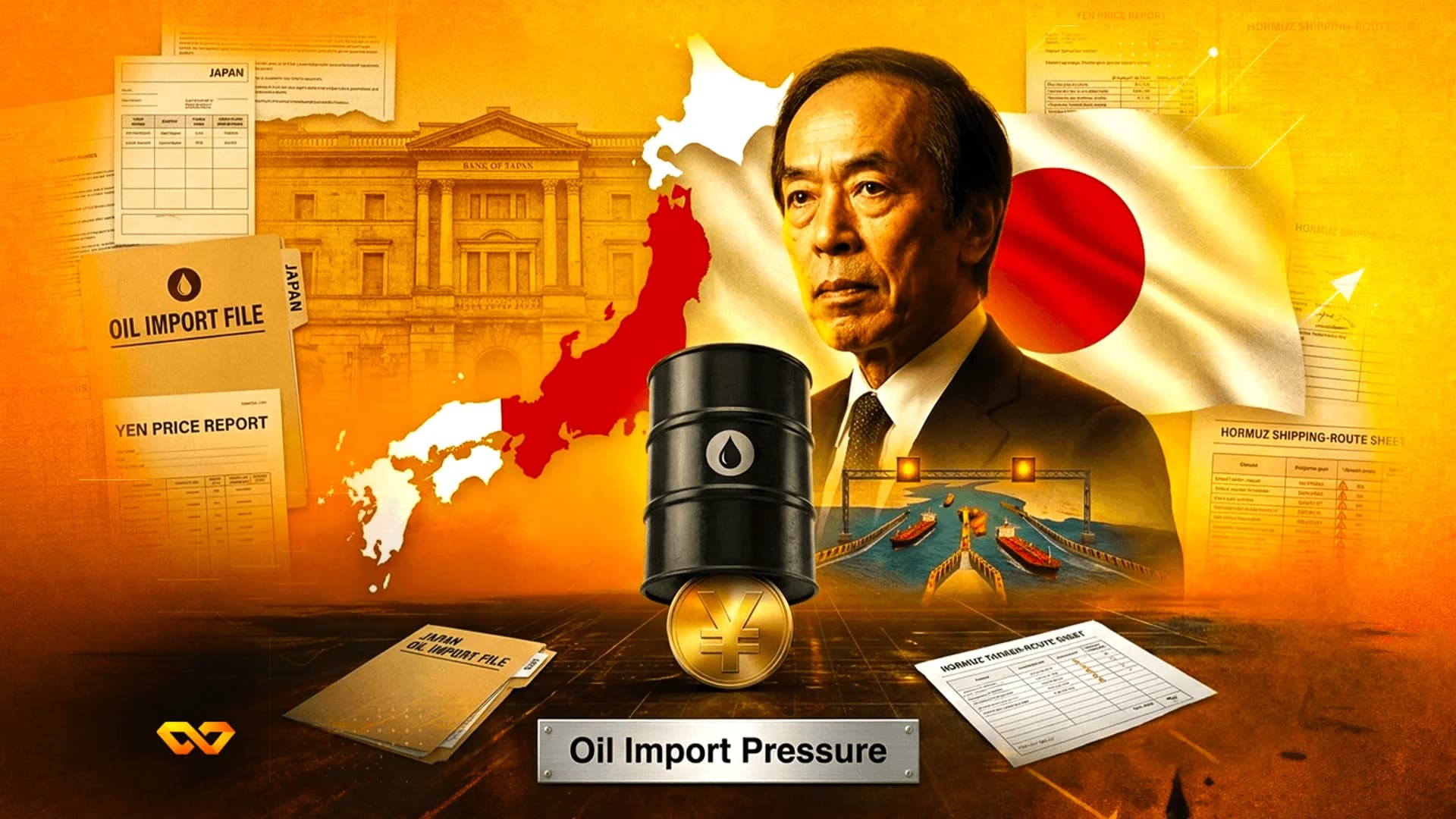
Amid escalating geopolitical tensions threatening global energy corridors, Japan's crude oil import prices reached a record high in yen terms during May 2026, surpassing the levels seen in April. According to data from the Ministry of Finance, this price surge was driven by supply disruptions caused by the closure of the Strait of Hormuz and the broader impact of conflict in the Middle East. These record costs highlight the Japanese economy's acute vulnerability to imported energy price shocks.
This record high coincides with broader global inflationary pressures, as U.S. Consumer Price Index (CPI) data showed a 4.2% annual increase in June 2026 per market data. Additionally, the U.S. Producer Price Index (PPI) recorded a 1.1% monthly jump, signaling sustained upward pressure on production costs worldwide. Japan faces a dual challenge of a weakened domestic currency and surging crude prices, which places significant strain on the nation's trade balance.
Traders should closely monitor the upcoming OPEC Monthly Report for updated global supply and demand forecasts. Markets are also awaiting Japan's next trade balance release to assess the full macroeconomic impact of these record import costs. With the Strait of Hormuz closure remaining a primary risk factor, energy prices are expected to remain volatile, especially as inflation in major economies like Russia stood at 5.3% as of June 10, 2026.