
Oil Slides Below $80 as U.S.-Iran Deal and Hormuz Reopening Reports Surface
Key Facts
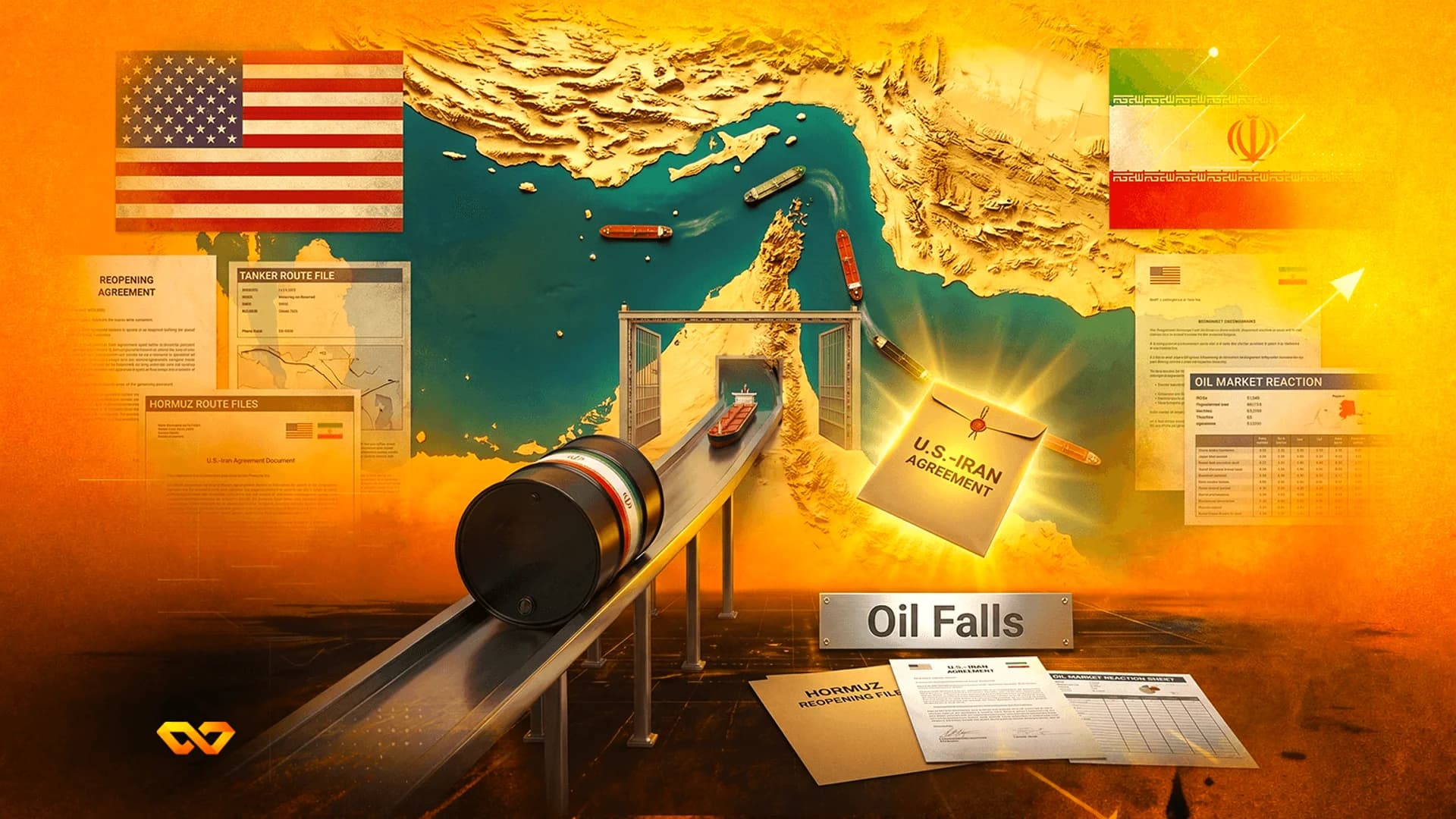
In a move reflecting a significant de-escalation of geopolitical risks in global energy corridors, oil prices fell below the $80 per barrel threshold. According to reports, this decline followed the announcement of a ceasefire agreement between the United States and Iran, which includes plans to reopen the Strait of Hormuz this Friday. This development has effectively erased previous gains, as crude had been trading near $120 before the diplomatic breakthrough emerged.
The shift has sparked a sharp divide among top commodity strategists; Jeff Currie suggests a potential crash toward $50 as Iranian supply returns, while others like Anas Alhajji maintain a bullish case for $150 citing structural underinvestment. Amidst these pressures, market data from the API on June 9, 2026, showed a crude stock change of -9.119 million barrels, a much deeper draw than the -3.4 million forecast, highlighting the tension between potential future oversupply and current demand strength.
Traders should watch for technical support levels near $75, with prices holding below $80 as of the June 16, 2026 close. Key upcoming catalysts include the OPEC Monthly Report scheduled for June 11, 2026, which will provide clarity on production quotas, and the official EIA Weekly Petroleum Report, which recently showed a substantial inventory draw of -7.228 million barrels.
Latest Updates · 1
- Notable·
Update: Negotiations have entered a new procedural phase as both parties prepare to sign a tentative memorandum of understanding, formalizing recent agreements. However, market participants remain wary of potential logistical hiccups that could impact the stability of future energy supplies.