
BoJ Hikes Rates to 31-Year High, Threatening Yen Carry Trades and Bitcoin
Key Facts
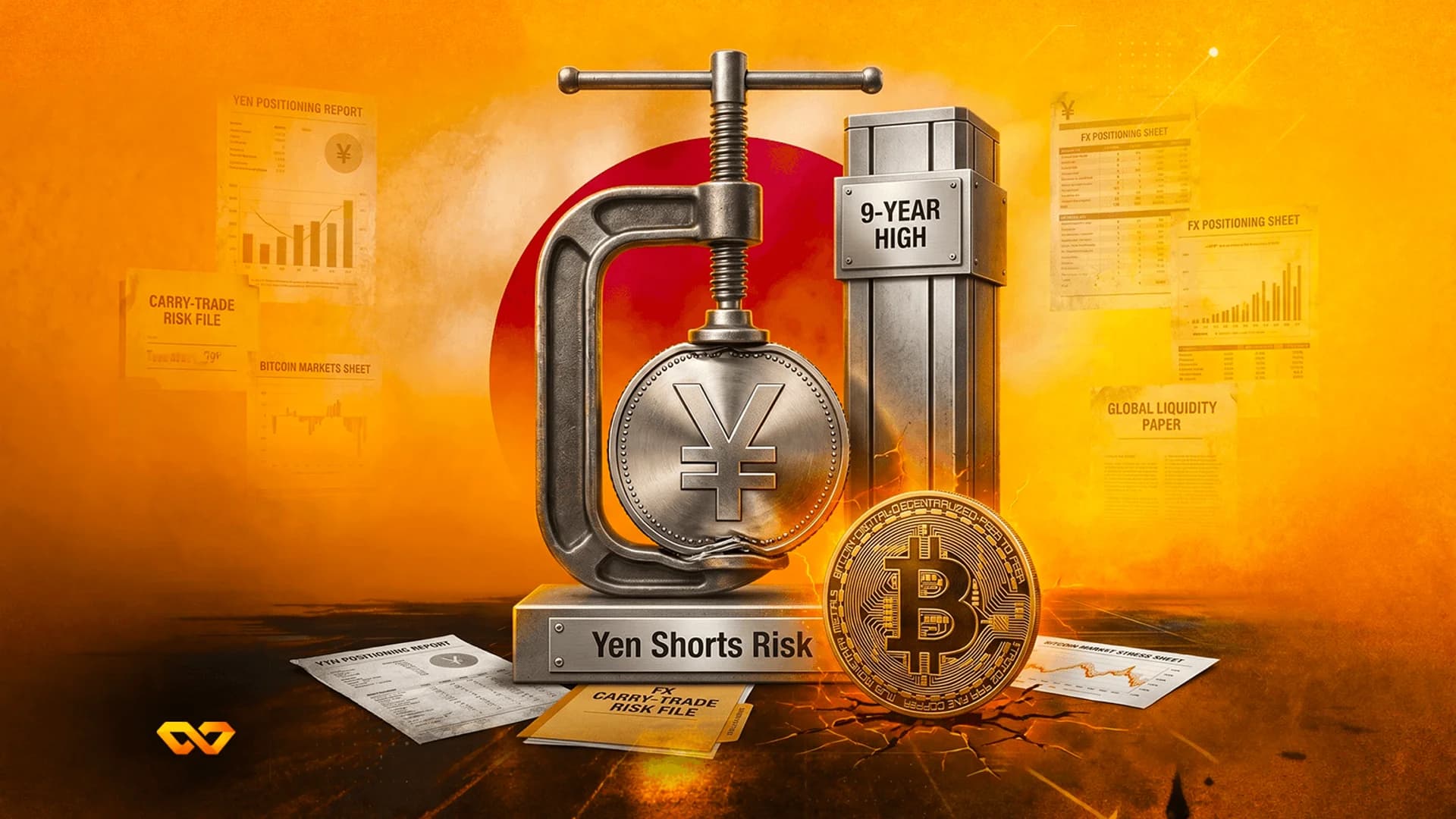
In a historic shift for Japanese monetary policy, the Bank of Japan (BoJ) has raised interest rates to their highest level in 31 years, marking a definitive end to the era of ultra-loose policy. According to reports, this move confirms fears of a massive unwind in yen carry trades, which have long utilized low-cost yen borrowing to fund high-risk assets. Analysts suggest this decision places immediate pressure on Bitcoin, as markets are forced to deleverage in response to rising yen-denominated borrowing costs.
This policy pivot coincides with a period of stability for Asian currencies, supported by emerging hopes for geopolitical de-escalation with Iran, which has dampened initial volatility across emerging markets. Looking at comparative data, the gap between Japanese and U.S. rates is narrowing, with U.S. inflation holding at 4.2% as of the June 10, 2026 close, per market data. Experts believe this convergence could sustain yen strength against the dollar, further exacerbating the risks of a short squeeze on the record-high speculative positions seen recently.
Technically, traders are monitoring Bitcoin levels following the BoJ decision (close June 16, 2026) as a gauge for the depth of the liquidity-driven correction. As markets digest this landmark rate hike, focus shifts to upcoming U.S. retail sales data listed in the economic calendar. These figures will be critical in determining whether global risk appetite can withstand the higher funding costs emanating from Tokyo.
Latest Updates · 1
- Notable·
Update: Bitcoin price has returned to trade above the $65,000 level, supported by positive developments from Washington that have eased selling pressure. Despite this recovery, the threat of a yen carry trade unwind remains a persistent risk factor that could cap near-term upside gains.