
Trump Announces Iran Peace Deal and Immediate Reopening of Strait of Hormuz
Key Facts
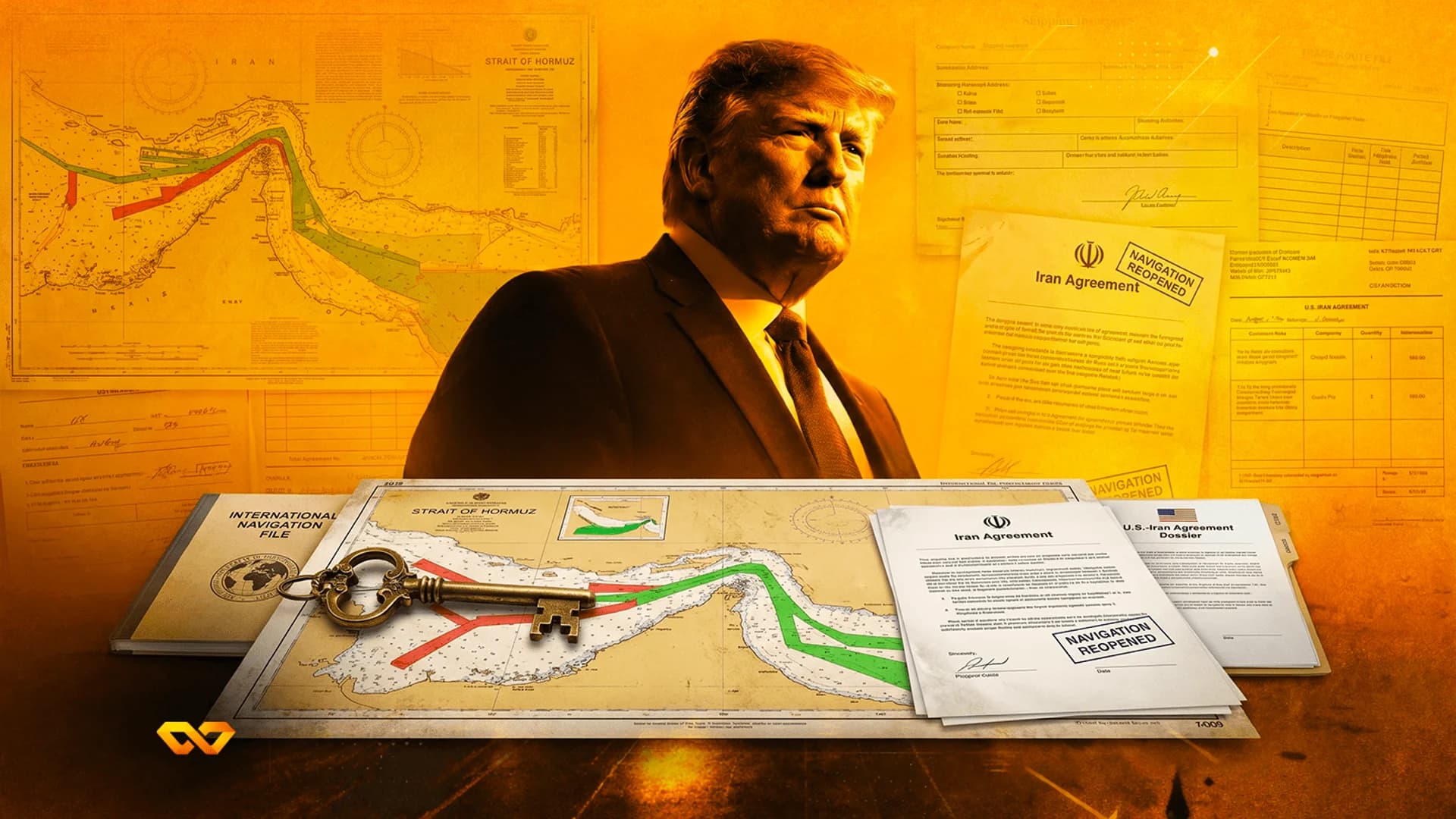
President Donald Trump announced that the United States has reached a formal peace deal with Iran, marking a definitive end to months of intense military and economic hostilities. The agreement mandates the immediate reopening of the Strait of Hormuz following a strategic closure that triggered a significant global oil shock. This diplomatic breakthrough aims to resolve the long-standing standoff between the two nations, effectively removing a major source of systemic risk from the global stage.
The announcement arrives as energy markets grapple with supply volatility. Per market data, the API Crude Oil Stock Change reported a sharp decline of 9.119 million barrels for the week ending June 9, 2026, significantly deeper than the forecasted 3.4 million barrel draw. Analysts suggest that the restoration of traffic through the Strait of Hormuz will likely deflate the geopolitical risk premium that has buoyed energy prices, providing much-needed relief to global manufacturing and transport sectors.
Investors are now shifting focus to the implementation phase of the deal and its impact on broader market sentiment. Key upcoming catalysts include the U.S. Inflation Rate (CPI) data scheduled for June 10, 2026, which will provide further clarity on the macroeconomic environment. Market participants should watch for official confirmations from Tehran and any subsequent shifts in OPEC+ production rhetoric following the normalization of Iranian transit routes.
Latest Updates · 3
- Notable·
Update: Diplomatic efforts are moving to the international stage as the ceasefire deal is set to be the primary focus of the annual G7 summit. President Trump is expected to discuss implementation frameworks with global leaders to ensure the stability of international trade routes, adding a multilateral dimension to the geopolitical de-escalation.
- Notable·
Update: Global markets reacted swiftly to the news, with oil prices tumbling more than 4% during Monday's trading while Asian equities rallied on receding risk premiums. However, a segment of the investment community remains cautious, noting that the agreement has yet to be formally signed, leaving some uncertainty regarding the final execution of the terms.
- Notable·
Update: The agreement includes specific provisions for the immediate and permanent termination of military operations across all fronts, explicitly including Lebanon. In coordination with the reopening of the Strait of Hormuz, President Trump has formally ordered an end to the U.S. naval blockade, signaling a full restoration of commercial maritime corridors.