
Trump Announces Iran Deal Completion and Reopening of Strait of Hormuz
Key Facts
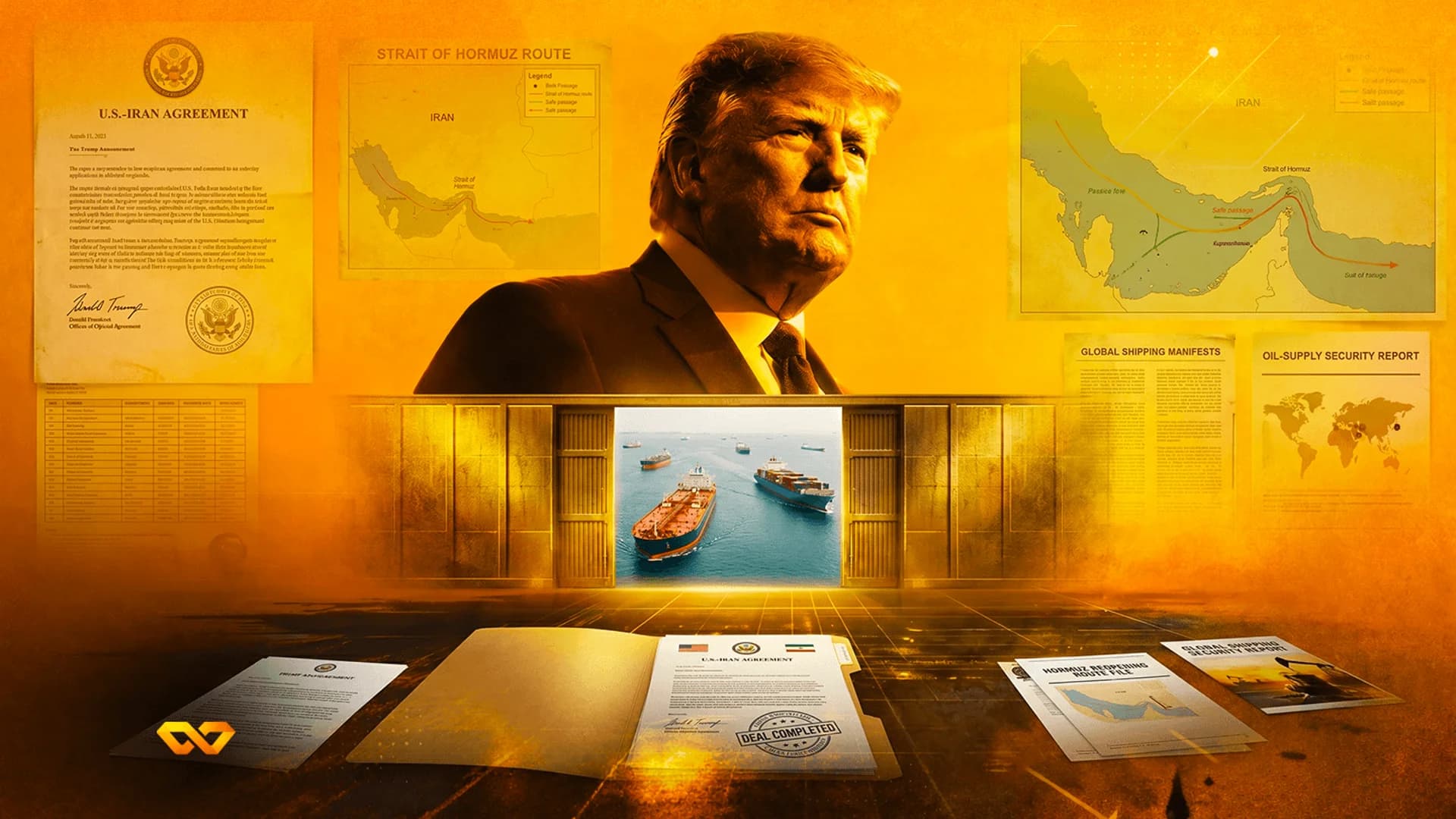
President Donald Trump has announced that a diplomatic deal with Iran is "now complete" and has authorized the reopening of the Strait of Hormuz, a critical chokepoint for global energy transit. According to reports, markets reacted sharply to the news, with crude oil prices plunging more than 4% while Dow Jones futures surged by approximately 380 points. This development marks a significant shift in geopolitical dynamics aimed at de-escalating regional tensions and restoring stability to global supply chains.
This diplomatic breakthrough arrives at a pivotal moment for energy markets, as the Strait of Hormuz handles approximately one-fifth of the world's daily oil consumption. Compared to previous periods of heightened tension, the reopening of the strait effectively removes the geopolitical risk premium that has historically bolstered crude prices. Per market data, major energy equities faced immediate selling pressure following the announcement, while cost-sensitive sectors such as airlines and logistics saw a relief rally on expectations of lower fuel overheads.
Looking ahead, traders are shifting focus to upcoming inventory data to gauge how normalized supply will impact global balances. The economic calendar also highlights the U.S. Inflation Rate (CPI) release on June 10, 2026, which may see downward pressure in future readings due to falling energy costs. Investors should watch for technical support levels in crude oil following this 4% slide and monitor the API Crude Oil Stock Change report, which showed a significant draw of 9.119 million barrels as of June 9, 2026.