
SpaceX Valuation Tops $2 Trillion as Rival Blue Origin Faces Setbacks
Key Facts
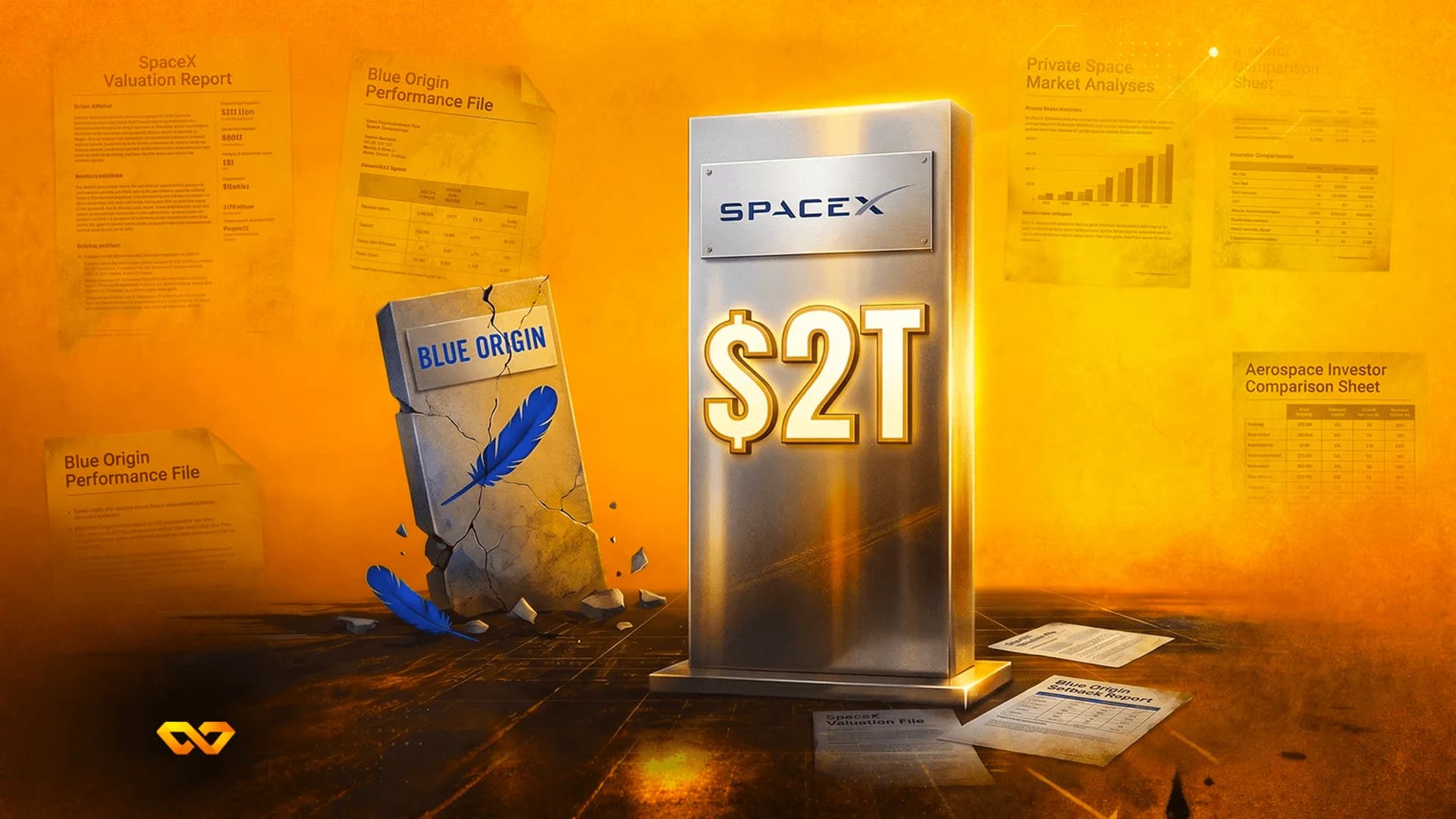
Amid the intensifying race for dominance in the global space economy, SpaceX has achieved a historic milestone by surpassing a $2 trillion market valuation. According to reports, this surge followed its recent listing, which solidified the company's position as the preeminent leader in the sector. Conversely, Jeff Bezos's Blue Origin suffered a significant technical setback after its New Glenn rocket was destroyed in a fireball during a recent test, further widening the competitive gap between the two titans.
These developments occur as the space industry experiences rapid growth, with market data indicating that SpaceX's current valuation places it far ahead of established defense giants like Lockheed Martin, which holds a market cap of approximately $115 billion. Compared to its peers, the failure of the New Glenn test represents a hurdle for Blue Origin's ambitions to secure commercial satellite launch contracts—a market where SpaceX currently maintains a dominant share of global launches according to industry analysis.
Investors should monitor the sustainability of SpaceX's valuation given its status as a private entity with limited secondary market liquidity. Looking at the economic calendar, the U.S. CPI data released on June 10, 2026, showing a 4.2% annual rate, remains a key factor for financing costs in capital-intensive space projects. Additionally, any upcoming announcements from Blue Origin regarding its re-testing schedule will be critical for assessing its ability to regain competitive momentum.