
New Fed Chair Warsh Shifts Strategy, Ending Decades of Open Communication
Key Facts
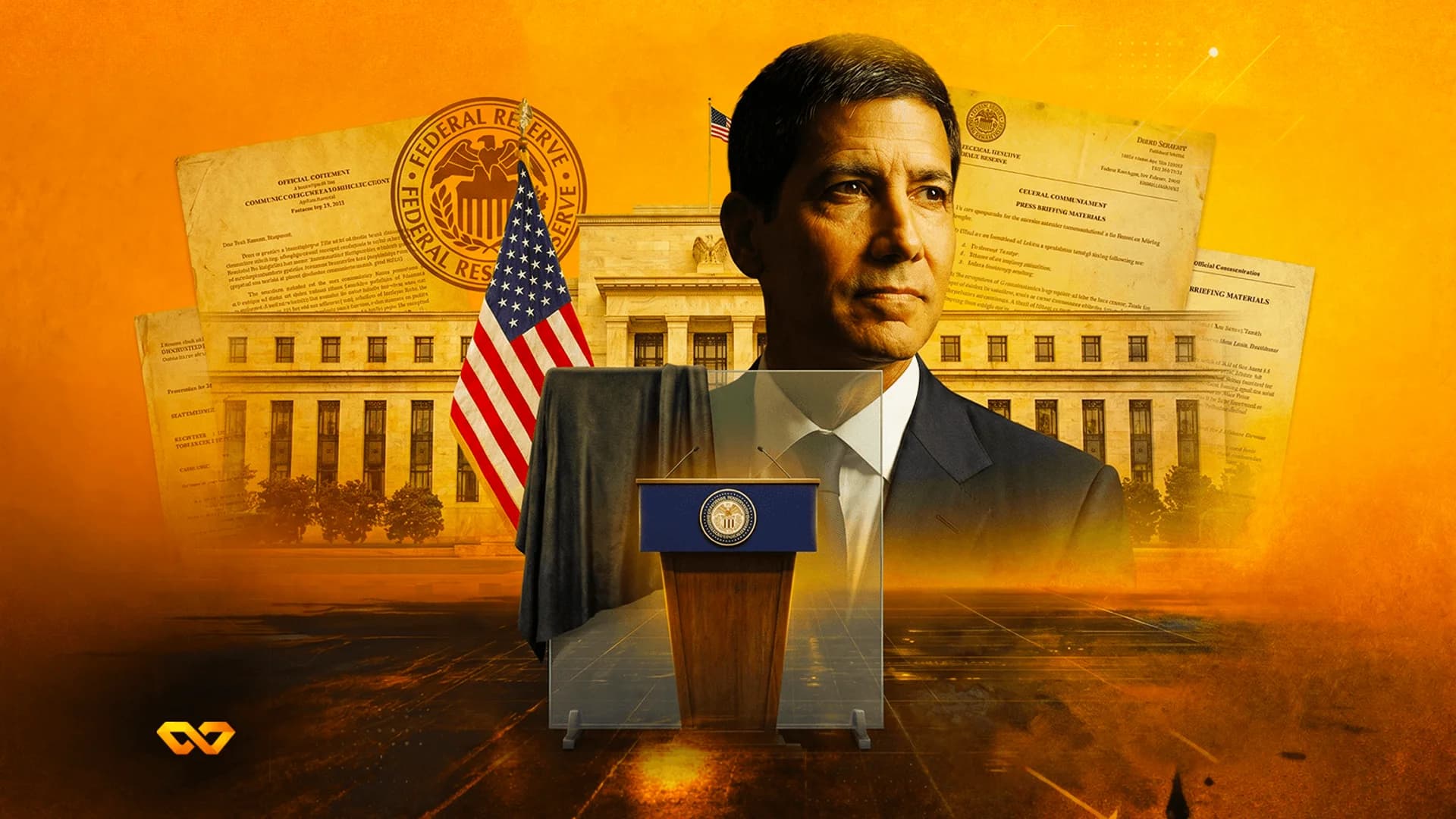
In a move reflecting a fundamental shift in the management philosophy of the world's largest central bank, the Federal Reserve has begun scaling back its intensive public communication. The new Fed chairman is adopting a strategy that moves away from the absolute transparency policy held for decades, reversing the era of 'forward guidance.' This change is driven by the new leadership's belief that excessive public commentary may hinder monetary policy effectiveness rather than support it.
This strategic pivot comes at a sensitive time for the global economy, as U.S. Consumer Price Index (CPI) data showed a 4.2% annual increase in May 2026, per market data. In comparison to other major central banks, the European Central Bank maintains a different approach, with Christine Lagarde continuing to provide regular guidance speeches, most recently on June 9. Analysts suggest that the Fed's relative silence could increase short-term market volatility as investors lose the explicit roadmap they have relied on for years.
Looking ahead, traders are focused on the June 15, 2026, Fed meeting and the release of new economic projections, which will serve as the first major test of this guarded communication style. Regarding recent economic indicators, U.S. Existing Home Sales stood at 4.17 million units as of the June 9, 2026 close, indicating housing sector resilience despite rate pressures. Investors should watch market liquidity levels closely, as the lack of direct guidance may lead to abrupt asset repricing.
Latest Updates · 1
- Notable·
Update: Energy markets faced selling pressure as oil prices fell following reports of a potential U.S.-Iran peace framework deal. Bond markets are now closely watching how the Warsh-led Federal Reserve will incorporate these geopolitical developments into its upcoming interest rate decision.