
UAE Officially Denies Reports of Releasing $20 Billion in Frozen Iranian Assets
Key Facts
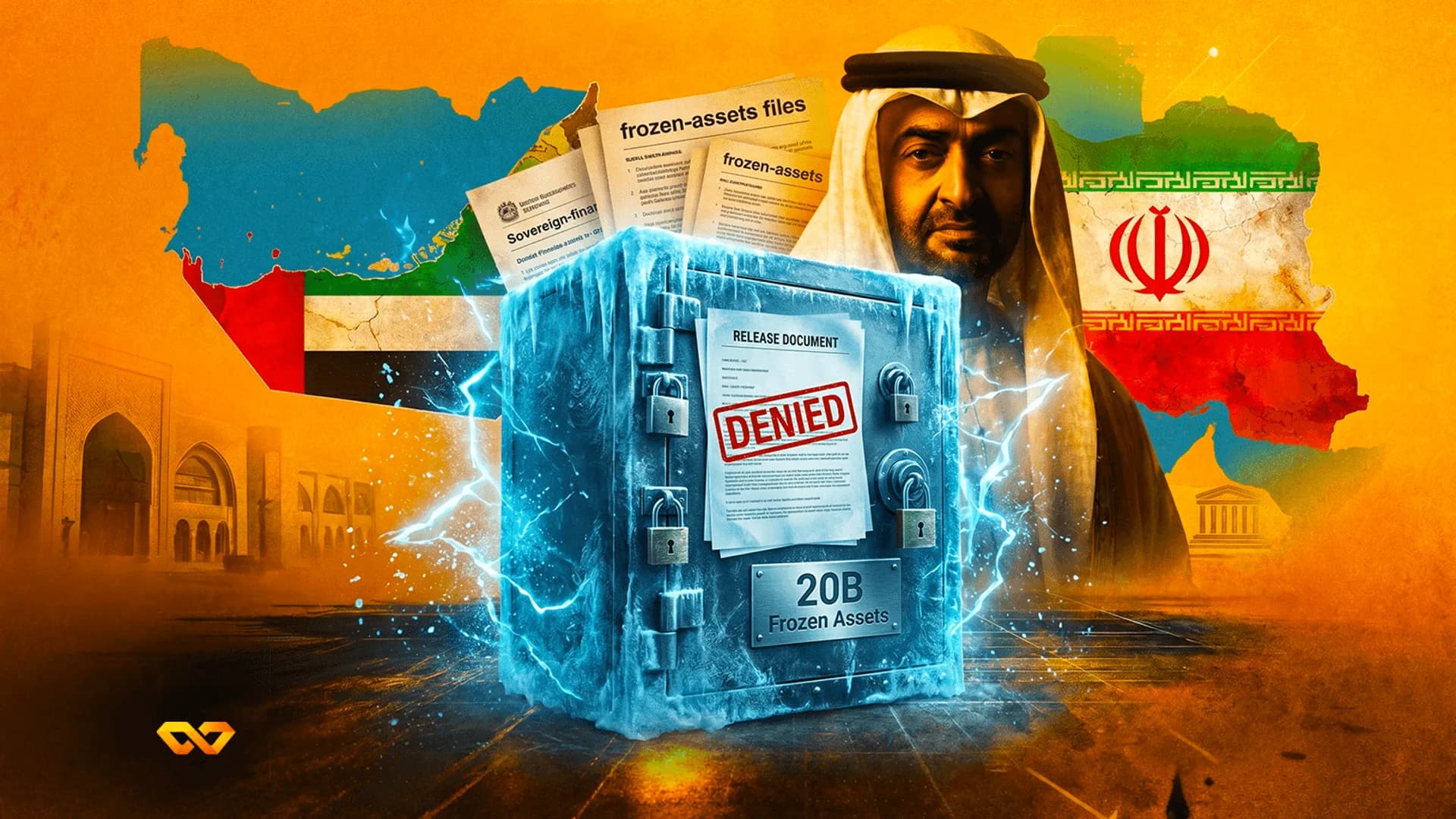
In a move aimed at maintaining geopolitical stability and adhering to international standards, the United Arab Emirates denied media reports alleging it agreed to release frozen Iranian assets. The government officially refuted claims regarding the transfer of funds totaling up to $20 billion to Tehran. This clarification serves to end media speculation surrounding a potential shift in the policy regarding frozen funds linked to international sanctions.
These developments occur at a sensitive time for the region, as global markets monitor any signs of easing financial pressure on Iran, which could impact energy prices and regional power balances. In the context of sanctions, releasing such substantial sums typically requires extensive international coordination, particularly with the United States, which maintains strict restrictions on Iranian financial transfers. Per market data, oil price stability relies heavily on geopolitical calm in the Gulf, a sentiment reinforced by the UAE's current denial.
Regarding economic data, traders are awaiting the results of the OPEC meeting scheduled for June 7, 2026, which may provide a clearer outlook on production levels amidst these geopolitical tensions. Additionally, the economic calendar highlights China's Balance of Trade data due on June 9, 2026, which is vital for assessing global energy demand. Focus will remain on any further official statements from regional central banks to ensure the stability of cash flows and international compliance.