
US Inflation Surpasses 4% for First Time in 3 Years as Energy Costs Spike
Key Facts
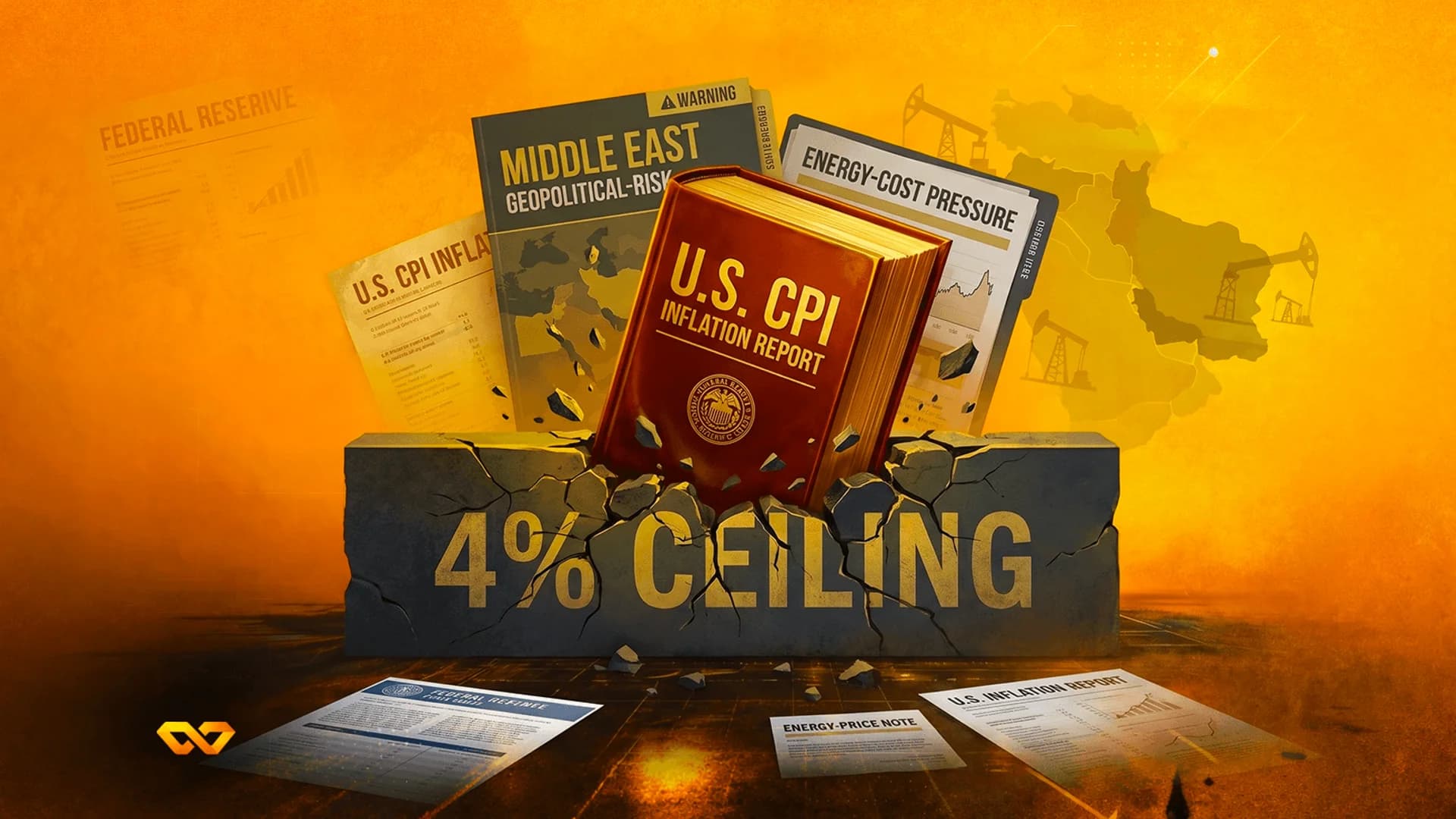
US inflation surpassed the 4% mark in May for the first time in three years, placing renewed pressure on the purchasing power of American households. Higher energy costs stemming from the ongoing conflict with Iran are the primary drivers of this price surge. According to reports, the sustained military operations have led to supply chain disruptions that are now filtering through to broader inflation metrics.
This spike arrives at a sensitive time for the global economy, as the closure of the Strait of Hormuz has pushed crude oil prices toward record levels, impacting transport and production costs across sectors. In comparison to previous data, the ISM Non-Manufacturing Prices index showed persistent pressure, recording 71.3 in June per market data, compared to a forecast of 72.3. Expert analysis suggests that prolonged geopolitical tensions may force the Federal Reserve to adopt a more hawkish monetary stance.
Investors should monitor the upcoming EIA Weekly Petroleum Report to assess the impact of the conflict on US stockpiles, especially after a sharp draw of -7.974 million barrels in the latest reading. With inflation hitting this significant psychological level, markets are awaiting upcoming Fed speeches for signals on interest rate trajectories. Energy price levels remain the core catalyst for market volatility as long as a diplomatic resolution to the crisis remains elusive.