
Oil Prices Climb as US-Iran Military Tensions Ignite Supply Fears
Key Facts
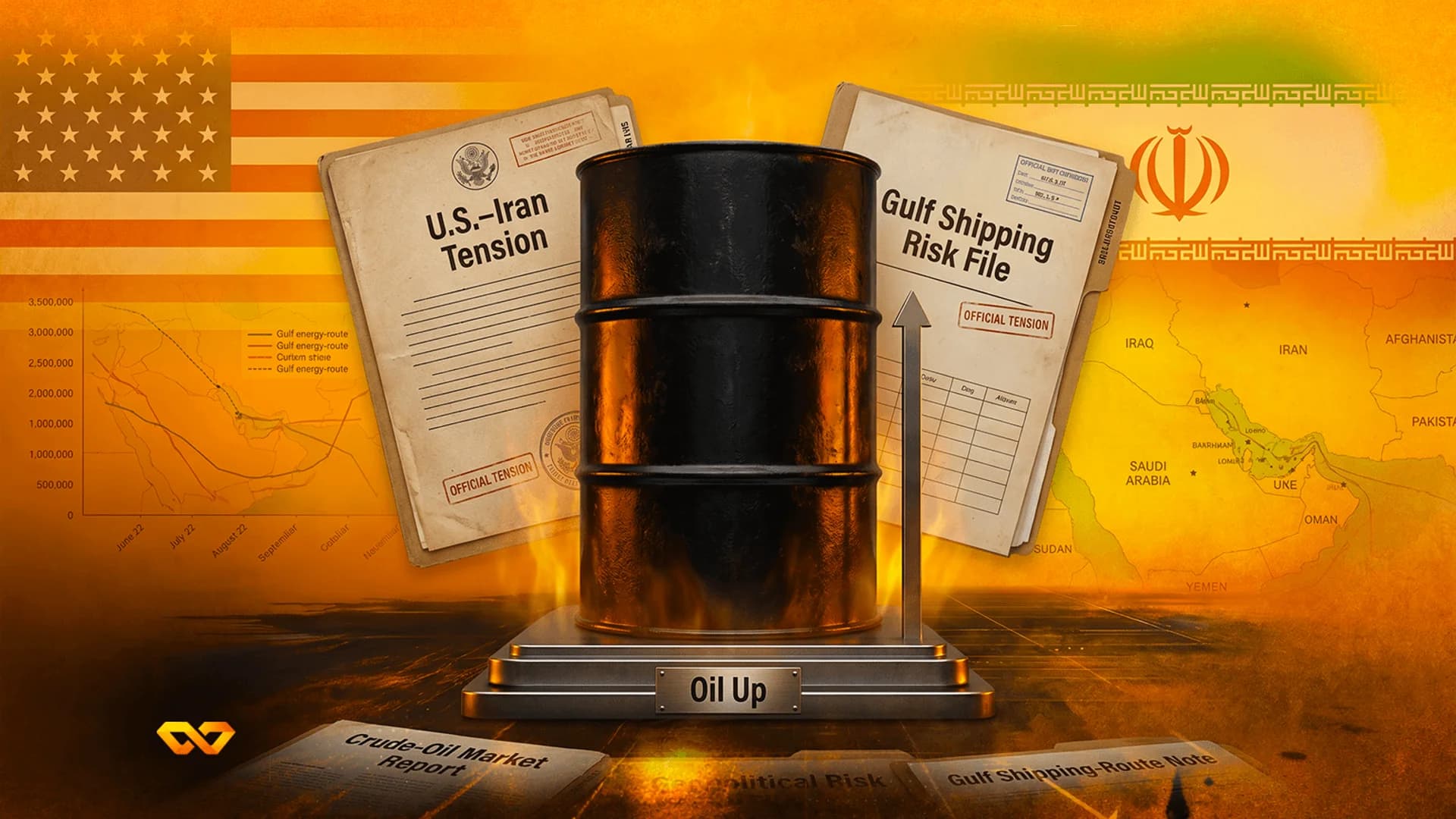
Oil prices increased as supply disruption concerns escalated following an exchange of attacks between the U.S. and Iran. This military escalation has increased the risk premium on crude oil due to potential infrastructure damage or transit blockages in critical energy corridors. Global markets are closely monitoring the impact of these tensions on the stability of energy flows from the Middle East.
This price surge coincides with market data showing significant inventory draws; the EIA Weekly Petroleum Report on June 3, 2026, reported a substantial decline of -7.974 million barrels in U.S. stocks, far exceeding the forecasted draw of -4 million. Geopolitical risks are now compounding existing market volatility, which was recently influenced by cooling growth data, such as Australia's GDP growth rate hitting 0.3% per official June 3rd releases.
Traders should watch current price levels and any further escalations near the Strait of Hormuz as primary catalysts for the next move. Looking ahead, the market will focus on the U.S. Initial Jobless Claims (scheduled for June 4, 2026) to gauge demand strength in the world's largest oil consumer, alongside upcoming speeches from Fed officials which may impact the U.S. Dollar and commodity pricing.
Latest Updates · 3
- Notable·
Update: New EIA data for the week ending June 5, 2026, confirmed a continued supply squeeze as U.S. crude inventories fell by 7.2 million barrels to 426.5 million barrels. This drawdown leaves commercial stockpiles 5% below the five-year average for this season, providing further fundamental support for the current price rally.
- Notable·
Update: Data for the week ended June 5 confirmed persistent supply tightness as U.S. commercial crude inventories fell by 7.2 million barrels, significantly exceeding the forecasted 2.9 million barrel draw. According to American Petroleum Institute (API) data, this marks the eighth consecutive week of declines, further reinforcing concerns over tightening global supply levels.
- Notable·
Update: Data from Vortexa highlights the scale of the impact on Europe, noting that Middle East Gulf countries accounted for 30% of the continent's seaborne jet fuel and diesel imports prior to the Strait of Hormuz disruptions. To mitigate the shortfall, Europe is currently pivoting toward increased refining activity and ramping up imports from the United States and West Africa.