
Texas Grid at Risk as Data Centers Fail Critical Load Stability Tests
Key Facts
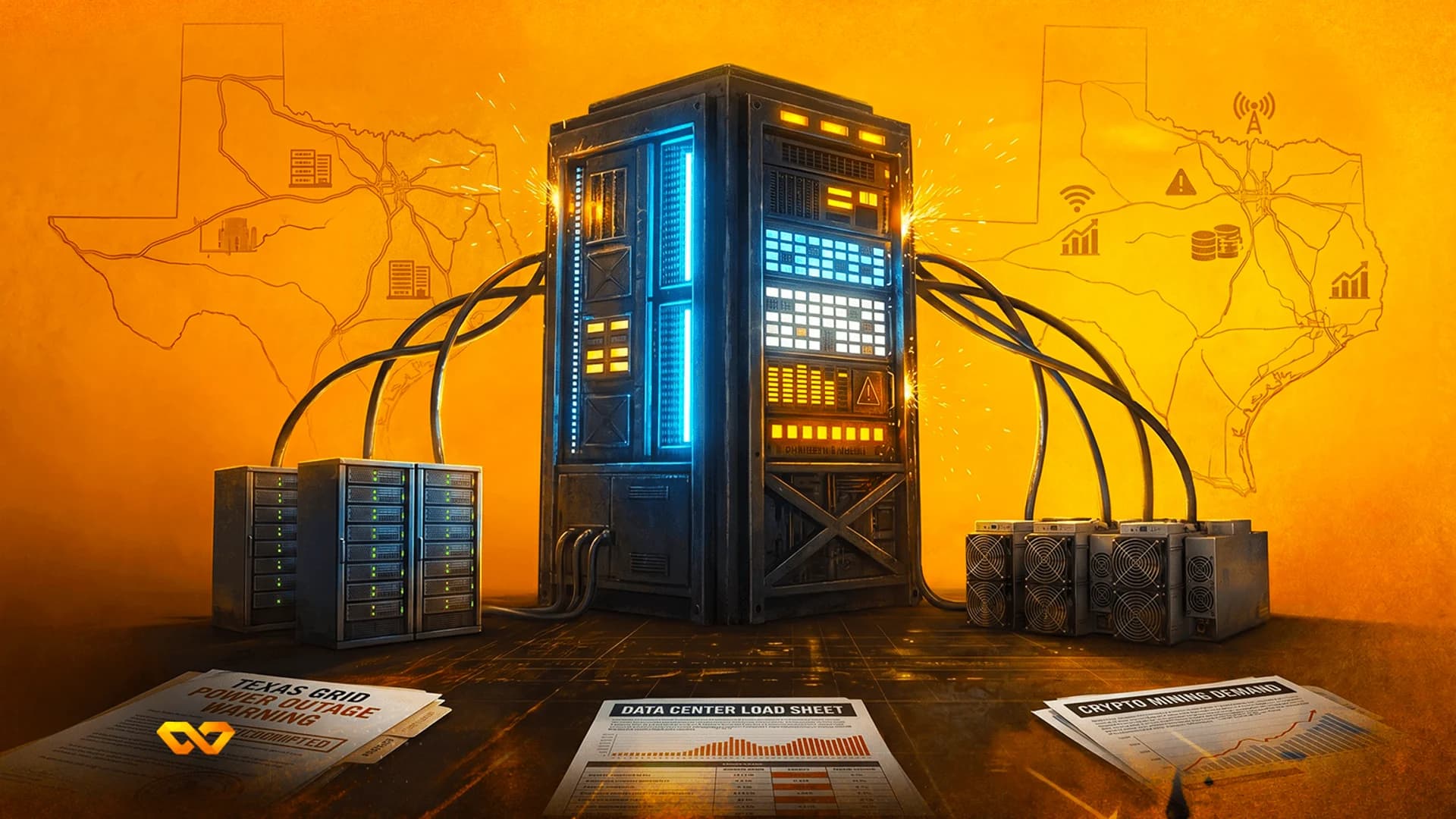
Amid the rapid expansion of digital infrastructure, Texas grid operator ERCOT disclosed that data center clusters failed critical voltage ride-through testing. Technical models showed each group is capable of abruptly removing over 5,000 MW of demand, equivalent to the total consumption of Boston. ERCOT has already recorded 26 disconnection events involving data centers or crypto mining operations since 2023, raising alarms over system-wide instability.
These pressures emerge as the U.S. faces a massive surge in power demand driven by AI; Goldman Sachs research indicates AI could account for 8% of total U.S. electricity use by 2030. Compared to other regional utilities, the Texas grid faces unique risks due to its isolation, where sudden load trips create frequency spikes that can lead to cascading blackouts per market data and technical sector analysis.
Traders should monitor grid stability as summer peak demand approaches, especially following the U.S. ISM Manufacturing PMI reading of 54 (as of June 1, 2026), which signals robust economic activity. Upcoming catalysts include the API Crude Oil Stock Change report later today, which will provide further insight into the broader energy supply-demand balance affecting regional power prices.