
Eurozone Fuel Sales Hit Sharpest Annual Decline Since October 2023
Key Facts
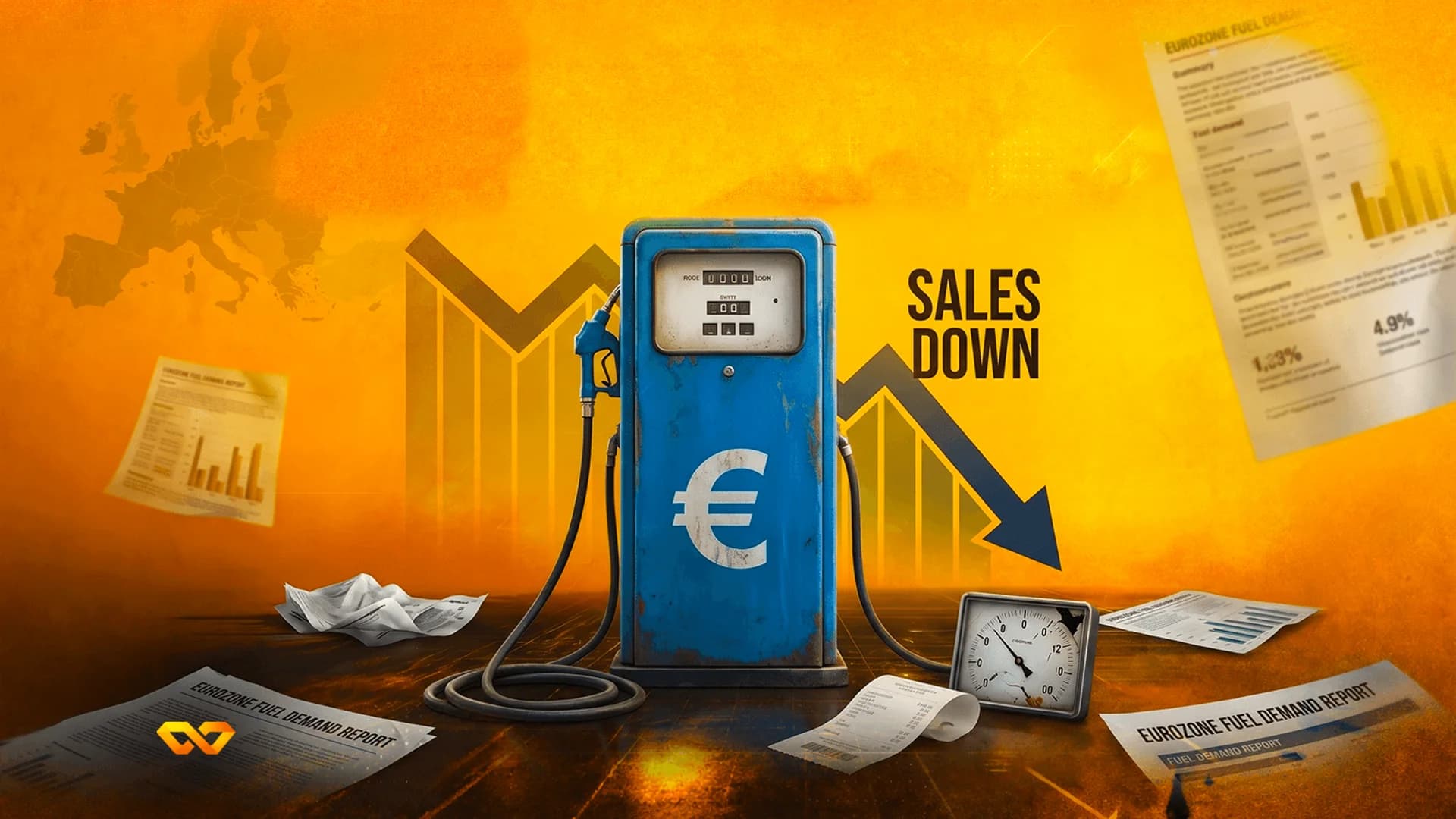
Amid persistent inflationary pressures weighing on European households, the Eurozone has recorded its largest year-on-year decline in fuel sales since October 2023. This significant drop in demand reflects the direct impact of ongoing energy price shocks, forcing drivers across the continent to reduce consumption to manage household budgets. The slowdown signals a broader weakening of purchasing power within the bloc as high costs continue to bite.
This contraction in the energy sector coincides with mixed economic signals across the region, as the Eurozone unemployment rate eased to 6.2% from 6.3% in the June 1, 2026 release, in line with forecasts. Meanwhile, neighboring Switzerland showed some resilience with retail sales growing 1.6% year-on-year, highlighting the diverging paths of domestic consumption stability across European borders in the face of inflation.
Looking ahead, investors are closely monitoring updated Eurozone inflation data, which stood at 3.2% year-on-year at the close of June 2, 2026. The focus remains on upcoming European Central Bank communications to assess if weakening fuel demand will accelerate the timeline for interest rate cuts. Additionally, upcoming manufacturing PMI releases will be critical in determining the depth of the economic slowdown in energy-intensive sectors.