
US-Iran Ceasefire Fails, Keeping Strait of Hormuz Closed
Key Facts
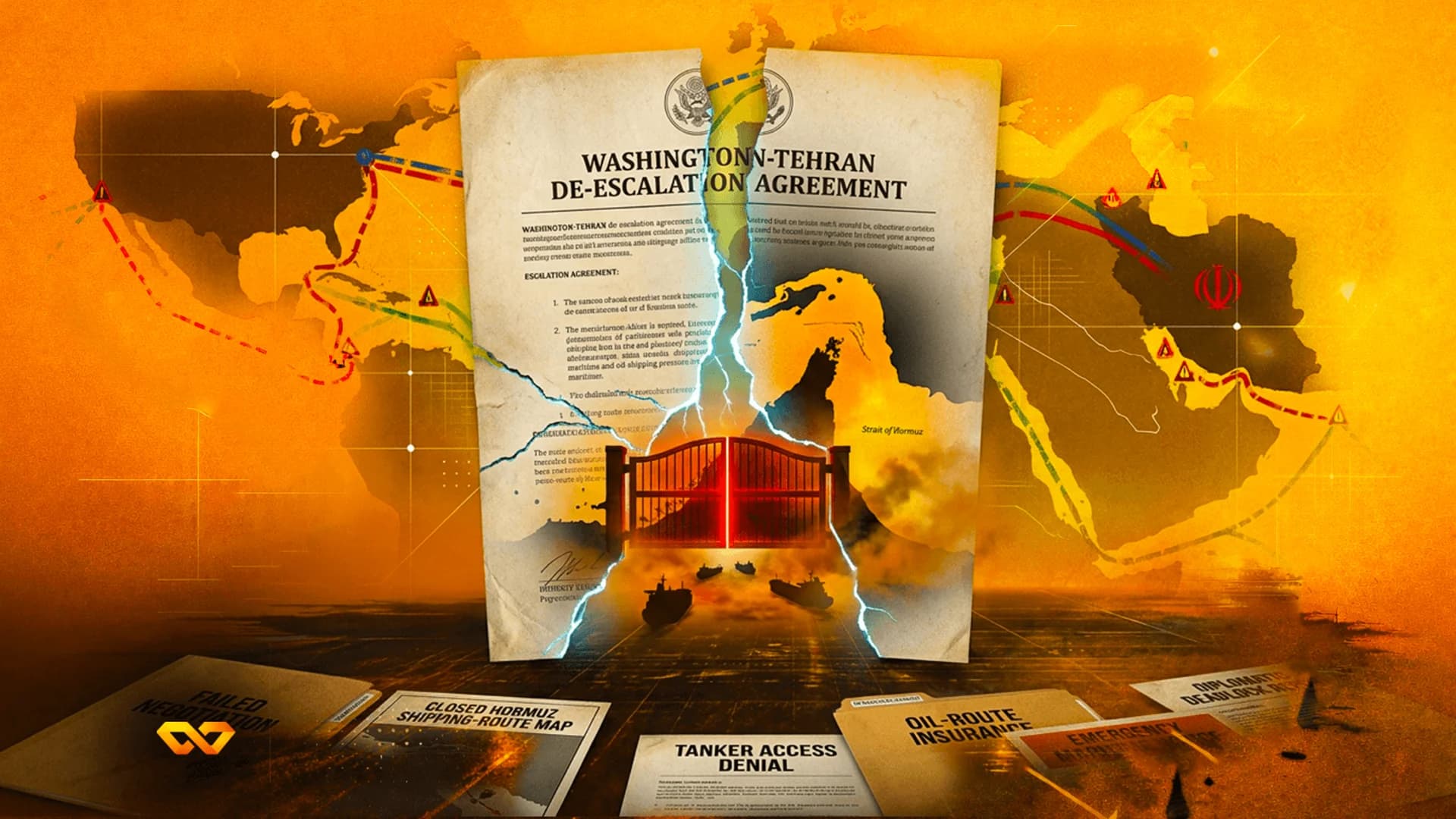
Global energy markets are facing renewed pressure as hopes for a U.S.-Iran ceasefire have effectively collapsed following a failure to resolve core disputes. According to reports, the strategic Strait of Hormuz remains closed as diplomatic understandings reached a stalemate over Iran's non-negotiable demands regarding uranium enrichment and regional conflicts. This breakdown marks a significant reversal in geopolitical expectations, keeping a primary systemic risk for global trade active.
The Strait of Hormuz is a critical chokepoint accounting for roughly 20% of global oil consumption, making its continued closure a major bullish catalyst for crude prices. Per market data, geopolitical disruptions in this corridor historically trigger significant volatility, compounded by the recent API report showing a 2.8 million barrel draw in U.S. crude stocks as of May 27, 2026. Analysts are now looking to peer producers and OPEC+ for potential supply responses to mitigate the logistical blockade.
Traders should closely monitor energy price levels as the situation evolves, with key U.S. economic catalysts approaching, including the GDP Growth Rate release on May 28, 2026. Additionally, upcoming speeches from Fed officials Logan and Jefferson will be pivotal in determining dollar strength and its subsequent impact on dollar-denominated commodities. Until the waterway reopens, geopolitical risk premiums are expected to remain a dominant force in market pricing.