
Iran Threatens Hormuz and Bab-el-Mandab Closure Amid US Talk Suspension
Key Facts
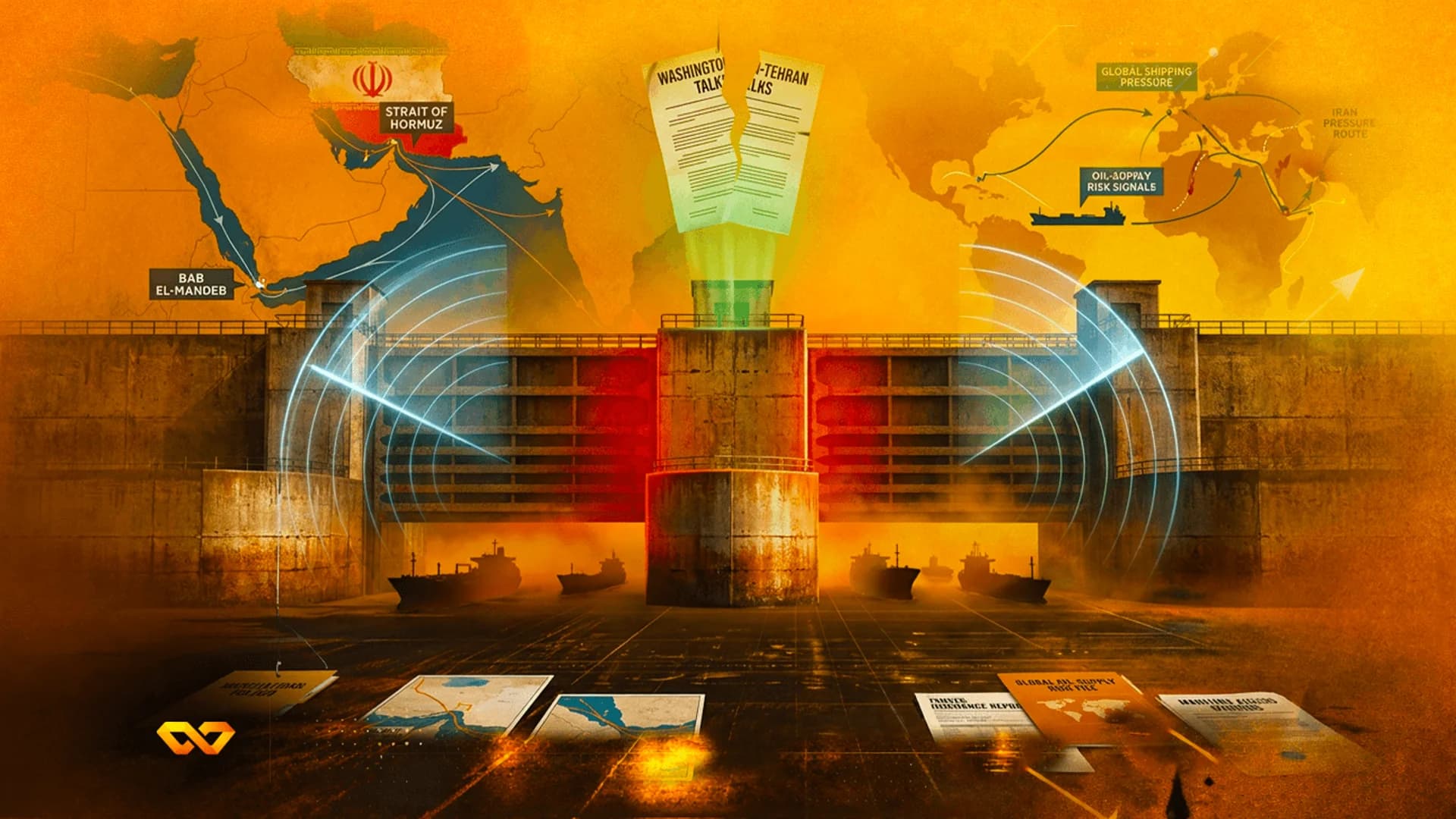
In a move reflecting a dangerous escalation in Middle East geopolitical risks, Iran has suspended diplomatic talks with the United States regarding the ongoing Israel-Hezbollah conflict. According to reports, Iranian threats include the potential full closure of the strategic Hormuz and Bab-el-Mandab straits through its 'axis of resistance.' Tehran also issued warnings of direct military retaliation against Israel, placing global energy security under unprecedented strain.
These threats arrive at a critical juncture for global energy markets, as approximately 20% of world oil consumption passes through the Strait of Hormuz daily. Compared to previous crises, a closure of Bab-el-Mandab could paralyze supply chains heading toward the Suez Canal; historically, similar disruptions have caused oil prices to surge by over 10% per market data. Traders are currently monitoring the response from major powers, especially as tensions rise despite a relative decline in US crude stocks by 2.8 million barrels as of May 27, 2026, according to API data.
Investors should closely watch military escalation developments in the region as a primary catalyst for market volatility in the coming days. On the economic front, the market awaits further inflation and growth data, noting that US GDP growth stood at 1.6% as of the May 28, 2026 report. Upcoming speeches from Fed officials will also be pivotal in assessing how geopolitical risks might impact global price stability.