
NVIDIA Unveils Vera CPU Optimized for AI Agents
Key Facts
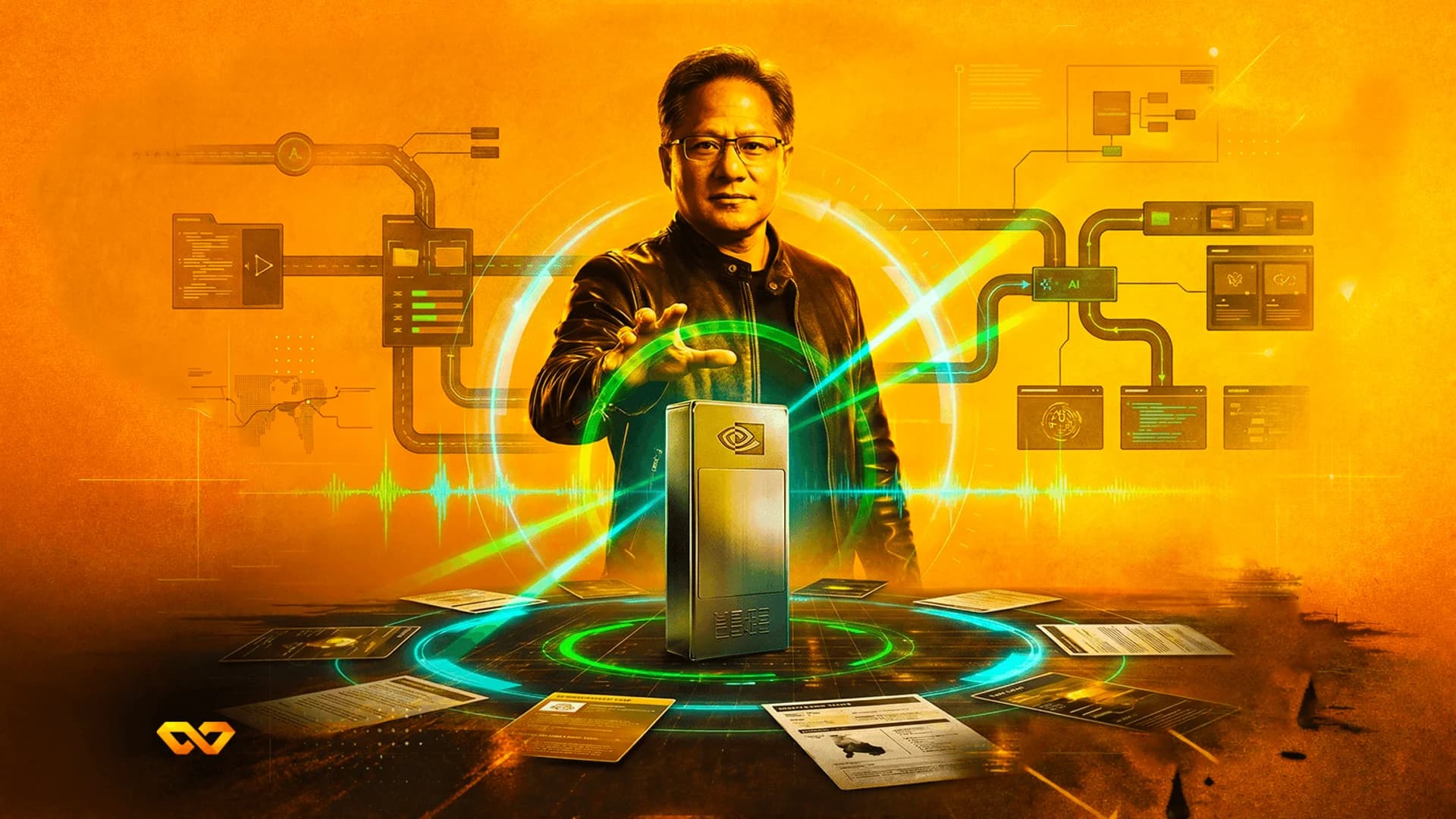
In a move reflecting the accelerating race toward AI automation, NVIDIA has launched the Vera CPU, designed specifically to power AI agents and diverse enterprise workloads. According to reports, the new processor is 1.8x faster than traditional x86 processors in generating data center token revenue. This launch aims to capture a larger share of data center revenue by accelerating AI token generation faster than current industry standards.
This release comes as competition intensifies with peers like AMD and Intel, who are also expanding their data center footprints. Per market data, NVIDIA's shift toward the Vera architecture represents a direct challenge to the traditional dominance of x86 processors in cloud environments, especially as demand grows for specialized silicon capable of handling Large Language Models (LLMs) with higher energy efficiency.
Investors are monitoring NVDA stock performance as they assess how Vera will contribute to future profit margins. Looking ahead, the market awaits the release of the U.S. Core PCE Price Index on May 28, 2026, which could impact broader technology sector sentiment and capital expenditure expectations.
Latest Updates · 4
- Notable·
Update: NVIDIA has expanded its AI agent strategy to personal devices, with CEO Jensen Huang unveiling the RTX Spark chip designed to run autonomous agents locally on desktops and laptops. This move aims to reduce reliance on cloud computing by enabling high-efficiency AI processing directly on end-user hardware.
- Major·
Update: NVIDIA has expanded its AI hardware dominance into the PC market with the unveiling of the RTX Spark Superchip, a combined processor and graphics chip. This strategic move utilizes Arm-based architecture, which triggered a 14% surge in Arm shares per market data, signaling a significant shift in the competitive landscape for personal computing silicon.
- Notable·
Update: NVIDIA has expanded its ecosystem by announcing collaborations with humanoid robot manufacturers in the U.S., Europe, and South Korea, alongside China's Unitree. These partnerships aim to build advanced robots for researchers, further cementing the company's role in integrating AI with complex mechanical systems beyond traditional data center environments.
- Notable·
Update: NVIDIA has expanded its humanoid robotics ecosystem by selecting Chinese startup Unitree to develop a research platform that integrates Blackwell chips into humanoid bodies. This move strengthens NVIDIA's foothold in next-generation AI hardware, as reports simultaneously emerge that Unitree is considering an initial public offering (IPO).