
US Military Action in Strait of Hormuz as Iran Nuclear Talks Stall
Key Facts
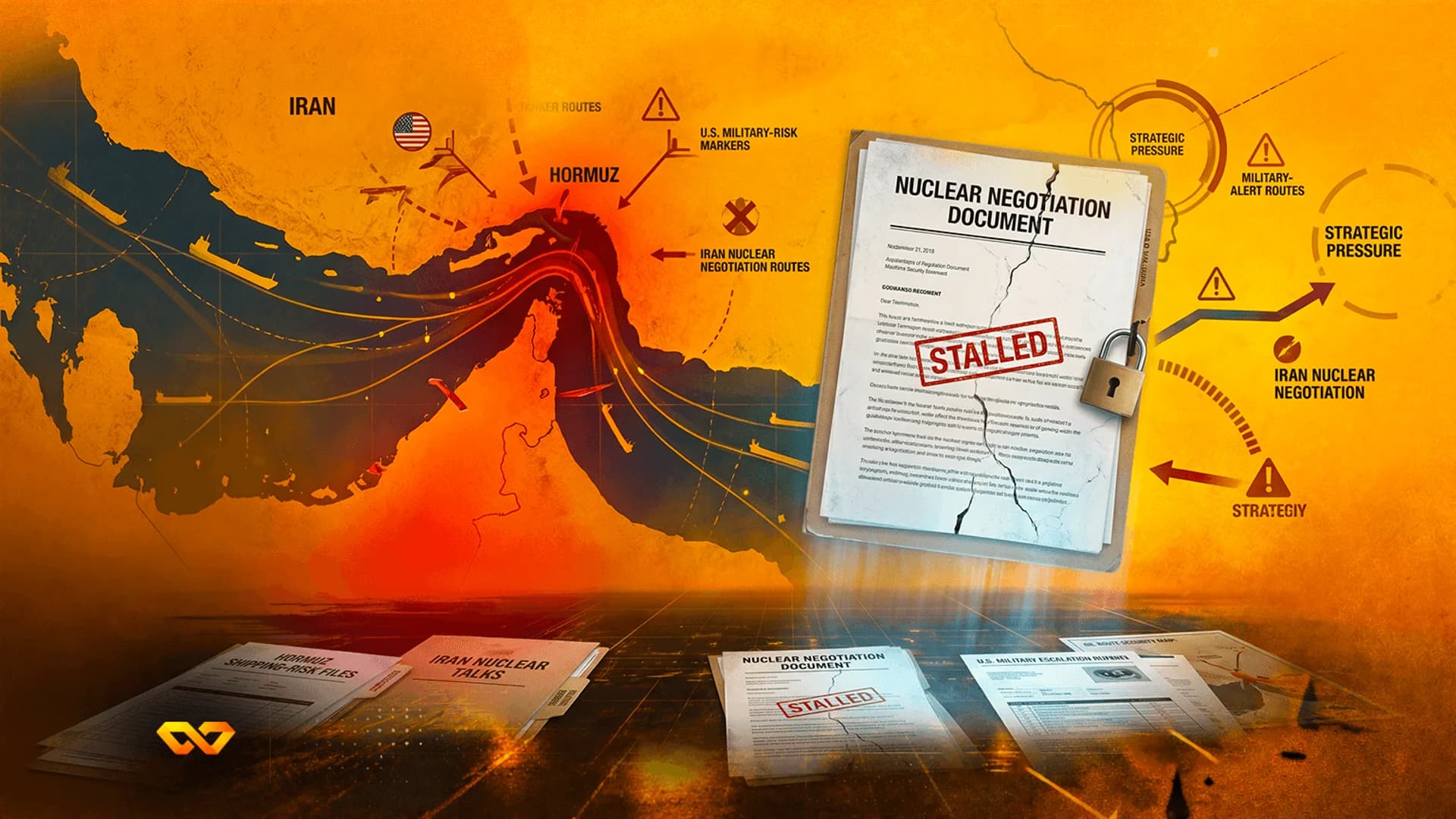
In a move reflecting escalating geopolitical tensions in one of the world's most critical energy corridors, U.S. forces have conducted a direct military strike in the Strait of Hormuz. U.S. Central Command confirmed it disabled a fifth vessel defying the maritime blockade using a Hellfire missile. This kinetic enforcement comes as diplomatic efforts to revive the Iran nuclear deal have reached a definitive stalemate, prompting Washington to increase military pressure in the region.
These confrontations raise significant market concerns regarding global oil supply chains, as approximately one-fifth of global crude consumption transitions through this waterway. Historically, such frictions lead to immediate spikes in Brent crude prices and risk-off sentiment in global equities per market data. Traders are currently weighing the risk of Iranian retaliation against a backdrop of weakening global demand, noted by China's FDI falling -10.3% as of May 25, 2026, which may partially offset supply-side shocks.
Investors should closely monitor energy prices and safe-haven assets like gold as military activity intensifies. Key catalysts to watch include the API Crude Oil Stock Change report on May 27, 2026, and the U.S. GDP Growth Rate data on May 28, which previously showed a 1.6% expansion. These data points will be essential in assessing the global economy's resilience to potential energy cost increases stemming from the ongoing blockade enforcement.