
Bitcoin Capital Outflows Surge Past $40B as Whale Selling Reshapes Market Structure
Key Facts
In a move reflecting a profound shift in crypto market dynamics, Bitcoin has recorded capital outflows exceeding $40 billion over the past week. According to reports, this sharp exodus was driven by intensified selling activity from large-scale 'humpback' whales, significantly dampening market sentiment. On-chain data suggests that these fundamental changes in market structure may keep Bitcoin in a bearish state over the near to mid-term.
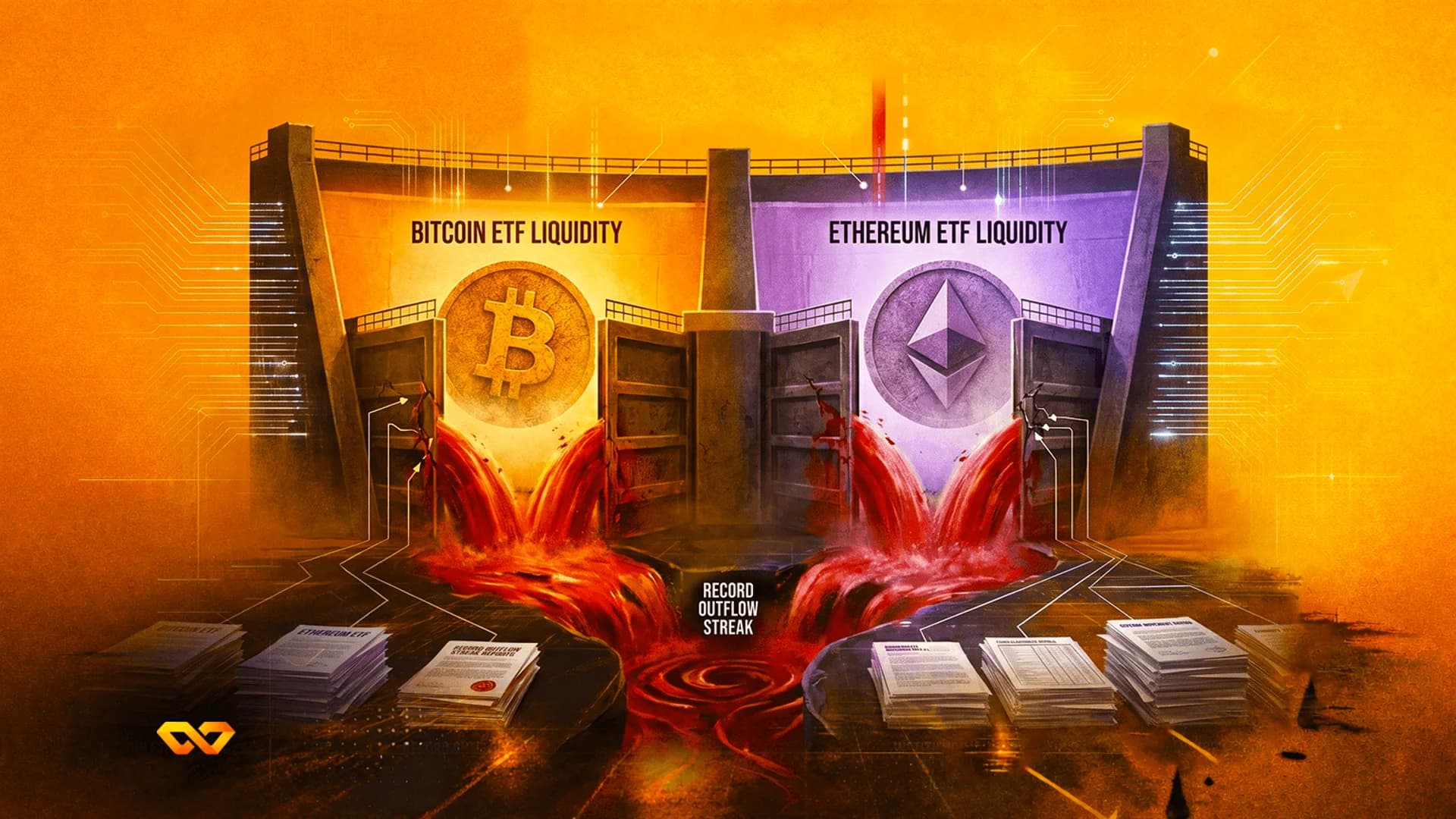
This latest downturn far exceeds the previous $4 billion outflow seen in spot ETFs, signaling a broader liquidity drain across the entire ecosystem. Compared to altcoin performance, market data shows similar pressure on Ethereum as institutional appetite continues to wane per market data. Analysts suggest that the aggressive whale selling indicates a comprehensive risk reassessment amidst prevailing macroeconomic uncertainties.
Traders should closely monitor key technical support levels, as Bitcoin remains at a pivotal juncture as of late May 2026. Looking at the economic calendar, the Core PCE Price Index, which printed at 0.2% on May 28, 2026, remains a primary driver for interest rate expectations. Upcoming commentary from Federal Reserve officials in June will be essential for determining if this bearish structural shift persists.
Latest Updates · 2
- Notable·
Update: Selling pressure intensified as short-term holders moved 107,760 BTC in a single day, signaling growing nervousness among retail-adjacent participants. This movement aligns with historical data showing Bitcoin has never sustained three consecutive months of gains during bear-market years, placing May 2026 on track for a negative close.
- Notable·
Update: In contrast to institutional exits, recent market data reveals a growing trend among retail traders to buy the dip and absorb available supply. This retail activity is acting as a partial counter-balance that may limit the downward pressure caused by persistent ETF outflows.