
Iranian Missile Strike on US Base in Kuwait Threatens Ceasefire Deal
Key Facts
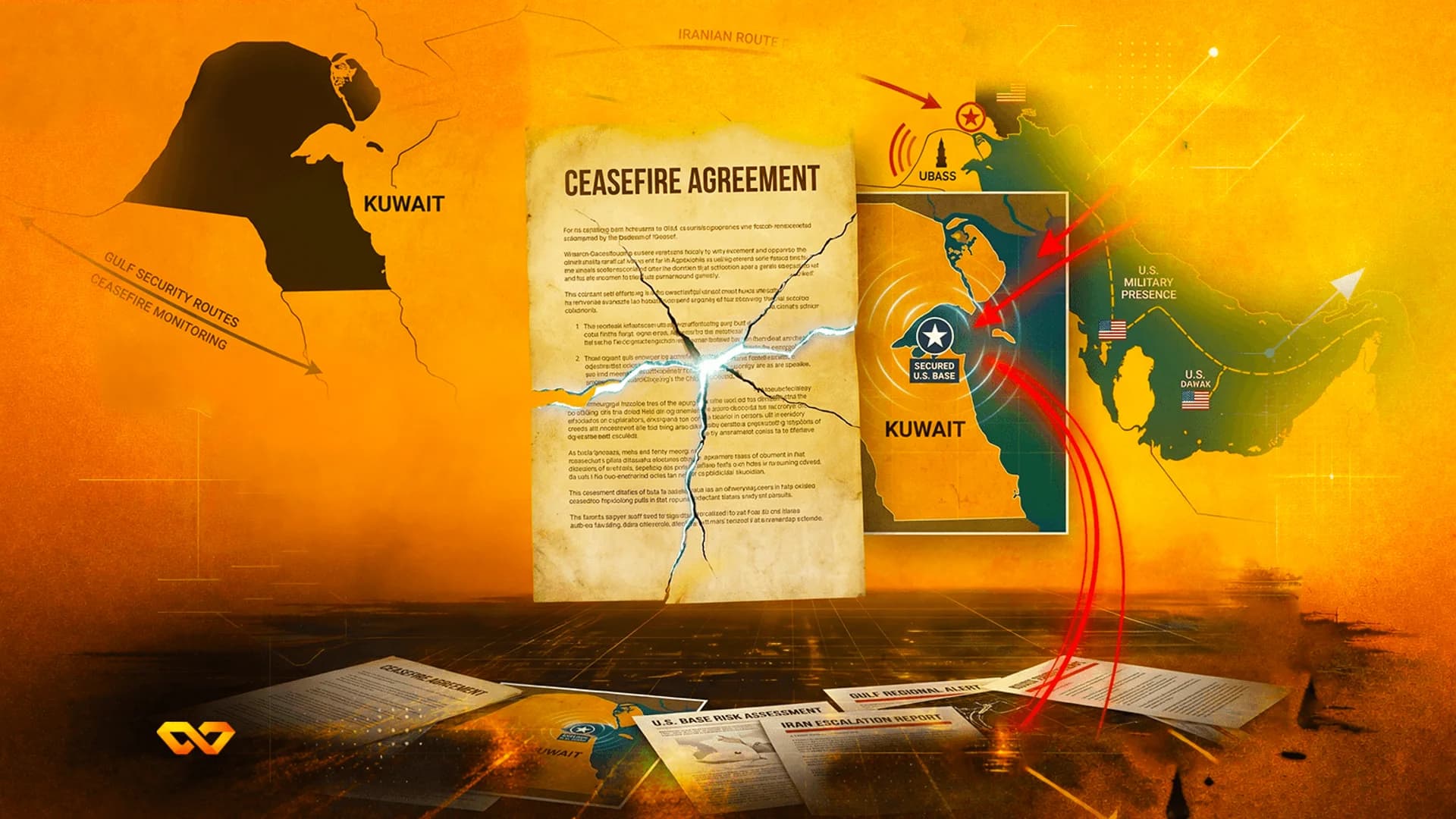
In a move reflecting the fragile geopolitical stability in the Gulf, Kuwaiti air defenses intercepted an Iranian Fateh-110 ballistic missile targeting Ali Al Salem Air Base. Missile debris injured five Americans and destroyed one MQ-9 Reaper drone while severely damaging another. This sudden escalation occurred despite the US and Iran reaching a tentative MOU to extend a ceasefire by 60 days and restart nuclear talks.
The incident raises market concerns regarding the return of geopolitical risk premiums, especially as it coincides with regional tensions over the Strait of Hormuz. Looking at defensive assets, gold and oil prices have historically shown volatility following similar strikes as investors weigh Washington's "maximum leverage" sanctions policy. Per market data, the targeting of high-value assets like the Reaper drone, which carries a significant replacement cost, represents a material escalation in friction.
Traders should watch for official US retaliation, which could invalidate the fragile ceasefire agreement. According to the economic calendar, the market is processing the Core PCE Price Index released on May 28, 2026, which showed a 0.2% monthly increase, as geopolitical strife often impacts inflation expectations via energy costs. Furthermore, US Consumer Confidence, which stood at 93.1 as of May 26, 2026, remains sensitive to broader military escalations in the Middle East.