
Fed Independence Under Fire Amid Trump Pressure and Iran Conflict
Key Facts
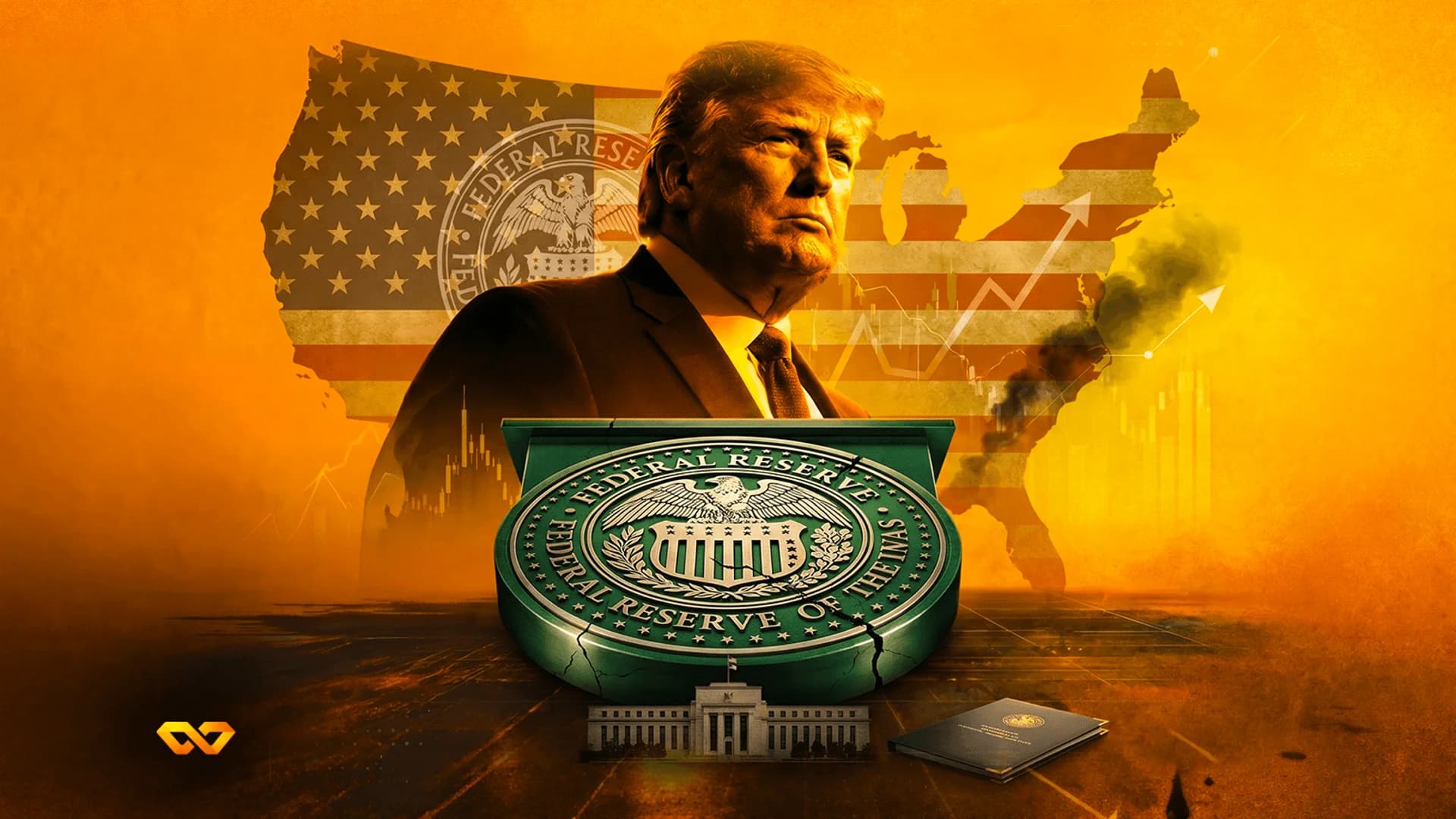
The U.S. Federal Reserve is facing a critical test of its institutional independence as economic realities collide with executive branch preferences. According to reports, the new Fed Chair Kevin Warsh is under significant pressure to raise interest rates to combat inflation driven by the ongoing U.S.-Iran conflict, despite President Trump's public demands for monetary easing. This friction highlights a growing divide between the central bank's mandate to stabilize prices and the administration's economic agenda amid geopolitical instability.
This policy dilemma unfolds against a backdrop of concerning economic indicators. Per market data from May 22, 2026, Michigan 1-Year Inflation Expectations rose to 4.8%, exceeding the 4.5% forecast. Furthermore, consumer sentiment has taken a hit, with the Michigan Consumer Sentiment index dropping to 44.8 from a previous 49.8. These figures suggest that energy-driven price pressures are becoming embedded in consumer expectations, complicating the Fed's ability to remain dovish as requested by the White House.
Investors are now focused on upcoming communications from Fed officials to gauge the likelihood of a hawkish pivot. At the close of May 29, 2026, market volatility remains elevated as traders weigh the impact of geopolitical risks on monetary policy. The economic calendar highlights several key catalysts, including speeches by Fed governors Waller, Logan, and Cook, which will be essential for assessing the central bank's resolve in maintaining its inflation targets regardless of political pressure.