
US Headline PCE Inflation Jumps to 3.8% as Geopolitical Tensions Surge
Key Facts
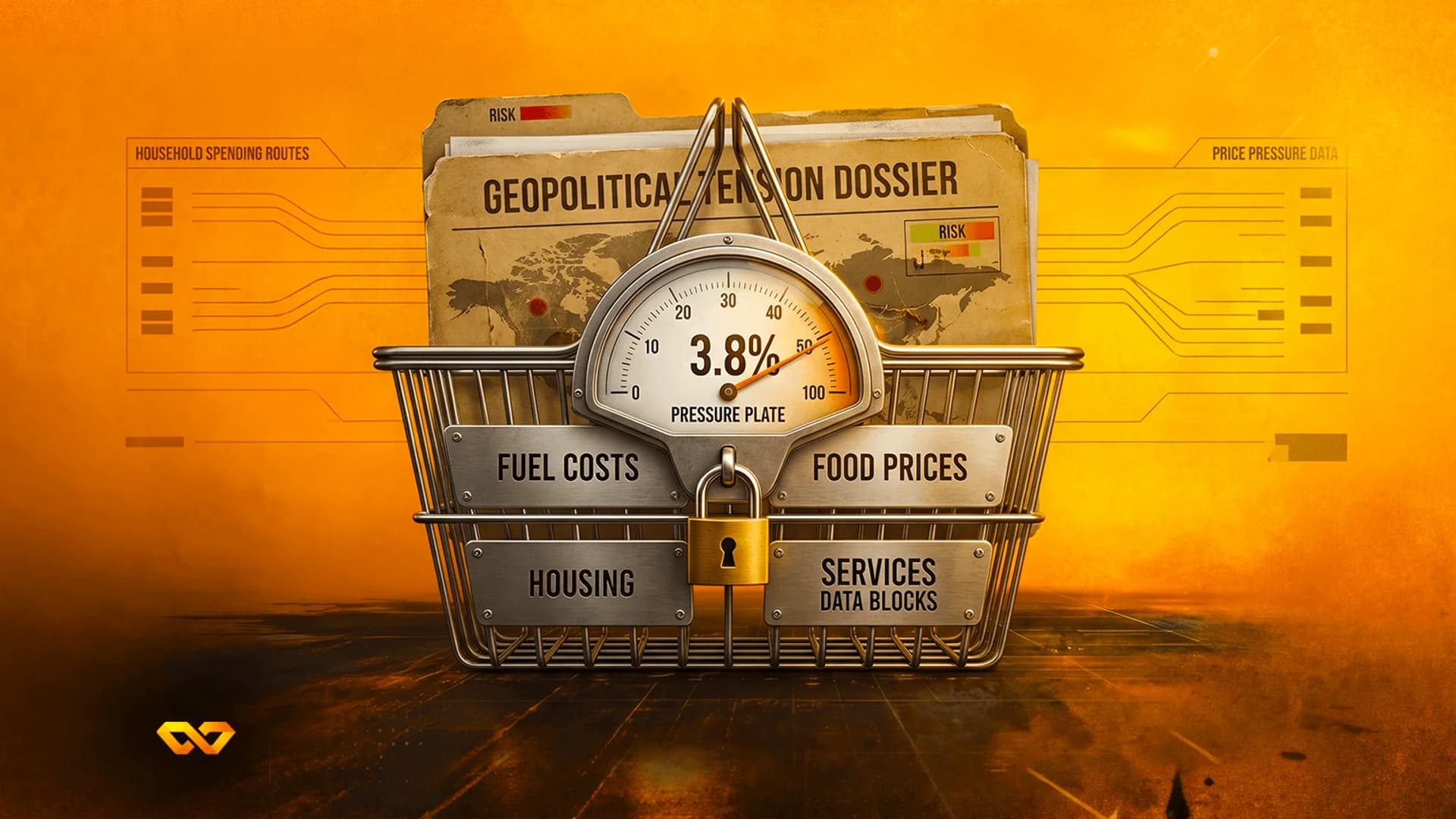
The U.S. headline PCE price index surged by 3.8% year-on-year in April, marking its most significant increase since May 2023. According to reports, the escalating war in Iran has triggered a sharp rise in food and energy prices, significantly worsening the domestic inflation outlook. While the core PCE rate accelerated to 3.3%, the monthly headline increase of 0.4% slightly missed the 0.5% consensus forecast, highlighting a complex inflationary environment driven by supply-side shocks.
This spike in inflation occurs as global energy markets react to geopolitical instability, with Brent crude prices trading above $90 per barrel per market data. In contrast to the U.S. trend, Japan's annual inflation remains significantly lower at 1.4%, underscoring the unique pressure on American consumer prices. Furthermore, the Michigan Consumer Sentiment index fell to 44.8, missing the 48.2 forecast, as households grapple with the eroding purchasing power caused by surging commodity costs.
Market participants should monitor commodity price volatility and its impact on the Conference Board Consumer Confidence index, which stood at 93.1 as of the May 26, 2026 close. With one-year inflation expectations hitting 4.8%, the focus shifts to whether the Fed will need to maintain restrictive rates to combat geopolitical price contagion. Upcoming retail spending and national activity data will be essential catalysts in assessing the economy's resilience to these ongoing external shocks.
Latest Updates · 2
- Notable·
Update: The inflation data impacted the cryptocurrency market, with Bitcoin (BTC) sliding toward $73,300 following the release. New data confirmed that the 3.8% year-over-year PCE increase exactly matched analyst forecasts, fueling concerns over sustained price pressure across risk assets.
- Notable·
Update: Additional data revealed mounting pressure on household balance sheets as the personal savings rate plunged to its lowest level since June 2022. This decline follows stagnant personal income growth, which remained flat at 0.0% MoM in April, forcing consumers to dip into savings to fund a 0.5% increase in nominal spending.