
Trump Denies Iran Deal on Hormuz Traffic Amid New Military Strikes
Key Facts
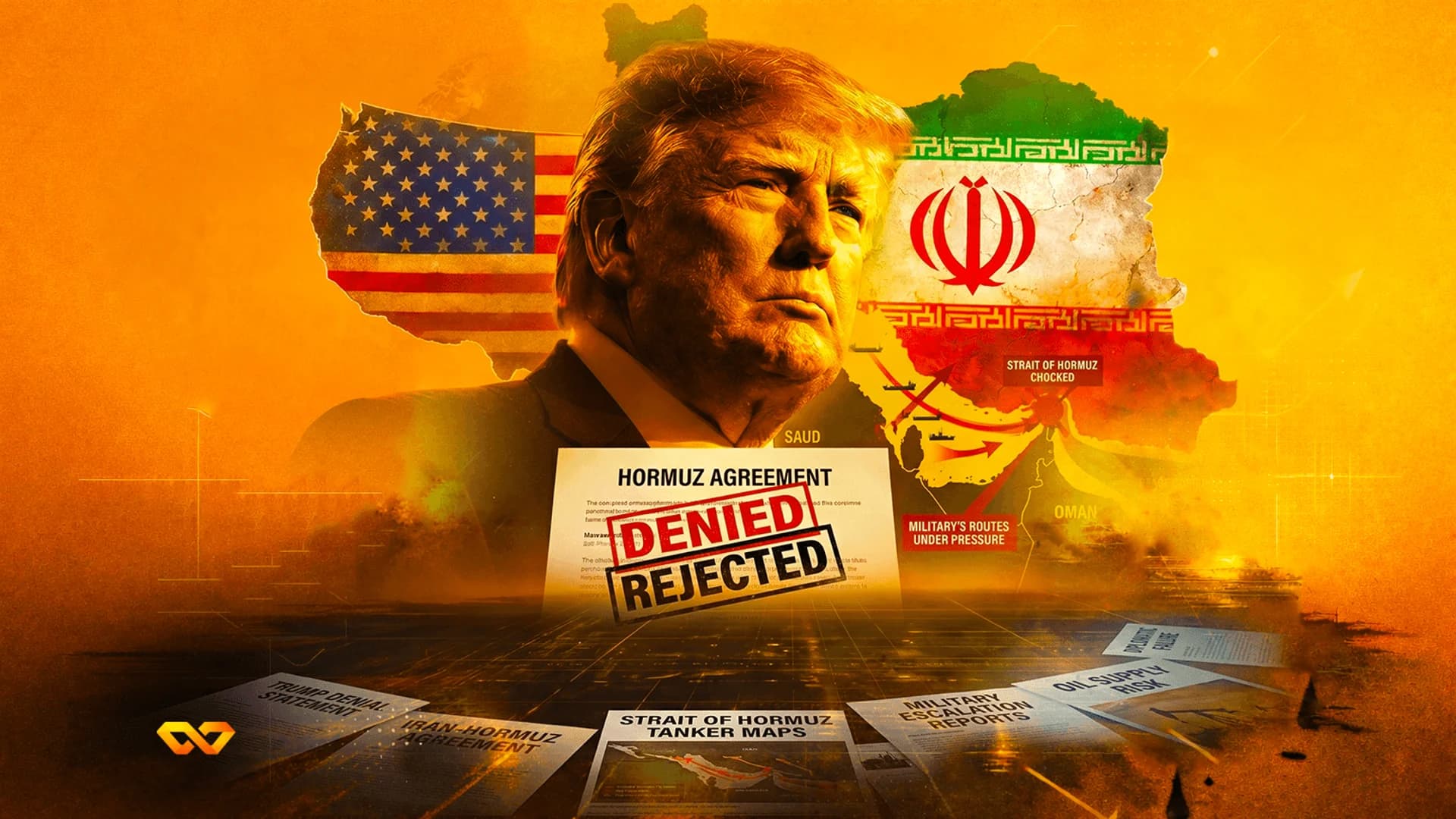
Amid escalating geopolitical tensions threatening global trade routes, US President Trump denied Iranian reports claiming a draft memorandum of understanding had been reached to restore traffic flow in the Strait of Hormuz, calling the claims a complete fabrication. According to reports, the US response extended beyond diplomacy, as American forces conducted new defensive attacks against an Iranian military site. These developments dampen market hopes for a near-term resolution to maritime friction in one of the world's most critical energy corridors.
This escalation reflects persistent uncertainty in the Gulf region, which traditionally weighs on global risk sentiment. Looking at broader economic performance, the US Manufacturing PMI showed relative strength at 55.3 (as of May 21, 2026), exceeding the forecast of 53.8 per market data. Conversely, European economies face contractionary pressures, with Germany's Manufacturing PMI printing at 49.9, remaining below the neutral growth threshold.
Traders should closely monitor commodity markets, as tensions in the Strait of Hormuz typically increase volatility in crude oil prices.