
Super El Nino Threatens Asia Energy Security Amid Supply Strain
Key Facts
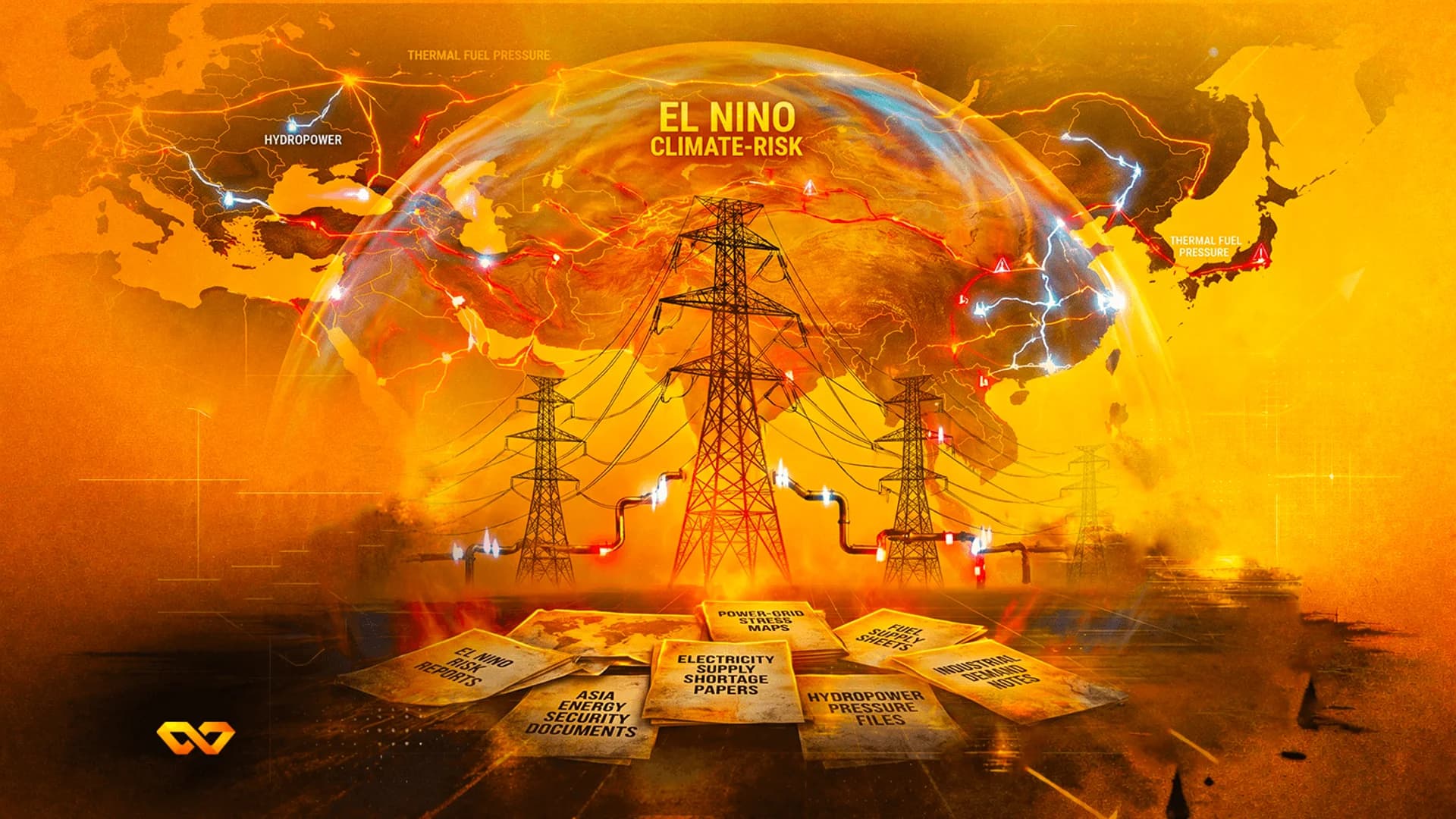
Current climate projections are aligning with growing economic concerns regarding the stability of energy supply chains across Asian emerging and developed markets. According to reports, a 'Super El Nino' weather pattern threatens to strain regional power grids through extreme drought and record-breaking temperatures. These conditions are expected to drive a surge in energy demand for cooling while simultaneously reducing hydroelectric output due to water shortages, placing regional energy security under a double strain.
This climatic threat arrives at a sensitive juncture for commodity markets, as Asian nations are already competing for limited global oil and gas supplies. Looking at regional economic performance, South Korea's consumer confidence rose to 106.1 on May 21, 2026, beating forecasts of 96, indicating robust consumer activity that could face headwinds from rising utility costs. Meanwhile, Japan's core inflation stood at 1.4% YoY as of May 21, reflecting relatively stable price pressures prior to the potential impact of an energy crunch.
Investors should closely monitor how these conditions affect industrial productivity and input costs in major economies like China and India. On the economic calendar, markets are awaiting GDP data from Germany and trade balance figures from Turkey on May 22, 2026, to gauge global resilience to supply shocks. If drought conditions persist, utilities may be forced to increase reliance on LNG, potentially pushing fuel futures toward critical levels in the coming months.