
Oil Prices Surpass $90 Following US Strikes on Iranian Military Sites
Key Facts
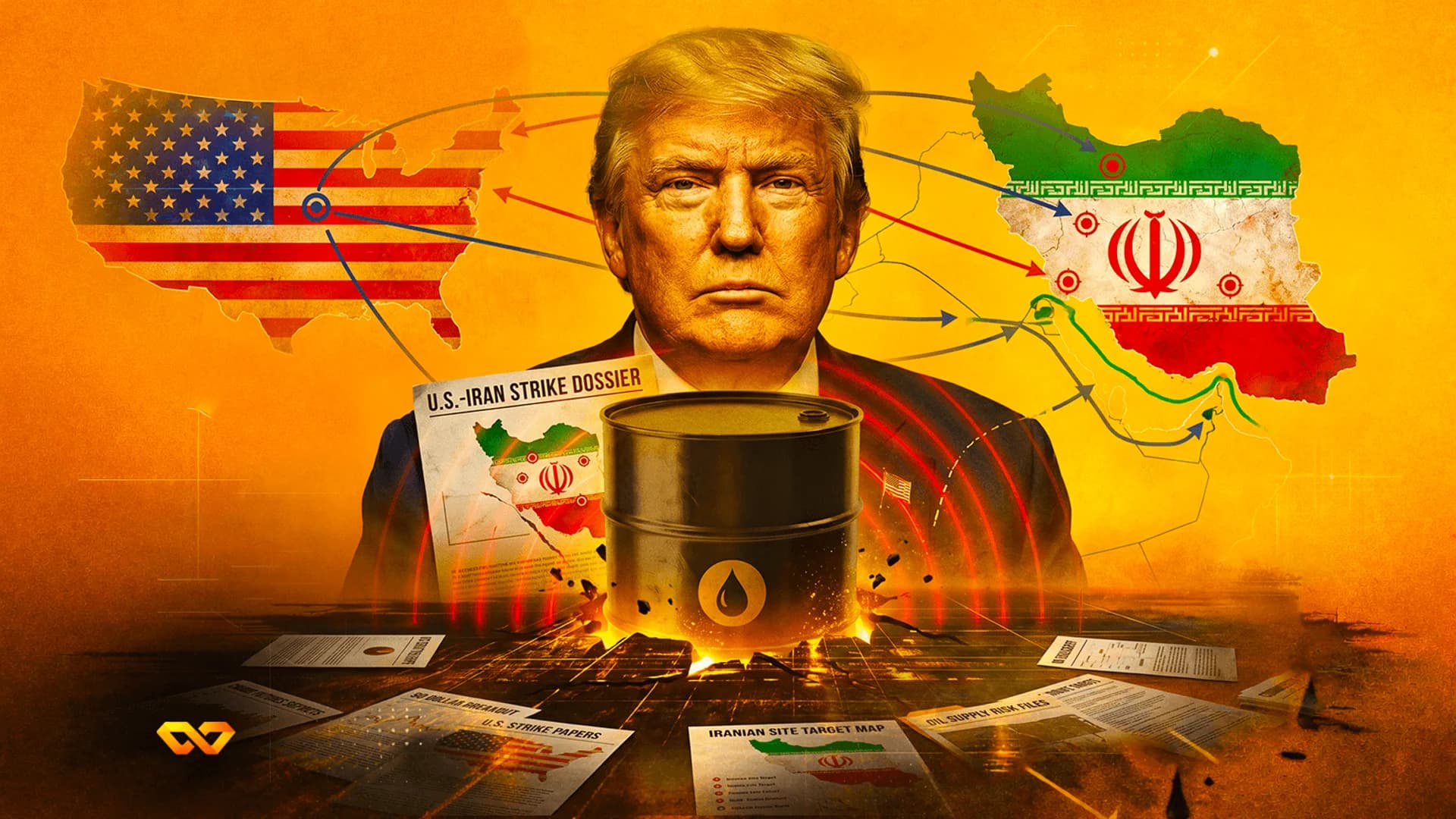
Amid escalating geopolitical tensions in the Middle East, oil prices have rebounded as markets react to renewed supply disruption risks. U.S. crude futures rose by more than $1 to trade above the $90 per barrel threshold on Thursday. This price action followed reports that the U.S. military carried out new strikes on an Iranian military site, occurring even as diplomatic peace talks remain underway in the region.
This price surge comes as traders closely monitor the security of vital waterways, particularly the Strait of Hormuz, which handles approximately 20% of global oil consumption. In a broader context, energy giants like ExxonMobil and Chevron have seen mixed performance recently, while analysts at Goldman Sachs suggest that geopolitical risk premiums may remain elevated as long as direct threats to oil infrastructure persist (per recent research reports).
Technically, WTI crude has established a foothold above the $90 psychological support level as of the close on May 27, 2026. Investors are now looking toward upcoming economic catalysts, including Manufacturing PMI data from the U.S. and the UK listed in the economic calendar, which will provide critical insights into global industrial health and its subsequent impact on fuel demand.
Latest Updates · 2
- Notable·
Update: The fresh round of U.S. strikes has cast significant doubt on the viability of a potential peace deal in the region, heightening market fears of prolonged instability. Observers note that this military escalation weakens the diplomatic path, effectively maintaining the geopolitical risk premium in energy prices.
- Notable·
Update: These military developments are particularly significant as they occur despite an active ceasefire agreement between Tehran and Washington, raising questions about the sustainability of diplomatic efforts. Observers suggest that this escalation during peace talks could further inflate the risk premium in energy markets due to the heightened probability of a collapse in the fragile truce.