
Middle East Tensions Surge: US Strikes Iran as Israel Orders Lebanon Evacuations
Key Facts
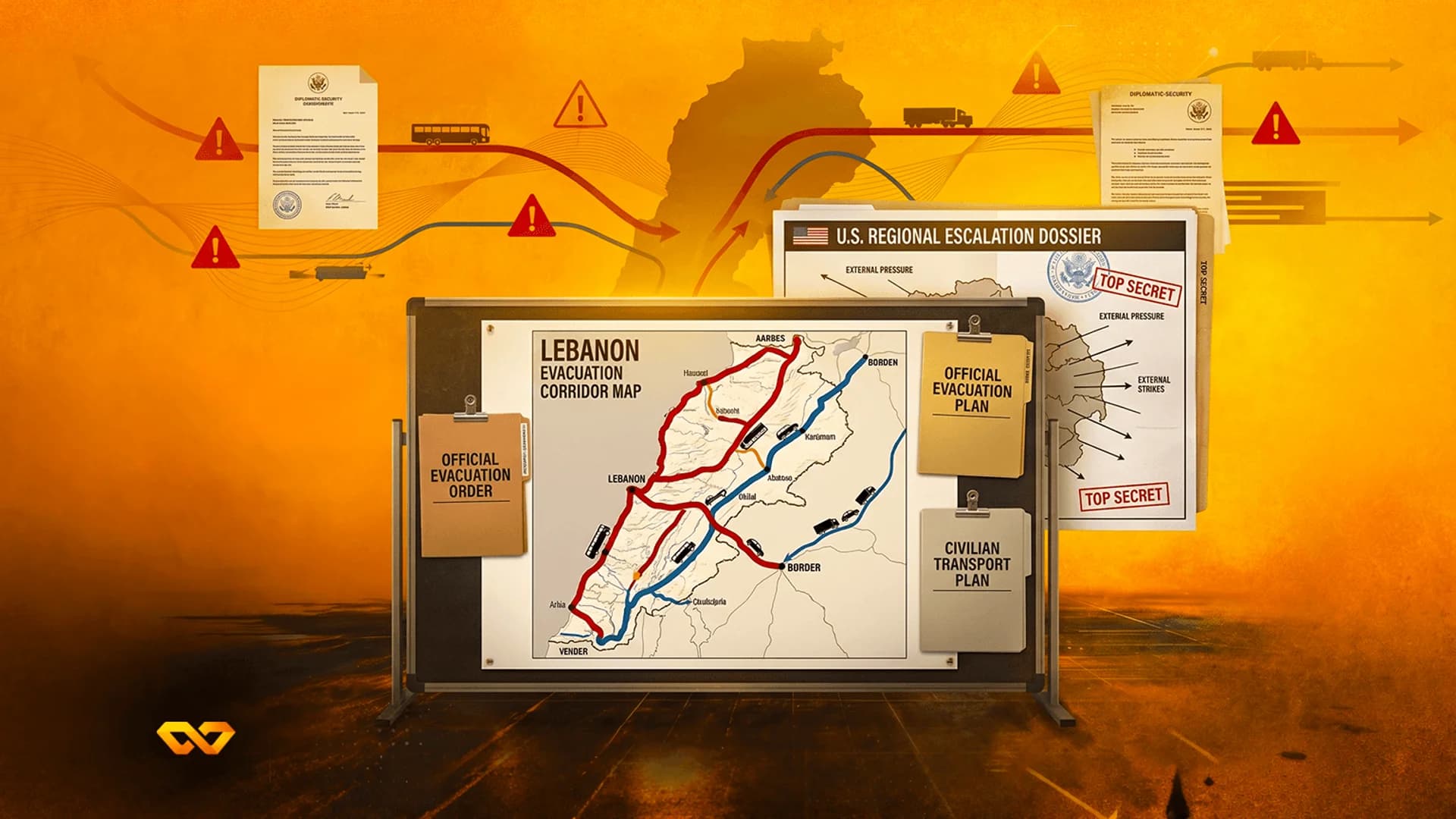
In a move reflecting a sharp deterioration in regional stability, the Middle East has witnessed a large-scale military and diplomatic escalation. President Trump stated that the United States is dissatisfied with the progress of talks with Iran, dismissing leaked deal terms as a complete fabrication. Simultaneously, US forces conducted another defensive strike against Iranian targets, vowing to prevent Iranian or Omani control of the strategic Strait of Hormuz, while Israel issued mass evacuation orders in southern Lebanon as the conflict with Hezbollah intensifies.
This escalation comes at a sensitive time for global energy markets, as approximately 20% of the world's oil supply passes through the Strait of Hormuz according to US Energy Information Administration (EIA) data. The current tension has increased the geopolitical risk premium, reminiscent of previous disruptions that caused sharp volatility in oil prices. Compared to the previous quarter, search-based analyst reports indicate that the intensity of US diplomatic rhetoric toward Tehran has reached levels not seen in years, dampening hopes for a near-term de-escalation.
Looking ahead, traders are closely monitoring any physical disruption to shipping in the Strait of Hormuz as a decisive factor for crude prices. On the economic front, markets are awaiting South Korean Consumer Confidence and New Zealand Retail Sales data on May 21, 2026, which may provide signals regarding global risk appetite under these conditions. Volatility levels are expected to remain elevated as long as evacuation orders and direct military operations continue in the region.