
Gulf Tensions Surge as US Strikes Iranian Sites Near Bandar Abbas
Key Facts
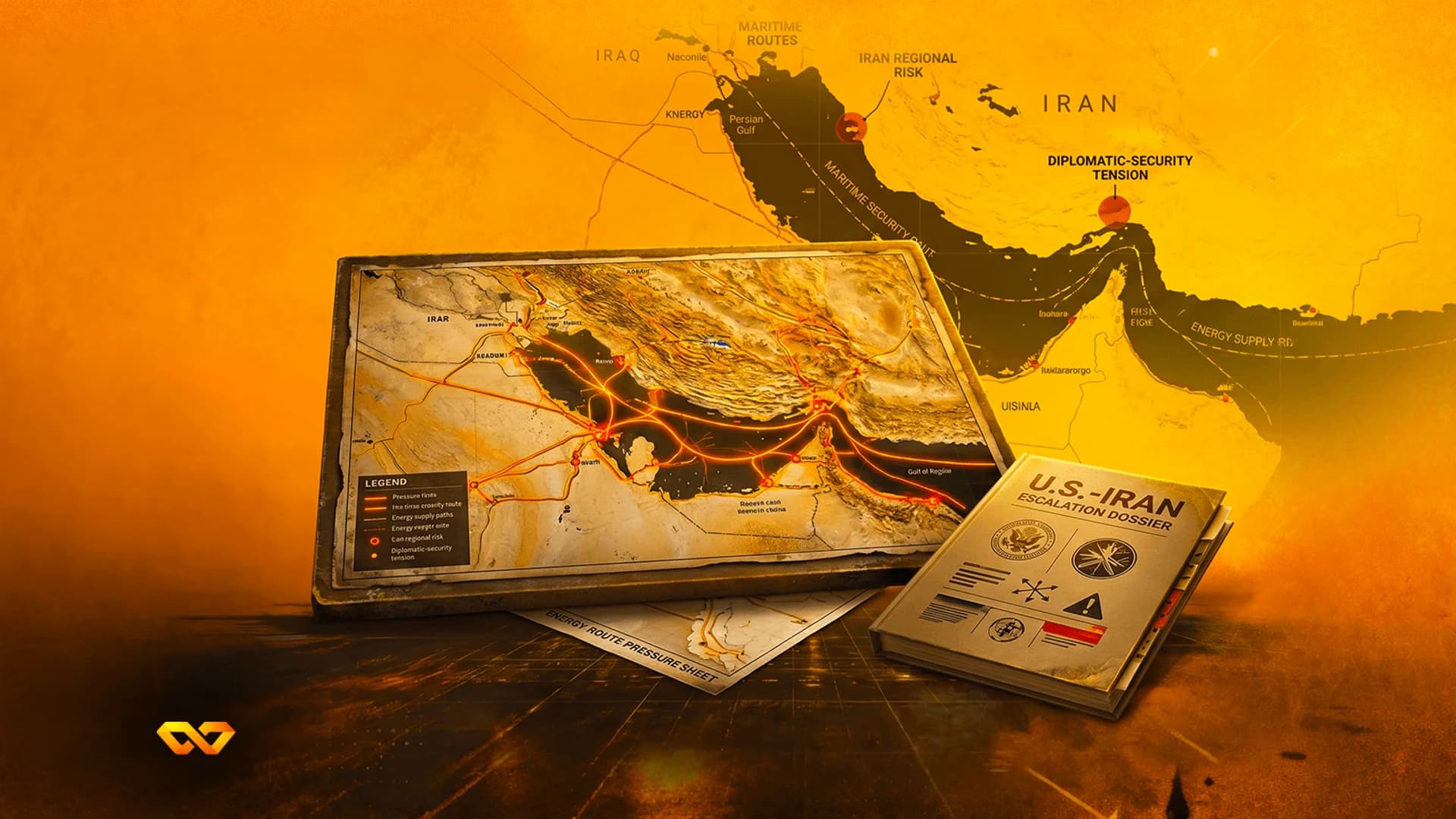
Geopolitical risks have returned to the forefront of global markets, shattering recent hopes for regional stability. A US official confirmed military strikes against an Iranian site near Bandar Abbas and the interception of four attack drones launched toward naval and commercial vessels. These operations caused sharp volatility in oil prices during the Asia-Pacific session, as the 'peace dividend' sentiment reversed following the collapse of imminent ceasefire expectations.
This escalation occurs amid a fragile global economic backdrop, with market participants closely monitoring potential disruptions in the Strait of Hormuz. According to market data, traditional safe-haven assets such as Gold and the Japanese Yen saw increased bids as risk appetite soured across Asian equity desks. Historical comparisons from earlier this year suggest that such hostilities often lead to immediate risk premiums in Brent crude, which has previously tested levels above $90 per barrel during similar periods of heightened friction.
Traders should remain alert to further military developments and official statements from Washington and Tehran. Looking ahead, the economic calendar features German GDP and UK Retail Sales on May 22, 2026, which will be critical in assessing whether geopolitical tensions are beginning to weigh on broader consumer and industrial confidence.