
Hormuz Tensions Escalate After US Strikes; Brent Forecast to Hit $120
Key Facts
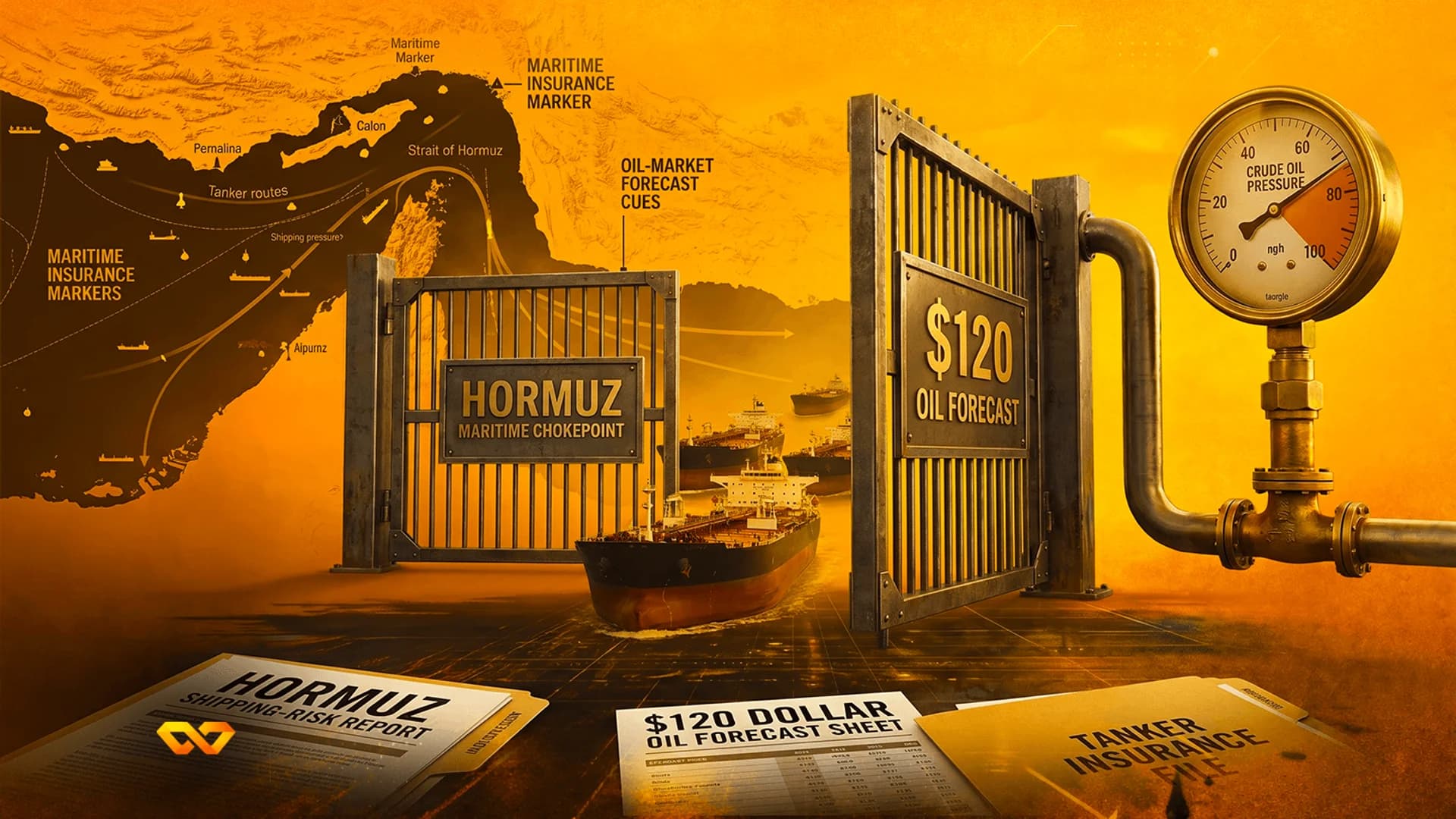
Amid escalating geopolitical risks threatening global energy corridors, the US military confirmed strikes against Iranian assets in the Strait of Hormuz, targeting speedboats involved in mine-laying operations. According to reports, these military developments have left approximately 1,500 ships trapped in the strait amid conflicting guidance regarding maritime safety. These actions represent a strategic response to direct threats against international trade in one of the world's most critical waterways.
The disruptions are fueling widespread fears of a supply shock, with Rabobank analysts forecasting Brent crude to average $120 per barrel in Q3 if complications persist. Compared to previous regional frictions, the current blockage in Hormuz poses a systemic threat to energy markets as nearly one-fifth of global oil consumption passes through the strait daily. Per market data, investment funds are closely monitoring crude prices, which have begun pricing in a significant geopolitical risk premium due to the ongoing logistics backlog.
Traders should watch for volatility in oil futures as the market awaits clarity on US Navy escort protocols for commercial vessels. Looking at the economic calendar, these tensions are likely to weigh on market sentiment ahead of key data releases, such as the US Manufacturing PMI on May 21, 2026. Continued focus remains on any further military escalation that could drive prices beyond Rabobank’s current $120 projections.