
Gold Slips as US-Iran Tensions Escalate, Fueling Inflation Fears
Key Facts
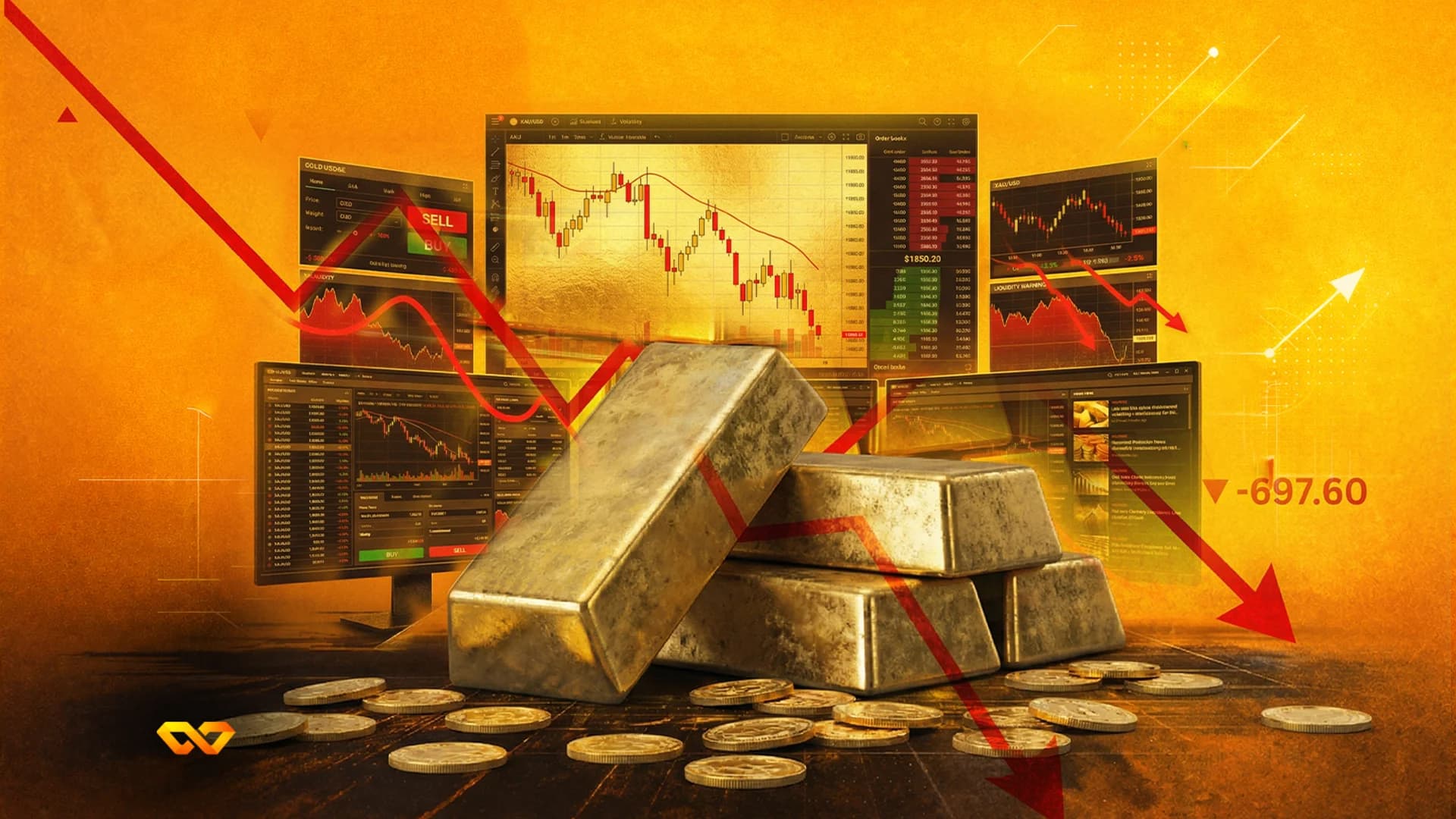
In a sharp reversal of geopolitical sentiment, gold prices slipped as escalating tensions between the U.S. and Iran drove oil prices higher, sparking concerns over renewed inflationary pressures. According to reports, this escalation has paradoxically weighed on the precious metal as investors weigh the risks of conflict against the likelihood of prolonged high interest rates to combat energy-driven inflation.
This shift follows a brief period of diplomatic optimism, with rising crude prices now threatening to exacerbate global inflation trends, which recently stood at 2.8% in both the UK and Canada as of May 19-20, 2026, per market data. Peer metals like silver and platinum have shown mixed reactions according to market data, while traders monitor the impact of energy costs and supply chain risks in the Strait of Hormuz on broader market stability.
Looking ahead, market participants are focused on the FOMC Minutes scheduled for release on May 20, 2026, to gauge how these developments might influence monetary policy. Key upcoming catalysts include the Fed Waller speech and the EIA Weekly Petroleum Report, as energy data is expected to remain a primary driver for gold's price action in the coming days.
Latest Updates · 1
- Notable·
Update: Pressure on gold has broadened as a strengthening U.S. Dollar and rising expectations for Federal Reserve rate hikes weigh on the metal. Additionally, lingering uncertainty regarding the actual prospects of an Iran peace deal has fueled market volatility, forcing investors to weigh geopolitical risks against a more hawkish monetary outlook.