
European Gas Prices Sink 5% on Hopes for US-Iran Diplomatic Breakthrough
Key Facts
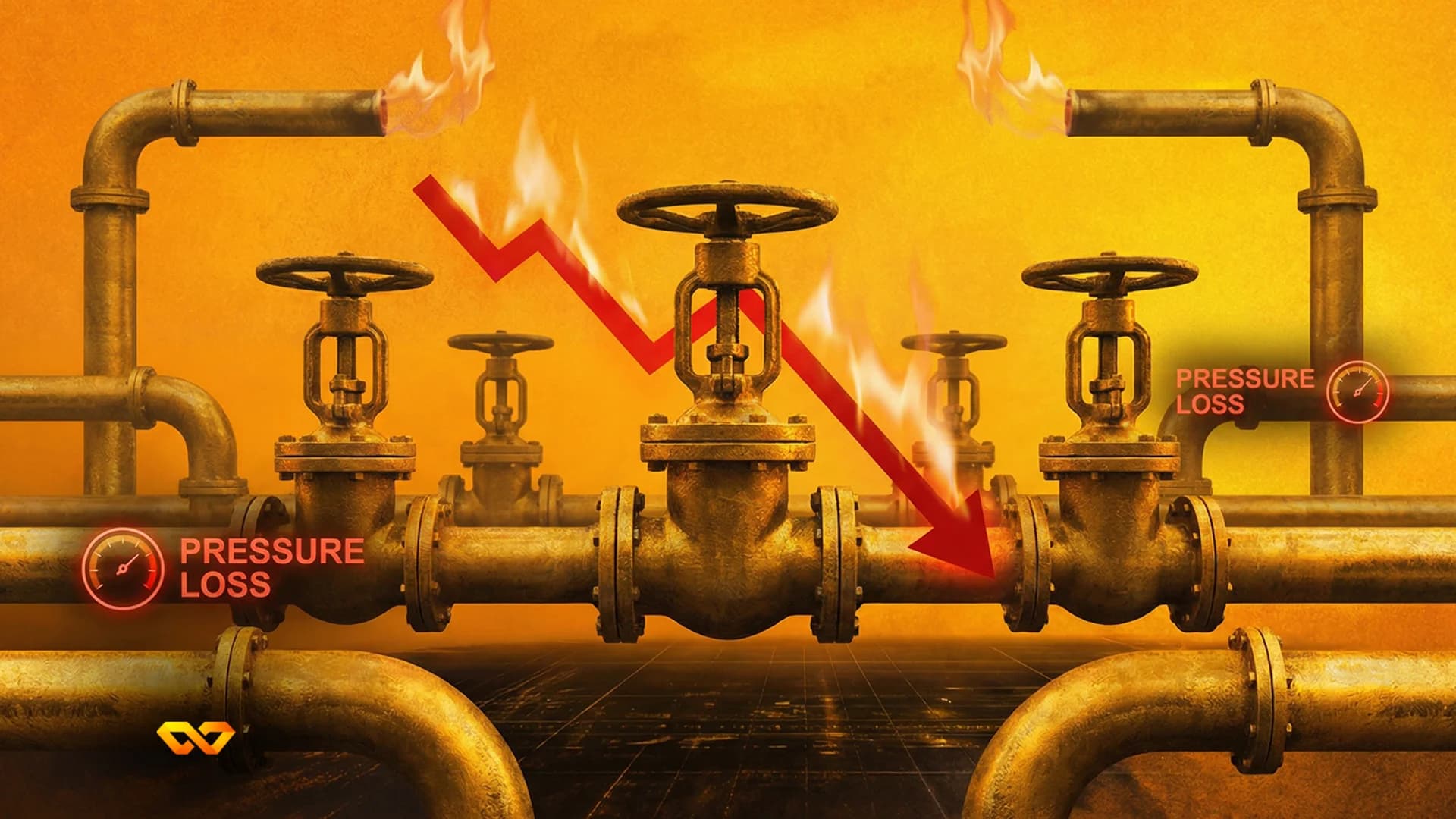
In a move reflecting a reduction in geopolitical risk premiums across energy markets, European natural gas prices fell by 5% today. The decline was driven by signs that the United States and Iran are moving closer to a deal aimed at reopening the Strait of Hormuz. According to reports, this diplomatic progress could directly contribute to securing global energy supply chains and reducing the likelihood of disruptions in vital maritime corridors.
This drop comes as markets await inventory data, with previous figures from the American Petroleum Institute (API) showing a sharp decline in crude stocks by 9.1 million barrels as of May 19, 2026, highlighting volatility in overall energy supply. In a broader context, traders are monitoring the performance of energy majors such as Shell and BP, whose margins are sensitive to gas price fluctuations, per market data indicating high sector reactivity to Middle Eastern tensions.
Looking ahead, investors are watching for additional inflation data that could impact industrial gas demand, especially after Germany's annual PPI reached 1.7% on May 20, 2026. The upcoming economic calendar also features speeches from central bank officials that may provide clues on European economic growth. Market participants should watch technical support levels for gas contracts, as prices remain highly sensitive to official developments regarding the Strait of Hormuz.