
Stablecoins Emerge as Default Payment Layer for AI Agents
Key Facts
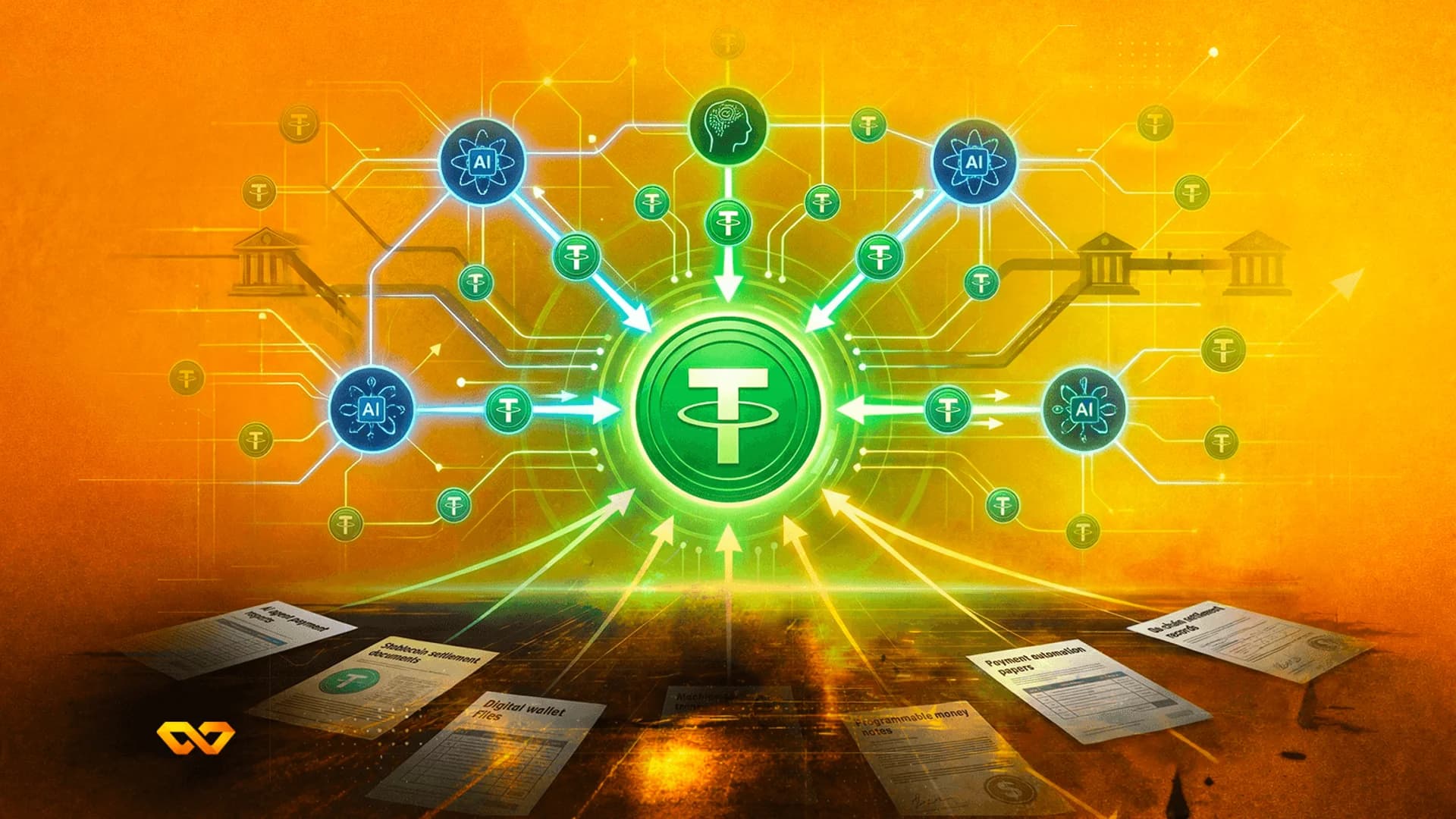
As autonomous digital economies evolve, stablecoins on blockchain rails have become the preferred payment layer for AI agents, according to a report from Keyrock. Traditional card payment systems struggle to process the high-frequency micropayments required by AI models to function effectively. Blockchain-based solutions offer a more scalable and flexible infrastructure for these automated transactions compared to legacy banking systems.
This shift occurs as tech giants seek seamless payment integration; market data indicates that traditional transaction fees often exceed the value of micropayments, whereas networks like Solana and Base maintain near-zero costs. In contrast to the digital growth, traditional retail sales in China (as of May 18, 2026) grew by a mere 0.2%, underscoring a pivot toward automated digital economic models as traditional consumer spending faces headwinds.
Investors should watch for increased adoption of stablecoins like USDC and USDT as primary settlement tools within major AI platforms. Looking ahead, traders will monitor Canada’s inflation data on May 19, 2026, for broader signals on fiat stability versus digital assets. While no single instrument is directly tied to this report, the focus remains on blockchain infrastructure providers supporting these emerging AI-driven capital flows.