
China Coal Mine Disaster Kills 82, Raising Energy Supply Concerns
Key Facts
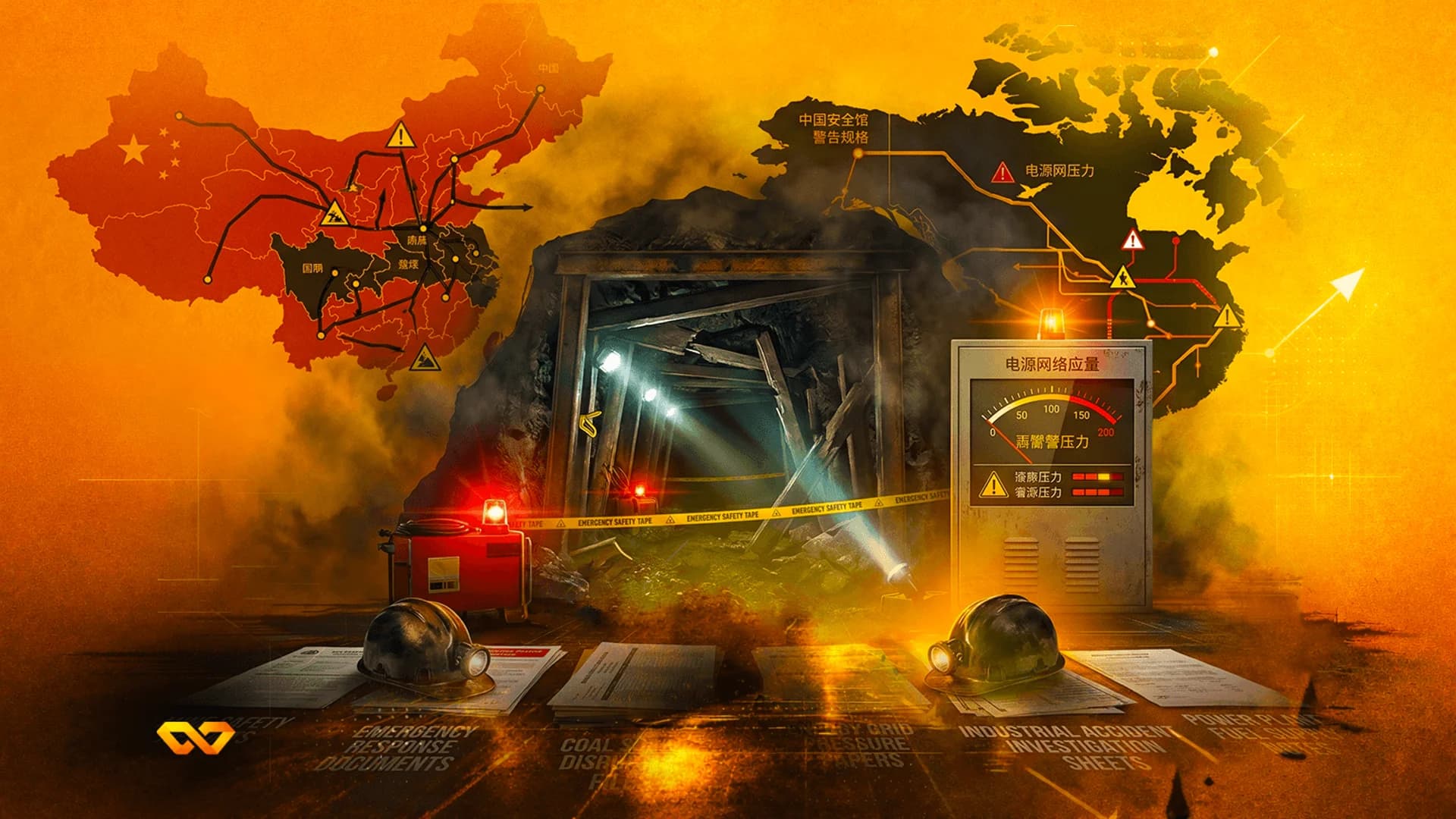
Amid intensifying pressure to boost domestic coal output to counter energy supply shocks, a massive explosion at the Liushenyu mine in Shanxi province has killed 82 people, marking China's deadliest mining disaster in years. According to reports, the National Mine Safety Administration had specifically flagged the facility as high-risk in 2024 due to elevated gas content. This tragedy underscores the precarious balance Beijing must maintain between industrial safety standards and the urgent national push for energy security.
The disaster is expected to trigger a wave of rigorous safety inspections and potential temporary mine closures across Shanxi, a critical hub for China's coal production. This potential supply tightening comes as the broader economy faces headwinds; per market data released on May 18, 2026, China's Industrial Production grew by only 4.1%, missing the 5.9% forecast. Furthermore, Fixed Asset Investment fell by 1.6% year-to-date, making the industrial sector highly sensitive to any energy price spikes resulting from supply disruptions.
Traders are now focused on the regulatory response, as stricter enforcement could support coal prices by limiting immediate availability. Market participants are looking toward the upcoming Press Conference in China (scheduled for May 18, 2026, per the economic calendar) for official guidance on energy policy and safety mandates. With the House Price Index already showing a 3.5% year-on-year decline as of mid-May 2026, any further instability in the energy sector could exacerbate the cautious sentiment currently prevailing in Chinese markets.