
Oil Shock Warning: 2008 'Train Wreck' Scenario if Hormuz Stays Closed
Key Facts
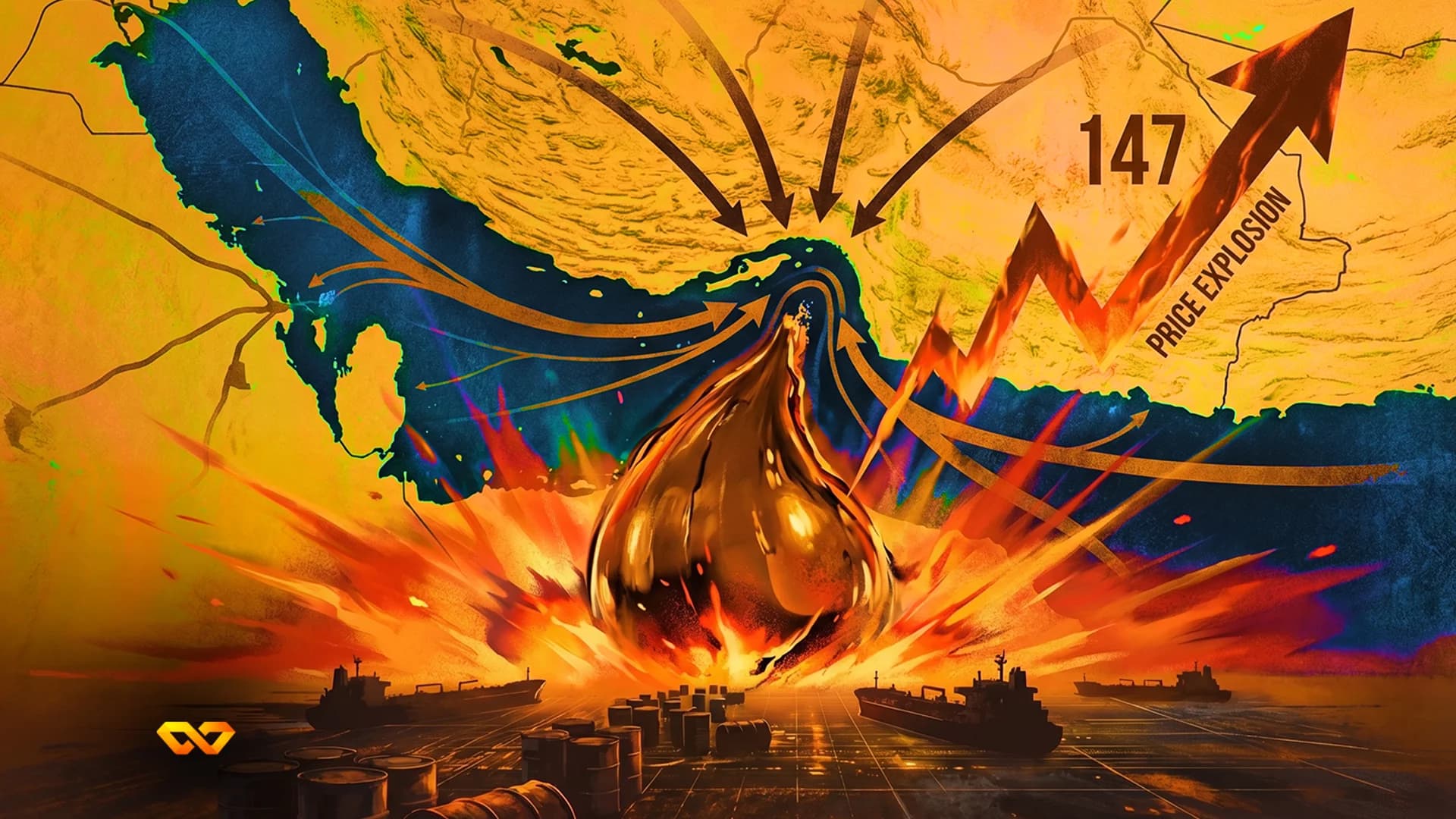
Amid escalating geopolitical tensions threatening global energy supply chains, commodity analysts have warned of a 2008-style 'train wreck' scenario if the Strait of Hormuz is not reopened by the end of August. According to reports, the prolonged closure of this vital waterway could drive Brent crude prices toward the $130 per barrel mark. Analysts suggest that the duration of the disruption poses a severe risk of a global economic downturn, mirroring the volatility seen just before the 2008 financial crisis.
These warnings come as markets grapple with mixed inflationary signals, with recent Chinese data showing industrial production slowed to 4.1% against expectations of 5.9%, per market data from May 18. Drawing parallels to historical spikes, energy experts note that oil reaching $130 would represent a massive surge from current levels, potentially forcing central banks to tighten monetary policy further to combat energy-led inflation, much like the dynamics observed in Q3 2008.
Looking at market action, Brent crude remains at elevated levels as geopolitical risk premiums expand. Traders should watch for upcoming inflation data and official statements regarding maritime security in the Arabian Gulf as primary catalysts for price direction. Additionally, the market will focus on next week's US petroleum status reports to gauge how physical supplies are being impacted by the ongoing regional tensions.