
Hormuz Chokepoint Faces Prolonged Closure Through 2026 as Iran Tightens Control
Key Facts
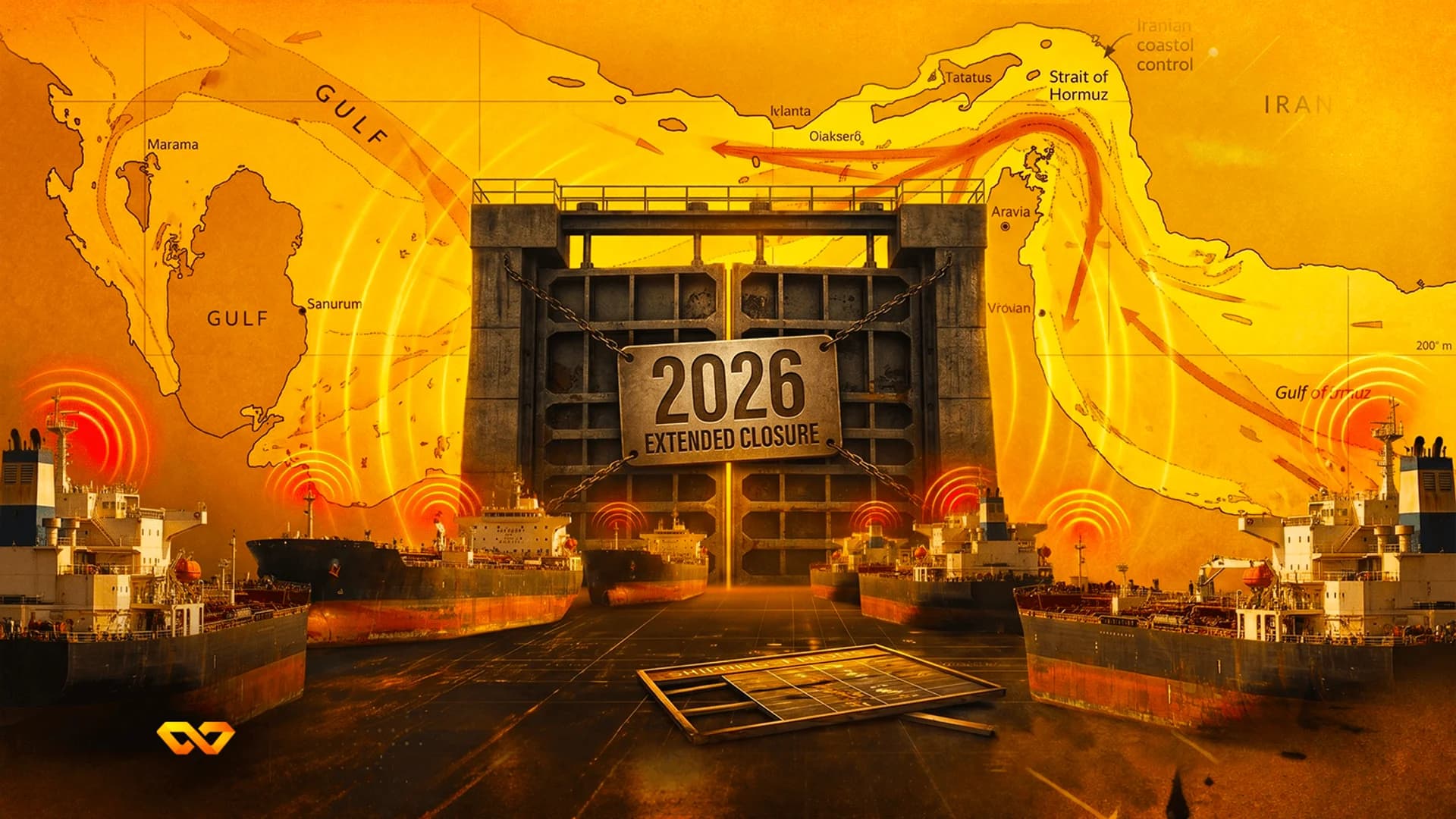
This escalation reflects a fundamental shift in global maritime security as Iran consolidates its control over the Strait of Hormuz. Maritime traffic through this critical chokepoint has collapsed by more than 90% from pre-conflict levels, according to Financial Times reports. Analysts suggest that a full reopening of the waterway in 2026 is unlikely, a development that may force major Asian energy importers into direct bilateral negotiations with Tehran to secure supply lines.
The prolonged closure poses a systemic risk to global energy stability, with Moody’s warning of severe consequences as the route handles 20% of global oil and LNG flows. Unlike previous disruptions, the current crisis is exacerbated by the withdrawal of insurance coverage and soaring war-risk premiums for Western vessels. Per market data, the shift toward alternative, longer shipping routes has significantly increased operational costs for global freight, impacting energy-dependent sectors across Europe and Asia.
Traders should monitor global energy benchmarks and inflation data, particularly following China's Industrial Production growth of 4.1% reported on May 18, 2026. Upcoming catalysts include the Reserve Bank of Australia's meeting minutes on May 19, which may provide insight into how central banks are pricing in sustained energy supply risks. With the 2026 outlook remaining bleak for the strait, any diplomatic shifts between Iran and its Asian counterparts will be primary drivers of market volatility.