
Strait of Hormuz Closure Triggers Global Energy Shock and Inflationary Pressures
Key Facts
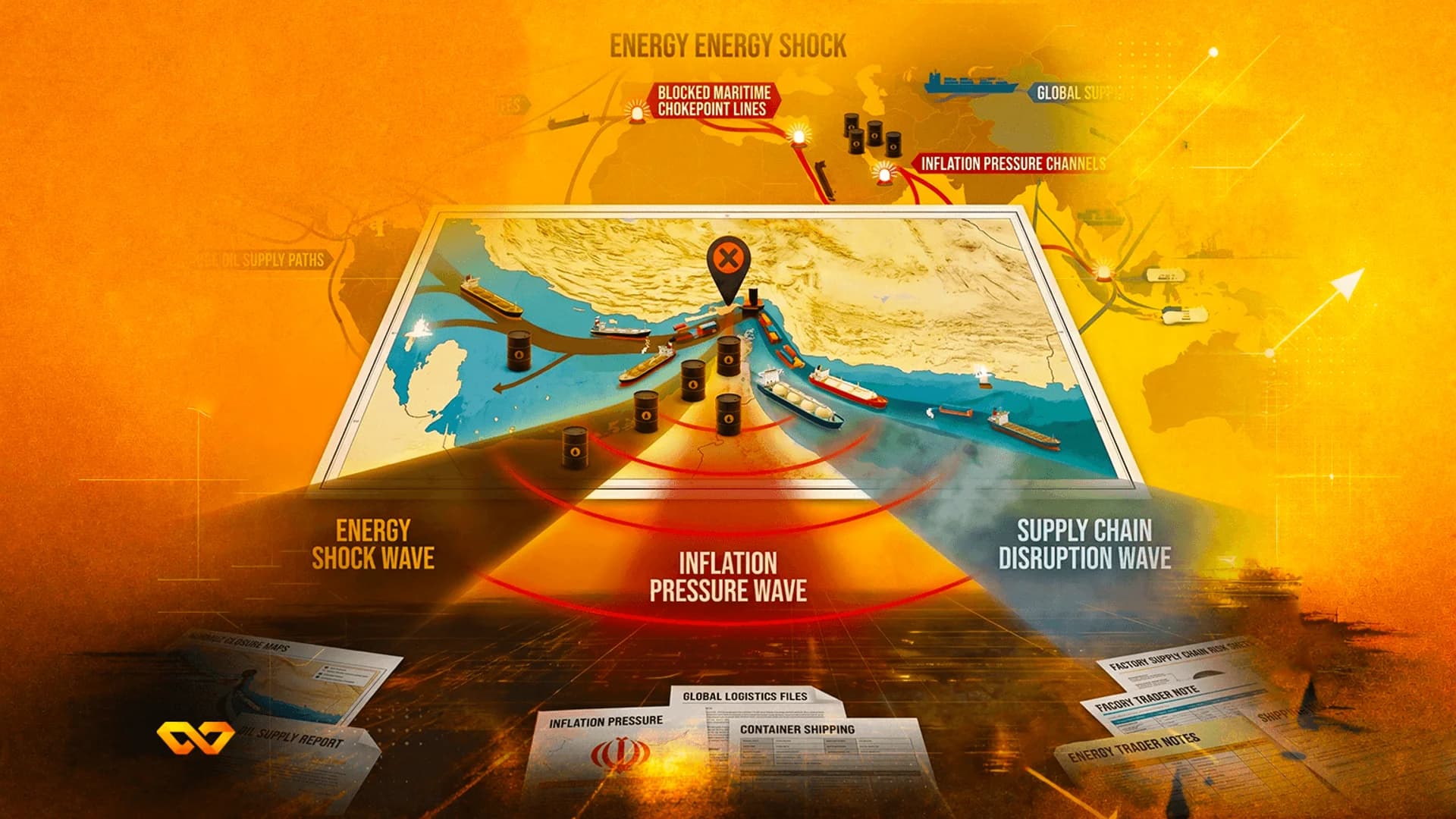
The ongoing closure of the Strait of Hormuz is triggering a cumulative global energy shock, intensifying supply chain stress and global inflationary pressures. According to reports, shipping giant Maersk is incurring an additional $500 million in monthly expenses due to these maritime disruptions. In response to escalating risks, UBS has reactivated its supply chain stress index to monitor the systemic economic fallout.
This crisis arrives at a sensitive juncture for the global economy, with market data showing immediate impacts on marine insurance and freight rates, echoing past periods of intense geopolitical tension. Compared to industry peers, investors are closely watching the ability of shipping firms to pass these costs to consumers, especially as annual inflation rates reached 5.6% in Russia and 1.9% in Malaysia per market data released on May 15 and 19, 2026.
Traders are currently monitoring the impact of this shock on global industrial production and retail sales data, particularly following disappointing Chinese retail sales of 0.2% reported on May 18, 2026. Looking ahead, attention remains fixed on official statements from major central banks, as these developments may force monetary policymakers to revise inflation forecasts in upcoming meetings.