
US Futures Slump and Oil Surges as Iran Rejects Trump's Uranium Demands
Key Facts
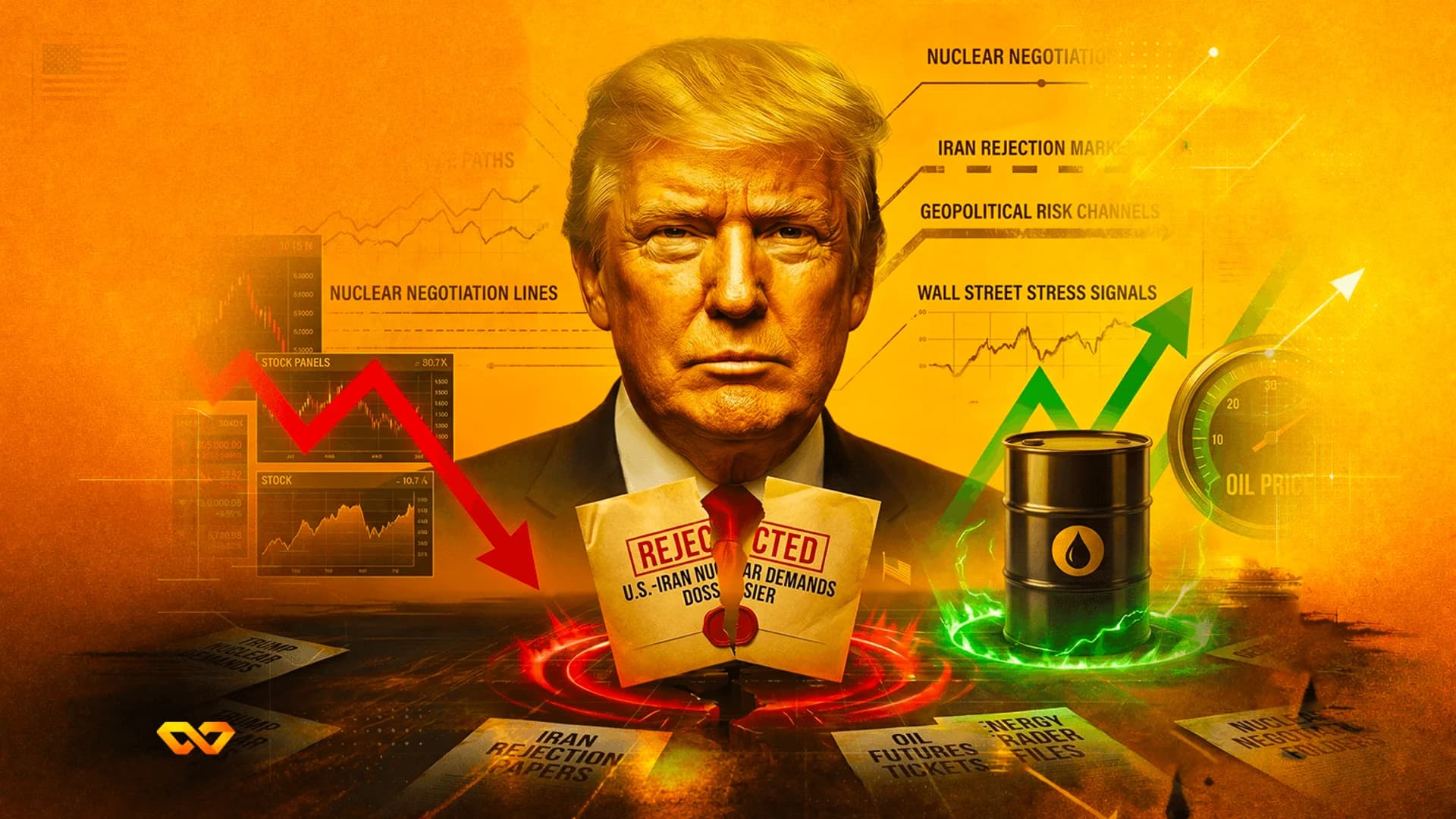
US stock futures retreated after Iran's Supreme Leader issued a directive to keep near-weapons-grade uranium stockpiles within the country, effectively rejecting a central ceasefire demand from President Trump. According to reports, S&P 500 futures fell 0.4% and Nasdaq futures slid 0.3% as the breakdown in negotiations weighed on sentiment. Meanwhile, Brent crude prices surged 2% to surpass $107 per barrel as the prospects for a diplomatic breakthrough in the Middle East dimmed significantly.
This geopolitical escalation occurs as investors weigh the sustainability of the tech rally; peer instruments such as Tesla (TSLA) and Nvidia (NVDA) are facing downward pressure in pre-market sessions per market data. Analysts note that the rejection of nuclear concessions reintroduces a significant risk premium into energy markets. Compared to previous geopolitical flare-ups earlier this year, the current impasse suggests a more prolonged period of volatility for global supply chains and energy-sensitive sectors.
Technically, the S&P 500 futures (ES=F) stood near 5,240 (at close May 20, 2026), with traders eyeing the 5,200 level as potential support if tensions escalate further. Looking ahead, the economic calendar features several Fed speeches today, including remarks from Williams and Bowman, which may provide insight into monetary policy amid rising oil-driven inflation risks. Markets are also awaiting tomorrow's US Industrial Production data to assess economic resilience against fluctuating energy costs.