
Supertankers Challenge Hormuz Blockade with 6 Million Barrels
Key Facts
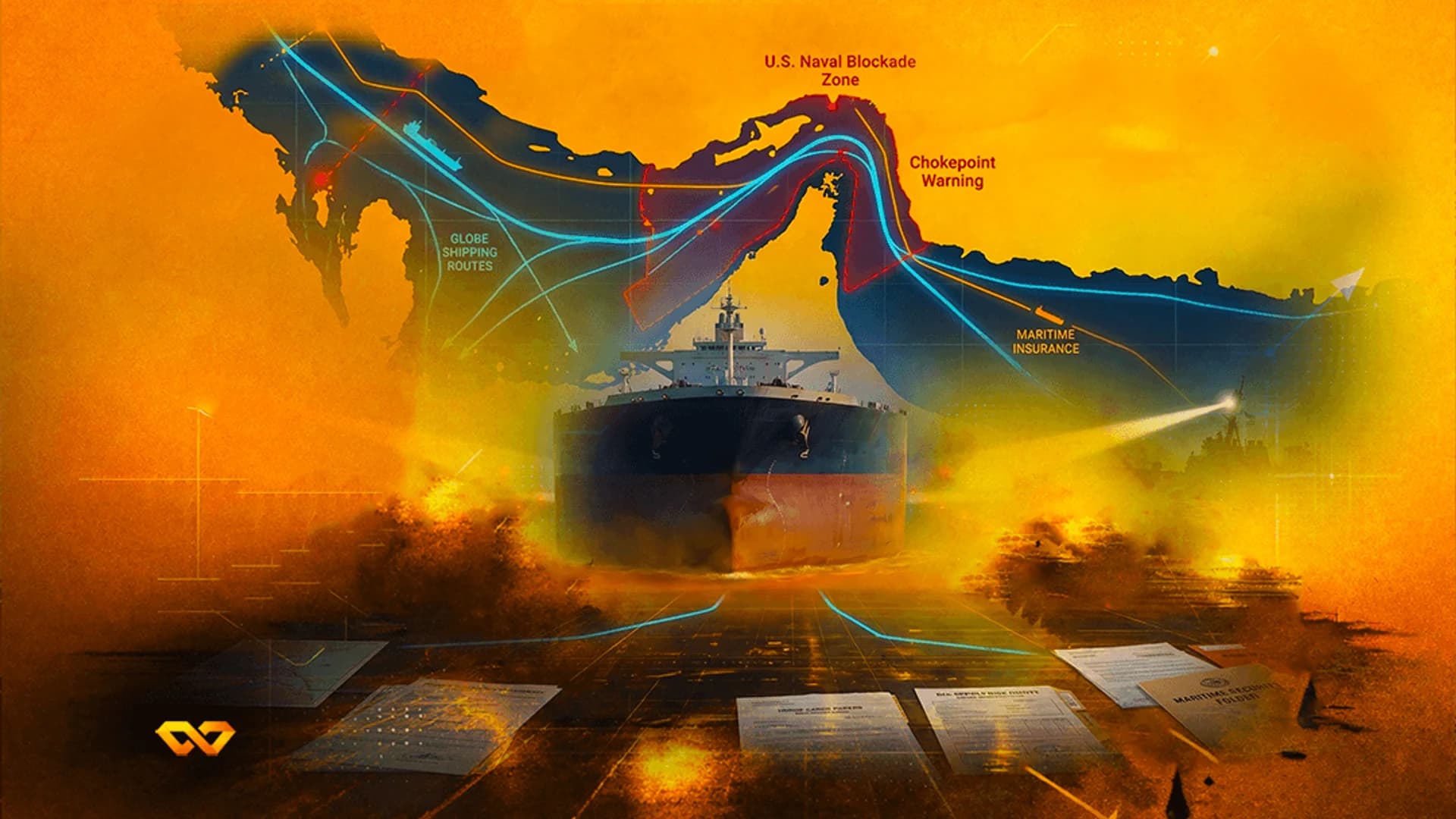
Three supertankers carrying a combined 6 million barrels of crude oil are attempting to navigate the Strait of Hormuz, targeting deliveries to China and South Korea. This maneuver follows a period of severe energy flow disruptions and a US naval blockade. According to reports, the attempt serves as a critical test for the chokepoint's viability for major Asian energy importers.
These movements occur at a sensitive time for global energy markets as traders monitor the ability of vessels to bypass geopolitical chokepoints. Historically, the Strait of Hormuz accounts for nearly 20% of global liquid petroleum consumption per US Energy Information Administration (EIA) data. Market attention is heightened following the EIA Weekly Petroleum Report on May 13, 2026, which showed a crude inventory draw of -4.306 million barrels, underscoring the necessity of stable supply lines.
Investors should watch for any military escalations that could impact oil futures prices in the coming days. Market participants are looking toward upcoming energy data releases to gauge supply-demand balances. While a successful transit could provide supply relief, the high-risk nature of the attempt amid the ongoing blockade keeps the market outlook mixed and volatile.