
Sterling Slumps as UK Inflation Cools Faster Than Expected to 2.8%
Key Facts
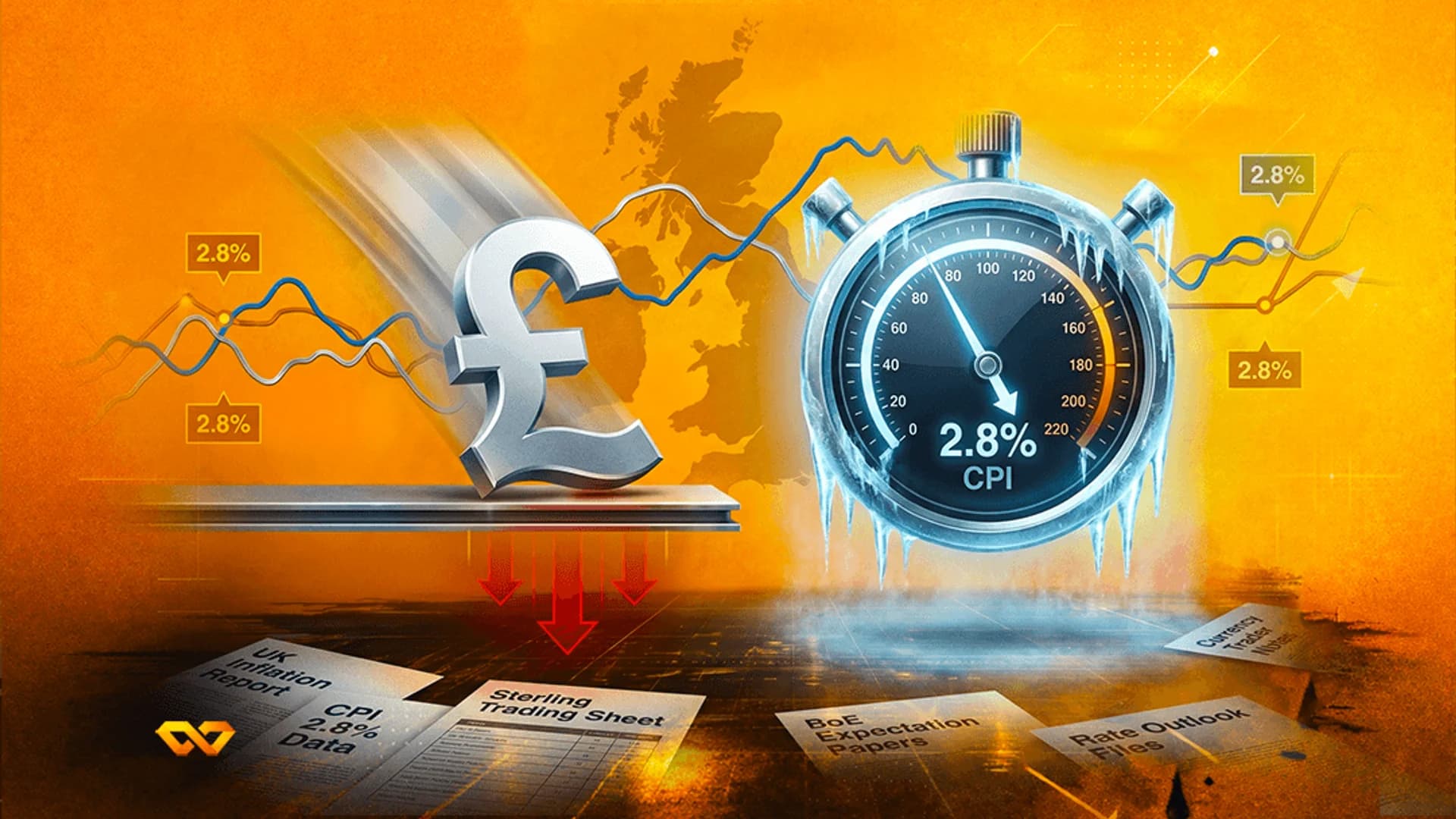
The British Pound weakened significantly against major peers, falling toward 1.3375, following the release of softer-than-expected April inflation data. According to reports, the UK headline Consumer Price Index (CPI) slowed to 2.8% year-on-year, coming in below market expectations of 3%. This downside surprise has immediately increased market bets on imminent interest rate cuts by the Bank of England.
This cooling of inflation follows data from May 14, 2026, which showed UK GDP growth at 0.6% quarter-on-quarter, per market data. Sterling faces additional pressure due to a diverging monetary outlook compared to the US, where the Producer Price Index (PPI) rose by 1.4% on May 13, 2026. This contrast in inflationary pressures suggests the BoE may pivot toward easing sooner than the Federal Reserve.
Traders should watch current Sterling levels closely following this sharp decline as the market digests the implications for BoE policy. According to the upcoming calendar, there are no high-impact UK economic releases scheduled for the next seven days, meaning GBP price action will likely be driven by the fallout from this CPI print and broader global sentiment.