
G7 Divided Over Easing Russian Oil Sanctions Amid Inflation Fears
Key Facts
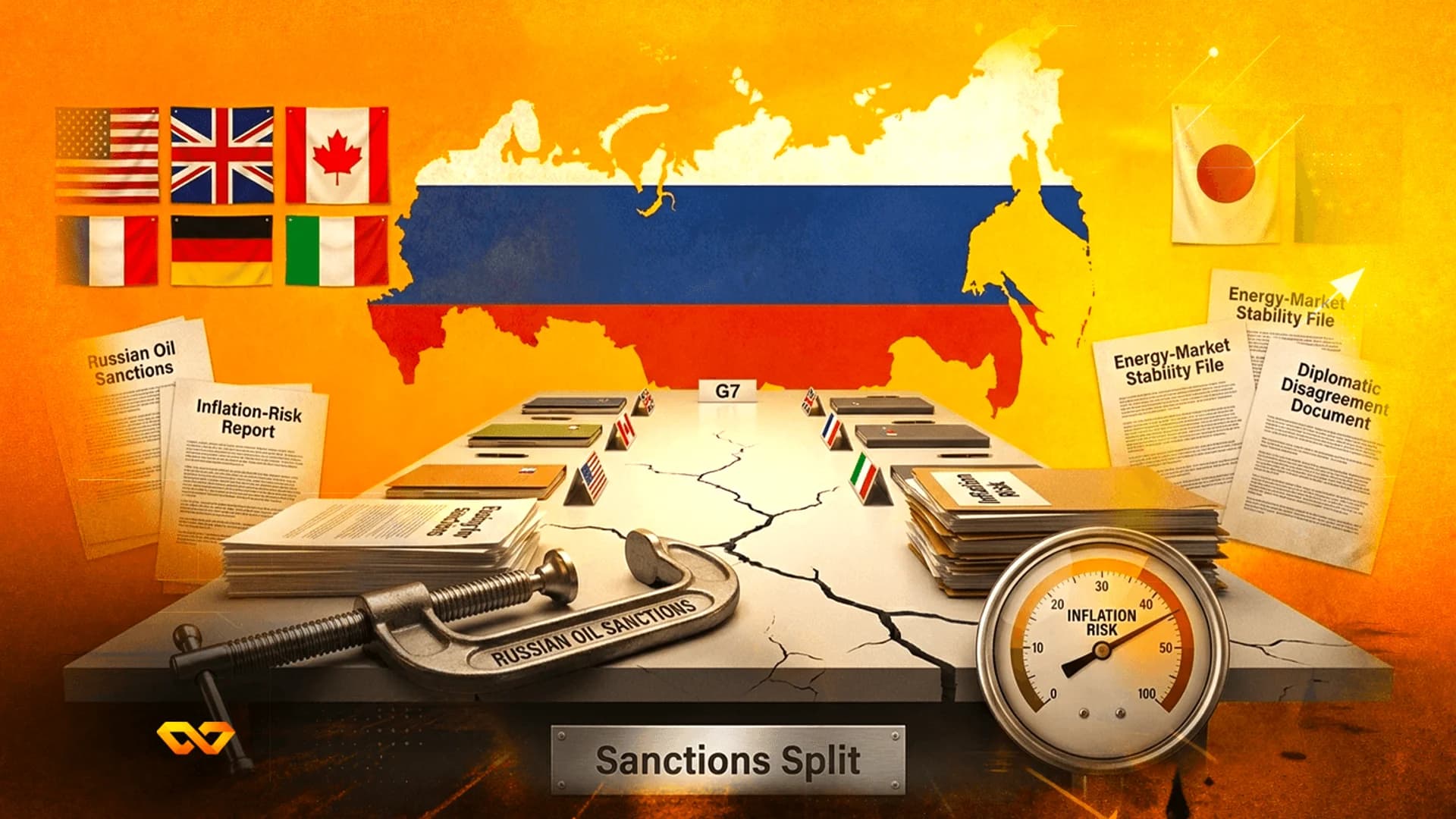
G7 nations are grappling with internal divisions following the Trump administration's decision to ease oil sanctions on Russia. According to reports, the United States and Europe are at odds over this policy shift, which complicates the group's unified economic stance. These frictions emerge as member states face persistent inflation fears linked to ongoing regional conflicts and energy market instability.
The geopolitical rift coincides with surging price pressures, as the U.S. Producer Price Index (PPI) jumped 1.4% in May, significantly exceeding the 0.5% forecast per market data on May 13, 2026. Meanwhile, Eurozone annual GDP growth slowed to 0.8% according to EL7 data, highlighting a fragile economic recovery in Europe that could be further destabilized by shifts in global energy policy and sanction regimes.
Traders should closely monitor the upcoming EIA Weekly Petroleum Report to gauge how easing sanctions might impact U.S. inventory levels and global crude prices. Additionally, the speech by ECB President Christine Lagarde on May 14, 2026, will be a critical catalyst for understanding Europe's monetary response to imported inflation. Market sentiment remains cautious as geopolitical uncertainty continues to cloud the macroeconomic outlook.