
Oil Prices Rise as Trump Threatens Iran Strikes if Negotiations Fail
Key Facts
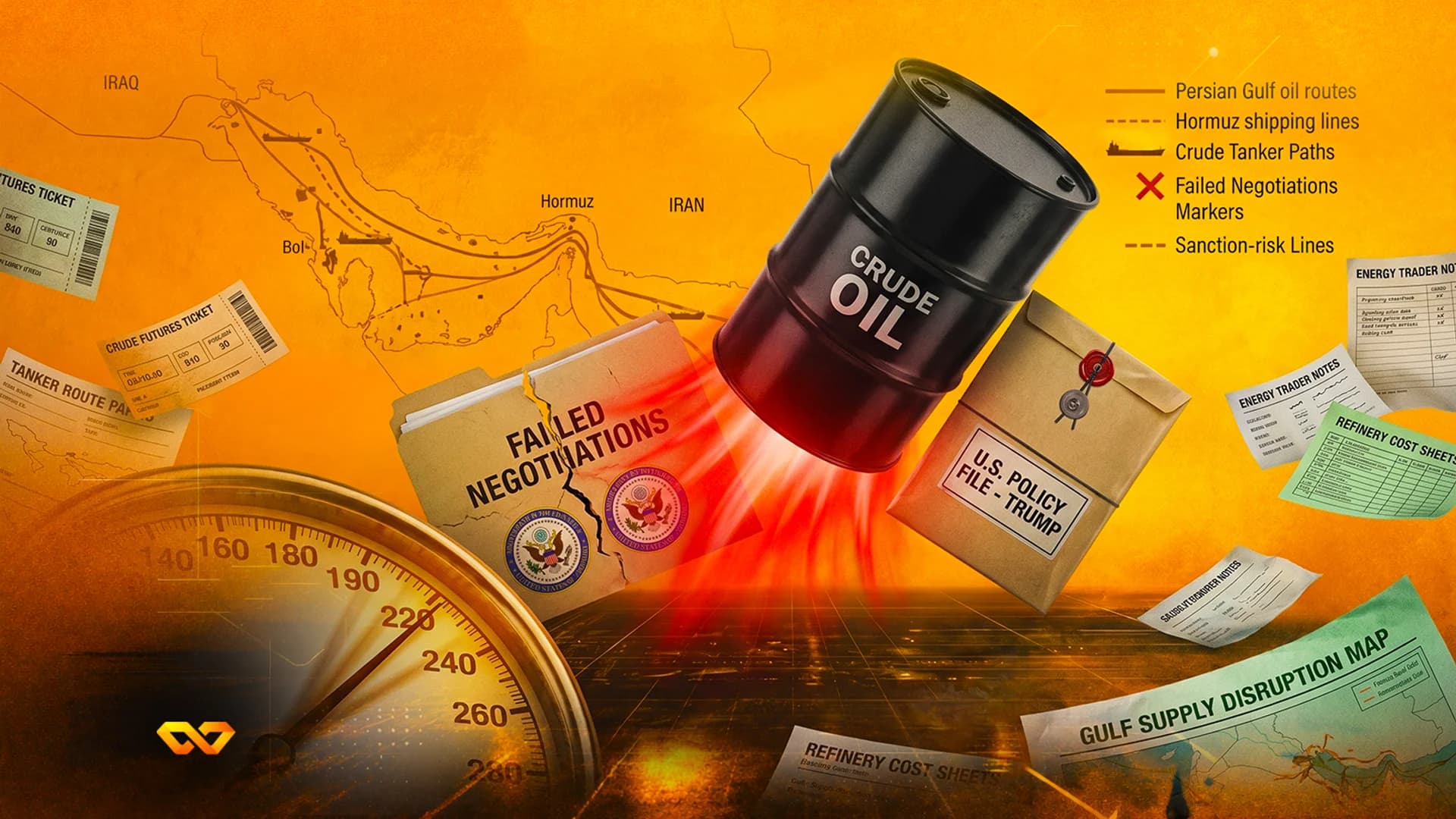
Oil prices, specifically Brent and WTI, gained ground following renewed military threats from President Trump against Iran regarding stalled negotiations. According to reports, the U.S. President stated that the United States will hit Iranian targets should the ongoing diplomatic talks fail. This escalation in rhetoric serves as a warning that the window for a diplomatic solution is closing, increasing the geopolitical risk premium in energy markets.
These tensions coincide with data from the API Crude Oil Stock Change report on May 12, 2026, which showed a drawdown of 2.188 million barrels, exceeding market forecasts of a 1.65 million barrel decline. Per market data, this tightening of U.S. inventories supports global supply concerns, especially as inflationary pressures persist; the U.S. Producer Price Index (PPI) rose 1.4% month-over-month on May 13, 2026, significantly higher than the 0.5% forecast.
Traders should watch for the EIA Weekly Petroleum Report for confirmation on inventory levels, alongside the OPEC Monthly Report scheduled for release later today, May 19, 2026. Price levels remain sensitive to sudden diplomatic developments, with investors focusing on the sustainability of the current geopolitical risk premium amid broader global economic volatility.
Latest Updates · 1
- Notable·
Update: Pressure on energy markets intensified as U.S. national average gasoline prices reached $4.53 per gallon per AAA data, with demand expected to surge as 39.1 million Americans travel for the Memorial Day holiday. Additionally, JPMorgan analysts have warned of a potential catastrophic crude shortage should the closure of the Strait of Hormuz persist into June.