
Gold and Silver Prices Decline Amid Rising Yields and Easing Geopolitical Tensions
Key Facts
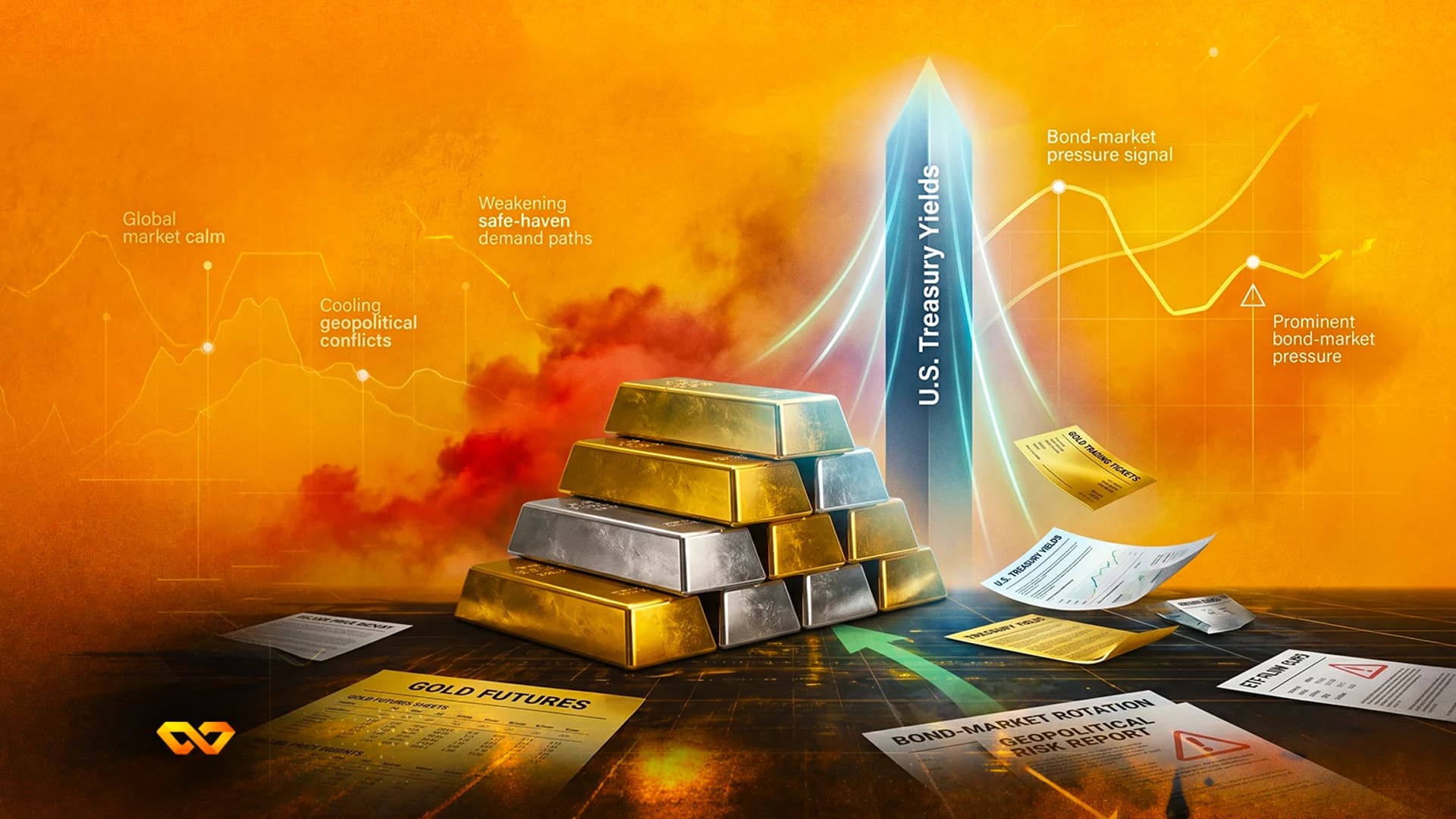
Gold prices experienced a significant decline, breaking below the key $4,500 psychological level as global interest rate hike expectations intensified. Simultaneously, silver prices faced intense selling pressure, testing the $75 support level according to analyst reports. Diplomatic discussions regarding the Strait of Hormuz have further contributed to easing geopolitical tensions, effectively capping gains in both precious metals and energy markets.
The downward trend coincides with mixed inflationary signals, as the U.S. Producer Price Index (PPI) surged by 1.4% in May, significantly exceeding the 0.5% forecast per market data. This spike in production costs reinforces expectations for sustained high interest rates, which bolsters Treasury yields and weighs on gold's appeal. Compared to previous quarters, market experts noted that the de-escalation of Middle East tensions has reduced the 'safe-haven' premium that previously supported bullion prices.
Looking ahead, traders are monitoring gold's stability below the $4,500 mark following the close on May 19, 2026. Key catalysts to watch include the upcoming EIA Weekly Petroleum Report and a series of speeches from Federal Reserve officials, including Kashkari and Logan. These events will be critical in determining the next direction for yields and the US Dollar, which remain the primary drivers for commodity price action.