
Taiwan Asserts Sovereignty After Trump Warnings on Independence
Key Facts
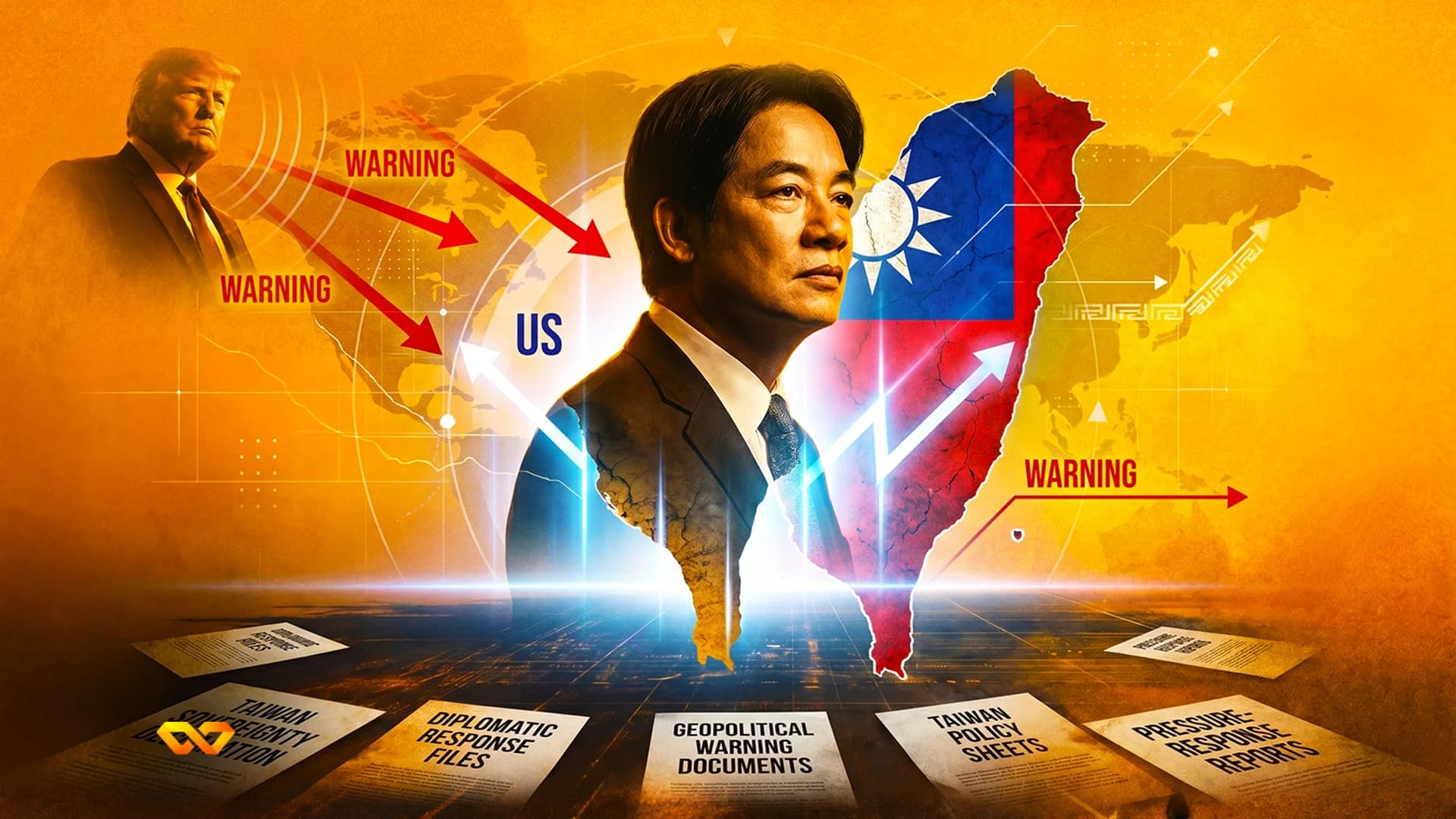
Taiwan has formally asserted its status as a sovereign nation following warnings from President Donald Trump regarding any formal moves toward independence from China. According to reports, the response aims to clarify the island's political standing while navigating heightened rhetoric. These statements highlight the ongoing tensions in the Taiwan Strait and signal potential shifts in U.S. foreign policy frameworks.
These geopolitical developments occur amid a complex economic backdrop for the region. Per market data, China reported an annual inflation rate of 1.2% on May 11, 2026, while its Producer Price Index (PPI) reached 2.8% in the same period. Analysts remain focused on how political friction might impact the global semiconductor supply chain, given Taiwan's critical role in high-tech manufacturing and regional trade stability.
Looking ahead, market participants are monitoring key catalysts including the U.S. Inflation Rate (CPI) data, which stood at 3.8% annually as of the May 12, 2026 release. Upcoming speeches from Fed officials, such as New York Fed President Williams, will be crucial for assessing how geopolitical risks influence broader market sentiment and capital flows into emerging market assets.