
Aggressive Fed Tightening Triggers Liquidity Crisis, Sending S&P 500 and Nasdaq Reeling
Key Facts
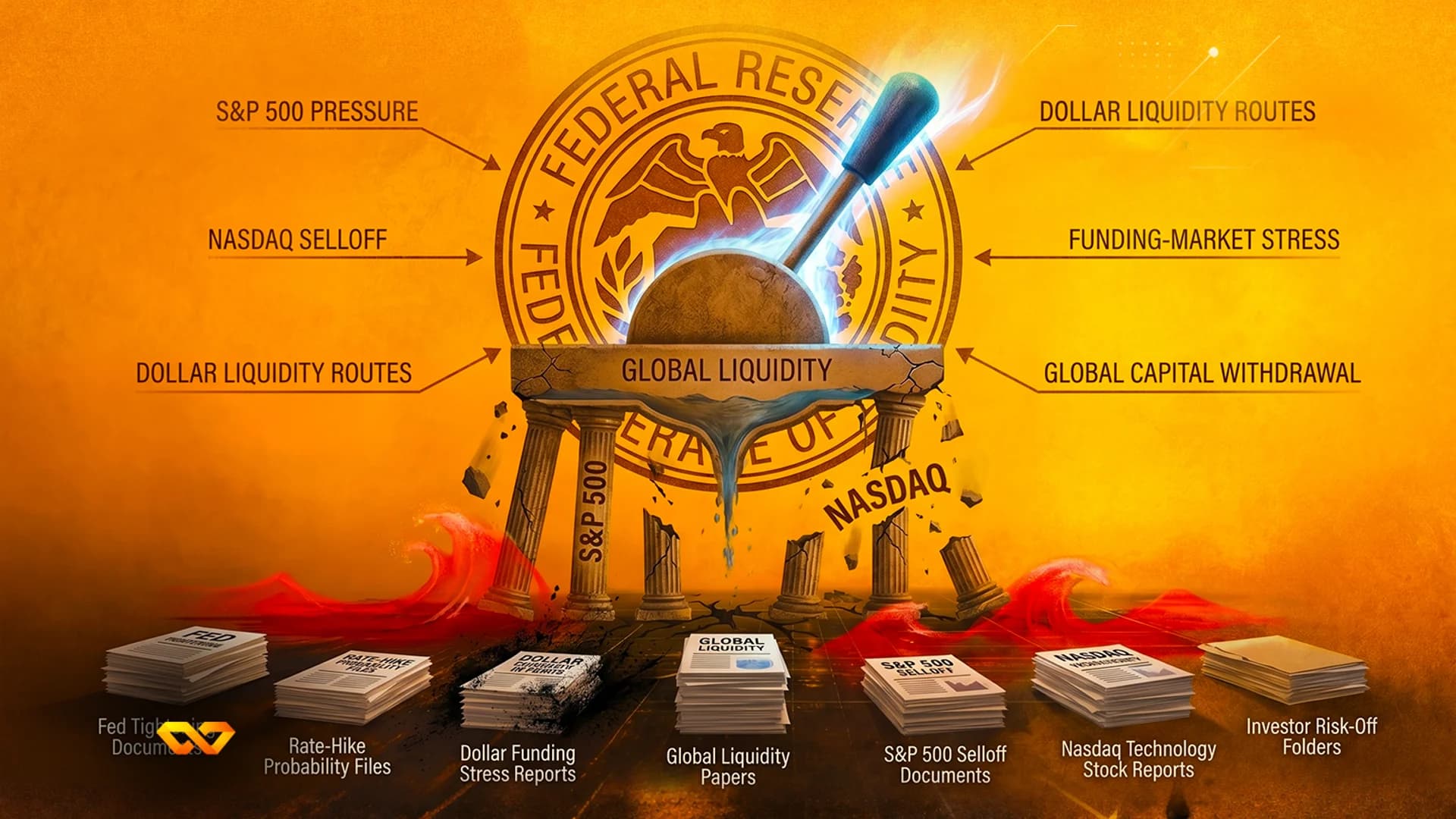
Aggressive tightening plans by the Federal Reserve have triggered a massive liquidity drain, sparking a sharp sell-off across global markets. According to reports, the S&P 500 and Nasdaq indices have experienced significant declines as the US Dollar surged to multi-year highs. These developments reflect growing fears that the Fed's hawkish stance is creating a systemic liquidity shock that outweighs previous geopolitical concerns.
This collapse in risk appetite marks a pivotal shift in market narrative, moving beyond the failed Trump-Xi summit toward direct monetary policy impact. Per market data, rising bond yields and borrowing costs are placing unprecedented pressure on the technology and consumer finance sectors compared to prior quarter performance. The US Dollar's dominance as a primary safe haven is further exacerbated by the broad retreat in precious metals and global equities, raising international financing costs.
Traders are now focused on critical support levels for the S&P 500 following its recent close, while awaiting upcoming speeches from Fed officials Cook, Daly, and Bowman for clues on the pace of liquidity withdrawal. With 1-year inflation expectations holding at 4.5% per Michigan sentiment data, markets remain on high alert for any signals from the Warsh administration that could reinforce this hawkish trajectory ahead of next week's economic catalysts.
Latest Updates · 5
- Notable·
Update: Markets are now awaiting the release of the latest Federal Reserve meeting minutes, as investors search for clear signals regarding potential interest rate hikes to counter rising inflationary pressures. This focus intensifies as sustained high energy prices threaten to keep inflation elevated for longer than previously anticipated.
- Notable·
Update: Financial markets have begun pricing in a higher probability of US interest rate hikes by the Federal Reserve in direct response to this week's worse-than-expected economic data. This shift in expectations reflects growing investor concern that tighter monetary policy may be necessary to combat the inflationary shock triggered by ongoing geopolitical tensions.
- Notable·
Update: The US Senate has officially confirmed Kevin Warsh as the Chair of the Federal Reserve, succeeding Jerome Powell. Warsh now faces immediate structural challenges in reducing the central bank's footprint amid rising federal debt levels and weakening demand for Treasury securities.
- Notable·
Update: Incoming Chair Kevin Warsh is confronting significant structural hurdles in his plan to shrink the Fed's balance sheet as the U.S. federal debt load continues to climb. Analysts suggest that the potentially diminishing luster of Treasuries could constrain the central bank's efforts to reduce its market footprint, adding a layer of complexity to the monetary policy outlook under his administration.
- Notable·
Update: Volatility has expanded across global bond markets as resurgent inflation fears prompt investors to price in potential rate hikes rather than cuts. According to reports, the Japanese bond market has emerged as a critical systemic factor, with rising yields there threatening to disrupt global capital flows and international liquidity.