
Geopolitical Tensions Rise Amid Reports of Saudi Strikes on Iran and US-China Talks
Key Facts
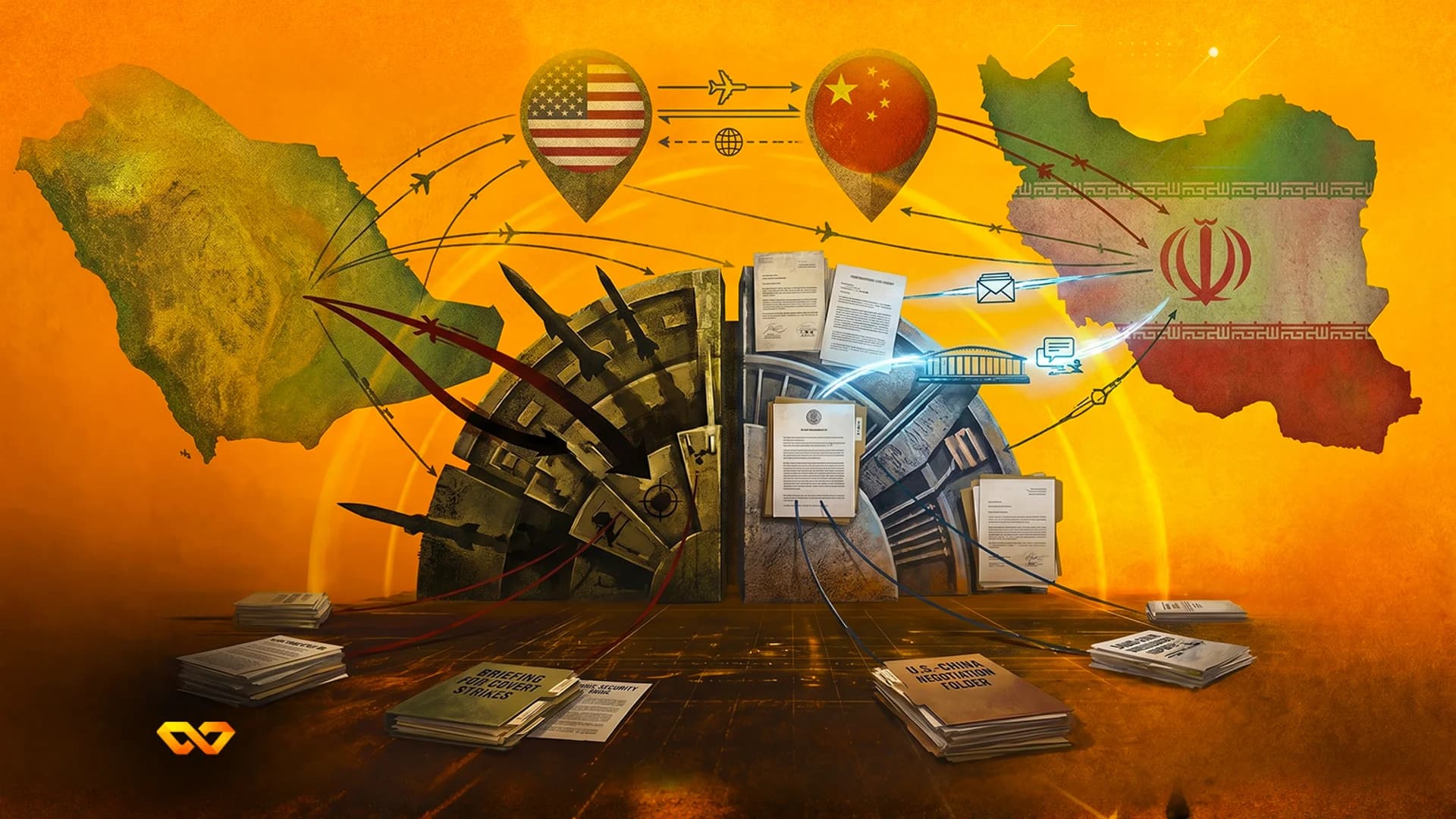
According to reports from the Wall Street Journal, Saudi Arabia has reportedly conducted secretive strikes against Iran in retaliation for attacks on energy facilities and civilian infrastructure. During high-level meetings in China, President Donald Trump and President Xi Jinping discussed the critical necessity of fully reopening the Strait of Hormuz to secure global trade. Furthermore, the White House has reportedly informed Tel Aviv that President Trump may order direct strikes inside Iran following his departure from the Chinese summit.
These geopolitical shifts occur amid significant economic data from the region's largest energy consumer. Per market data, China's Balance of Trade reported on May 9, 2026, showed a surplus of $84.82 billion, exceeding the forecasted $83.3 billion. Additionally, Chinese exports grew by 14.1% year-over-year, highlighting the complex economic backdrop as regional tensions threaten vital maritime corridors. Analysts note that any disruption to the Strait of Hormuz could severely impact global energy pricing and supply chains.
Traders should closely monitor crude oil benchmarks and safe-haven assets as the potential for military escalation remains high. Key data points to watch include China's inflation metrics, which showed a yearly rate of 1.2% as of May 11, 2026, coming in higher than the 0.8% forecast. The market remains on edge for any official policy shifts or military movements following the conclusion of the US-China summit, which will serve as a primary catalyst for market sentiment in the coming days.