
Cuba Declares Total Fuel Reserve Depletion as Grid Collapse Sparks Protests
Key Facts
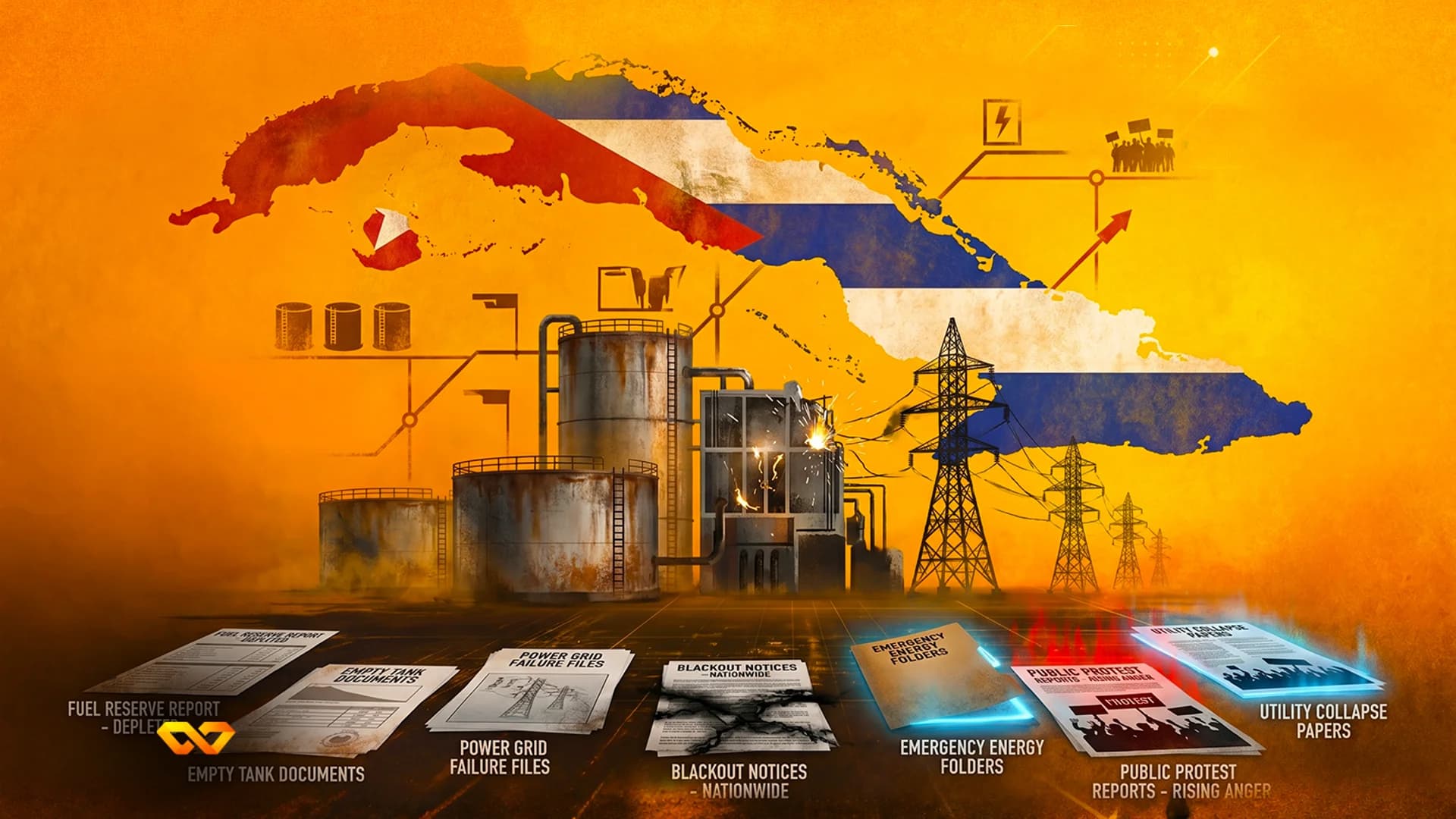
Cuba's energy minister has admitted that the island's supplies and reserves of diesel and fuel oil have been completely depleted, leading to a total systemic failure of the national power grid. According to reports, the exhaustion of fuel stocks has left the country unable to maintain basic electricity services. This collapse has triggered widespread public protests across the nation as citizens react to the acute energy crisis and the resulting blackout.
This crisis unfolds amid a complex backdrop for emerging markets, where market data showed Germany's trade balance narrowing to 14.3 billion euros (as of May 8, 2026), signaling a potential tightening in global economic support. Experts suggest that the absolute lack of strategic reserves places Cuba in a state of severe sovereign instability, exacerbated by broader industrial slowdowns, such as the 1.1% year-on-year decline in Turkish industrial production reported per market data on May 8, 2026.
Traders are monitoring the potential for regional geopolitical spillover and its impact on Caribbean energy logistics. While direct financial instruments for Cuba remain limited, market participants are looking toward Chinese trade dynamics for potential relief, following data showing a 25.3% surge in Chinese imports (as of May 9, 2026). The primary catalyst to watch will be any official announcements regarding emergency fuel shipments to stabilize the national grid.
Latest Updates · 1
- Major·
Update: The crisis has intensified as blackouts reached 22 hours per day in parts of Havana, sparking fresh overnight protests. In a significant geopolitical shift, the Trump administration has offered $100 million in direct humanitarian aid conditioned on political reforms, placing new pressure on the Cuban government amid the ongoing grid collapse.