
Vietnam Oil Firm Urges US Navy to Grant Passage for Tanker Through Blockade
Key Facts
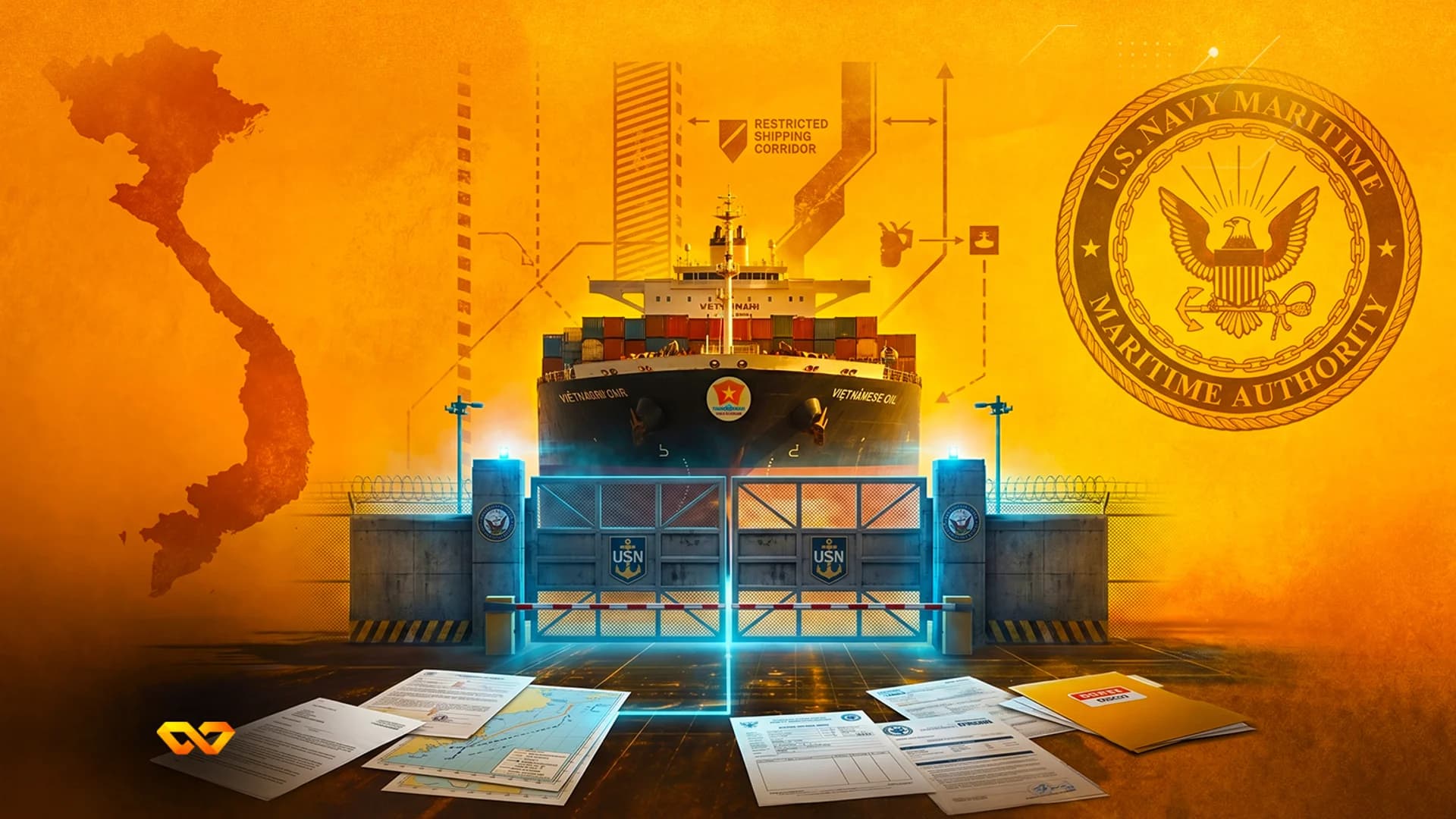
Vietnam's state-owned oil company has urged the US Navy to allow an oil tanker to pass through a blockade zone, according to reports. The tanker is currently restricted within a blockade, and the state firm is seeking formal military clearance to proceed with its shipment. This request highlights the growing maritime tensions and the direct impact of geopolitical friction on state energy operations.
These tensions coincide with broader disruptions in global energy supply chains, as markets closely monitor tanker movements in sensitive corridors. Per market data, crude oil prices have remained sensitive to geopolitical risks in Southeast Asia and the Middle East. Analysts suggest that naval involvement in commercial disputes often leads to higher maritime insurance costs, with industry reports indicating risk premiums rising between 10% to 15% in conflict-affected zones (per Reuters citations).
Traders should watch for the EIA Weekly Petroleum Report on May 6, 2026, which may reflect the impact of such disruptions on global inventories. Additionally, any official statements from the US Navy regarding blockade protocols will be a key catalyst for energy markets. If tensions persist, global oil benchmarks may find renewed support levels as concerns over immediate supply availability grow.