
The information provided on EL7.AI is for educational and informational purposes only and does not constitute financial advice.
The information provided on EL7.AI is for educational and informational purposes only and does not constitute financial advice.
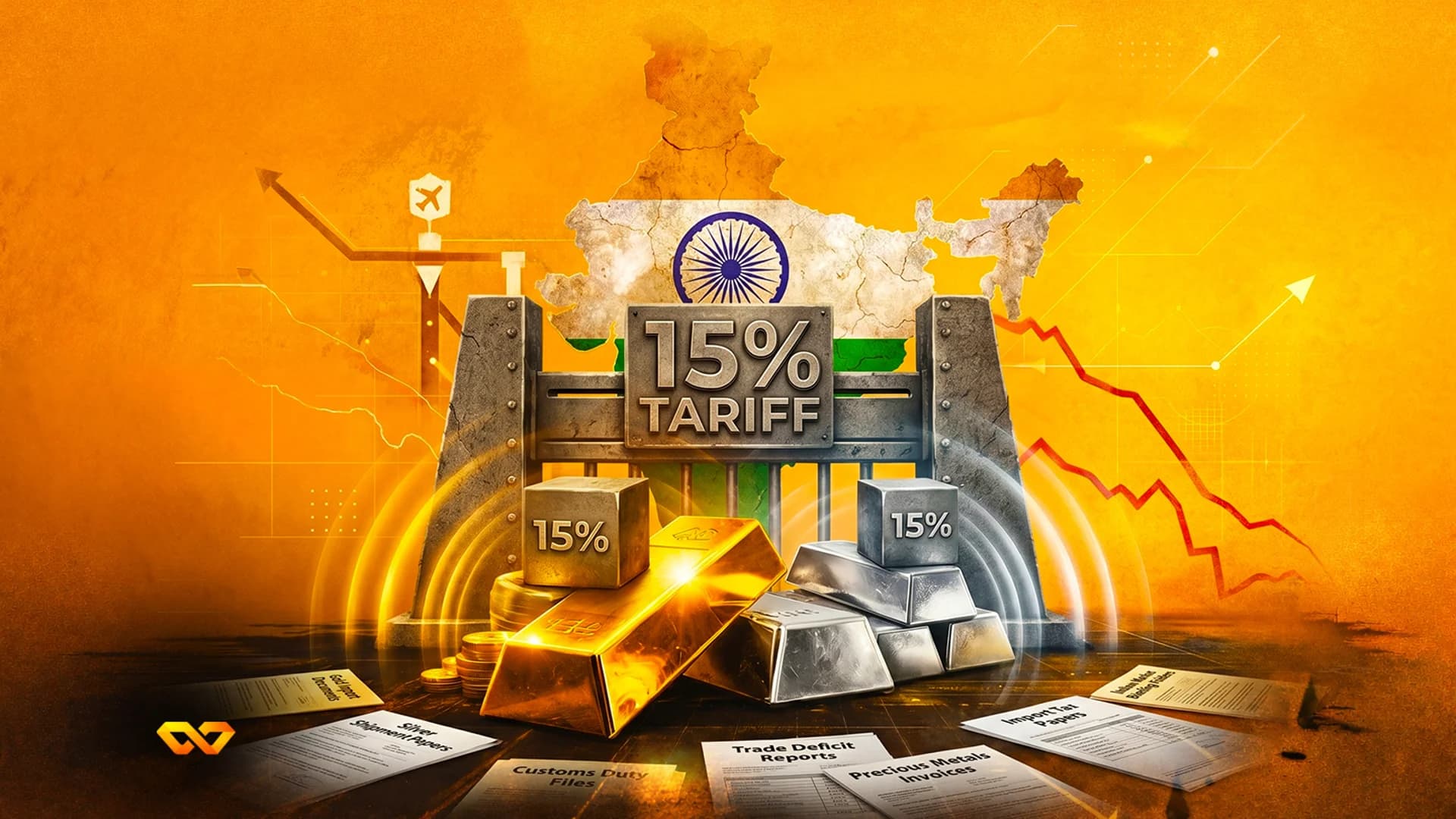
The Indian government has increased import tariffs on gold and silver to a total of 15%. According to reports, this move is primarily aimed at narrowing the country's trade deficit and curbing the demand for precious metals. India remains the world's second-largest consumer of gold, making its regulatory shifts a significant factor for global price dynamics.
Sign in to access this content
Sign InThis policy shift comes as India seeks to stabilize its trade balance by reducing the outflow of foreign exchange for non-essential imports. Per market data, similar trade pressures are being felt globally, with Australia recently reporting a trade deficit of -1.841 billion on May 7, 2026. Historically, such duty hikes in India lead to a cooling of physical bullion demand, which can exert downward pressure on international spot prices.
Investors should closely monitor gold and silver price levels following this announcement. Key catalysts ahead include speeches from Fed officials Goolsbee and Hammack on May 6, 2026, which may influence dollar strength. Additionally, the US Initial Jobless Claims data scheduled for May 7, 2026, will be a critical indicator for the macroeconomic environment surrounding non-yielding assets like gold.
Update: Some analysts suggest the tariff hike could paradoxically support demand, as a depreciating Indian rupee may drive domestic investors toward gold as an inflation hedge. While the policy aims to discourage imports, the need to preserve purchasing power could sustain physical demand in the world's second-largest gold market.