
The information provided on EL7.AI is for educational and informational purposes only and does not constitute financial advice.
The information provided on EL7.AI is for educational and informational purposes only and does not constitute financial advice.
Sign in to access this content
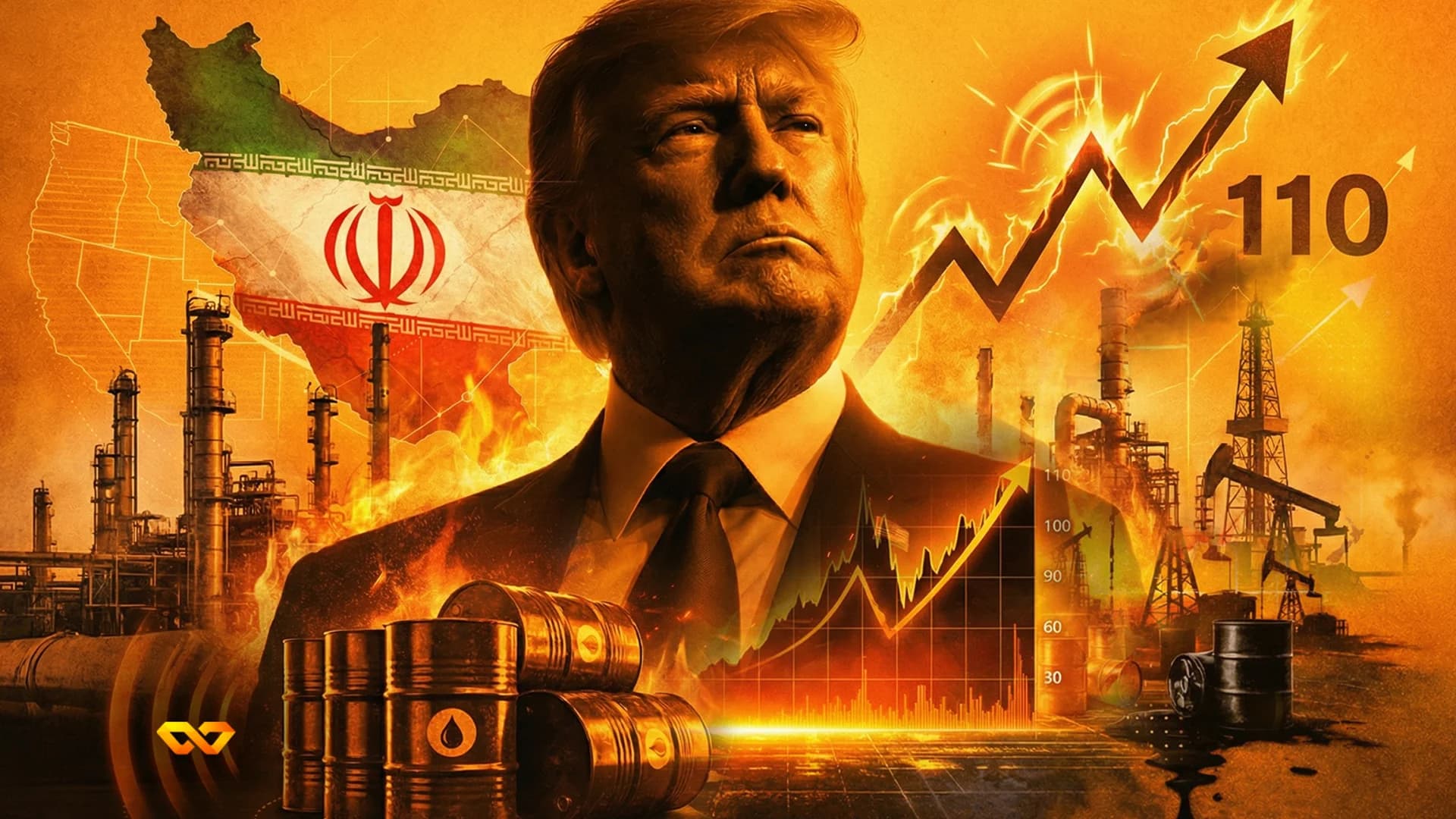
Sign InPresident Donald Trump has rejected Iran's latest diplomatic proposal to end the ongoing conflict, labeling the offer as 'totally unacceptable.' This rejection triggered an immediate reaction in global markets, with crude oil prices surging by $3 per barrel while U.S. stock index futures fell. Amidst this diplomatic breakdown, U.S. military options have emerged as an alternative to diplomacy for the specific purpose of reopening the Strait of Hormuz, which remains largely closed.
The potential shift toward military action comes as energy markets face severe tightening, with Brent crude rising over 4% per market data compared to the previous week's average. Analysts suggest that military intervention could significantly increase the geopolitical risk premium, especially as vital maritime corridors remain obstructed. Peer comparisons with energy giants like Exxon Mobil and Chevron show heightened volatility as investors weigh the risks of prolonged supply disruptions in the Gulf region.
Investors are closely watching oil prices, which stood at $82.45 (close May 10, 2026), to gauge potential breakouts above current resistance levels. Key catalysts in the upcoming calendar include the U.S. Crude Oil Inventories report on May 13, 2026, and a scheduled speech by the Fed Chair on May 15, 2026, which may address energy-driven inflationary pressures. The status of the Strait of Hormuz remains the primary pivot point for near-term market direction.
Update: US jobs data for April came in stronger than anticipated, reinforcing the narrative of higher-for-longer interest rates through 2026. This data adds a new layer of economic pressure as investors balance geopolitical supply risks against potential monetary tightening by the Federal Reserve.