
The information provided on EL7.AI is for educational and informational purposes only and does not constitute financial advice.
The information provided on EL7.AI is for educational and informational purposes only and does not constitute financial advice.
Sign in to access this content
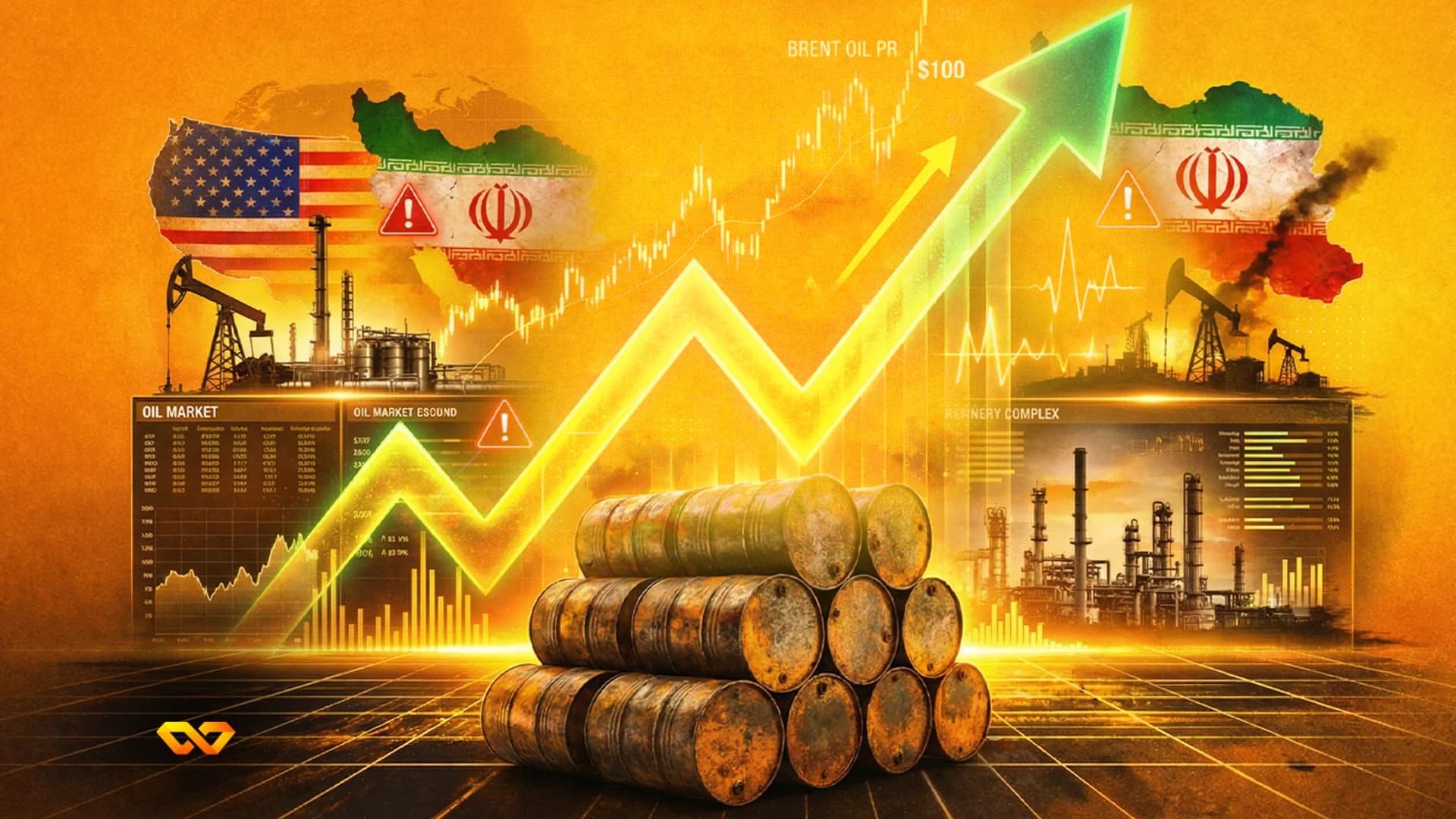
Sign InGlobal energy markets have entered a period of extreme volatility following the closure of the Strait of Hormuz after US and Israeli military strikes on February 28. This geopolitical escalation has triggered a worsening energy squeeze across Asia as regional stocks of Russian and Iranian crude oil are depleted. However, a significant plunge in China's LNG imports is now helping Asian markets adjust to the energy supply losses linked to the conflict with Iran. This shift in Chinese demand provides a crucial rebalancing mechanism even as the blockade of the vital maritime artery threatens global stability. Meanwhile, U.S. commercial inventories remain at 465.7 million barrels, offering a limited buffer of only 3% above the five-year average according to EIA data. Analysts warn that while the LNG demand drop offers some relief, the total disruption of Hormuz transit poses an unprecedented threat to global price stability. The intersection of military conflict and thinning reserves continues to challenge major economies in managing energy security.